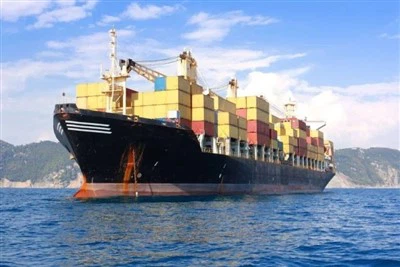
Sea freight remains the cornerstone of international trade, enabling the efficient movement of large volumes of goods across the globe. According to the UNCTAD maritime transport reports , over 80% of the world's goods are transported by sea, highlighting its critical role in global trade. For businesses involved in global supply chains, understanding how sea shipping works, its cost structure, and its advantages is essential for making smart logistics decisions. This can not only reduce cargo delays or fines caused by human error, but also avoid adding some additional hidden costs.
As a professional Freight forwarding company, Wilson is well aware of all the knowledge and processes related to Sea transportation. To help more people understand the relevant knowledge of sea transportation, this guide will introduce in depth about What is Sea Freight. We hope it will be helpful for your project.
What is Sea Shipping?
Sea shipping, often referred to as ocean freight, is the practice of transporting large quantities of goods across international waters by cargo vessels. This method is foundational to global trade, enabling businesses to move products efficiently and cost-effectively over vast distances.
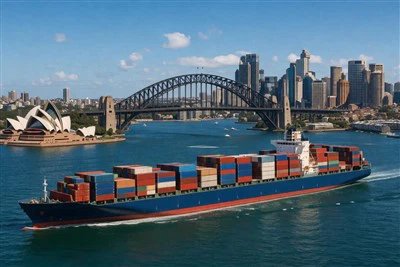
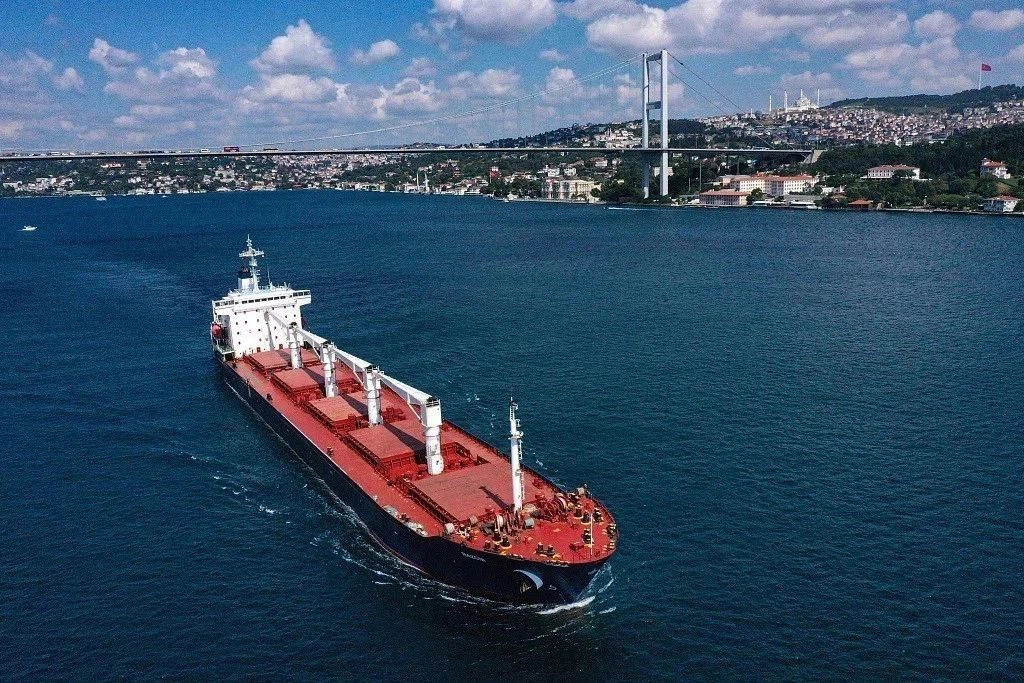
Typically, goods are loaded into standardized containers(Learn about 20ft And 40ft Sea Containers)that are secured on container ships. Alternative methods include Roll-on/Roll-off (RoRo) services for vehicles and machinery, and bulk carriers for commodities like coal, minerals, and grain that are transported loose within ship holds without containerization.
Advantages of Sea Shipping
- Cost Efficiency: It remains the most economical solution for transporting large volumes or oversized items compared to air or land freight.
- Versatility: Sea shipping can handle a wide array of cargo types, including oversized, hazardous, and temperature-sensitive goods (with the aid of specialized containers).
- Environmental Benefits: Shipping by sea produces significantly lower carbon emissions per ton-kilometer compared to air transport, supporting sustainability goals.
- Fewer Cargo Restrictions: Unlike air freight, which imposes strict regulations on hazardous or bulky items, sea shipping allows the transport of a wider range of goods, provided proper handling and documentation are ensured.
What Are the Types of Sea Shipping?
Full Container Load (FCL)
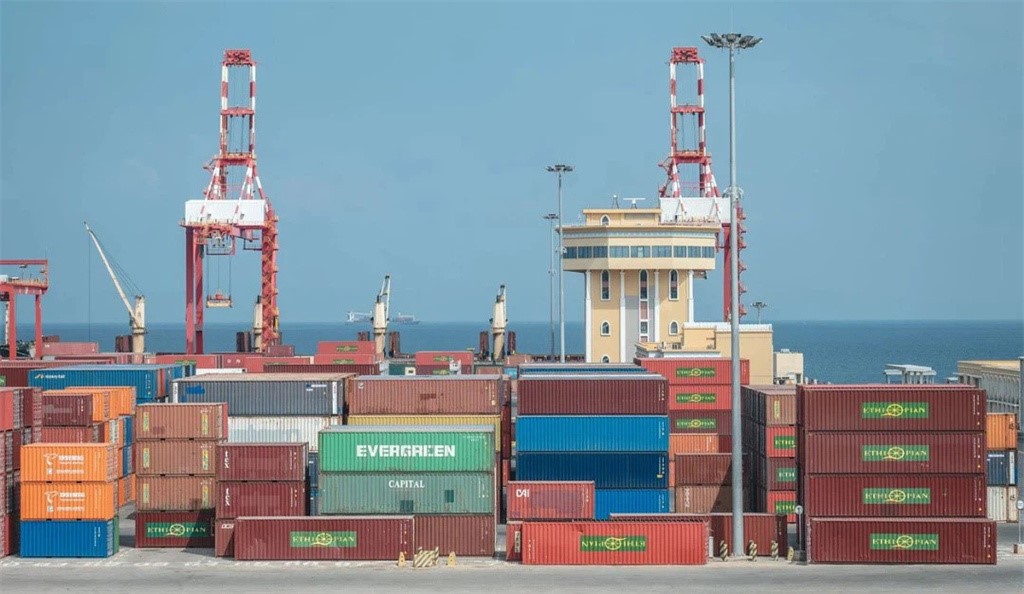
FCL involves a shipper reserving an entire container for their exclusive use. This method is ideal for large-volume shipments or goods requiring dedicated space, offering greater cargo security and simplified handling during transit.
Less than Container Load(LCL)
For smaller consignments that do not require a full container, LCL services allow multiple shipments from different shippers to share space within one container. While cost-effective for limited volumes, LCL may introduce higher handling risks and slightly longer processing times due to consolidation and deconsolidation processes. ( Learn about the difference between FCL and LCL )
Roll-on/Roll-off (RoRo) Shipping
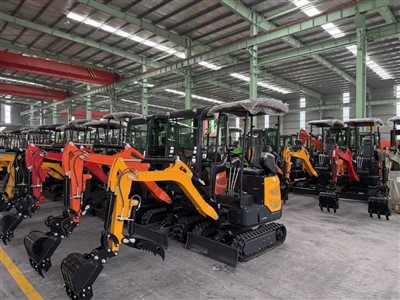
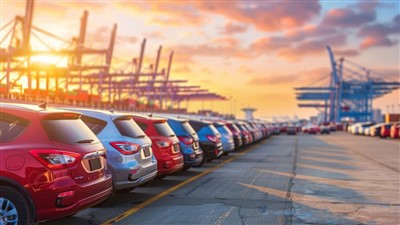
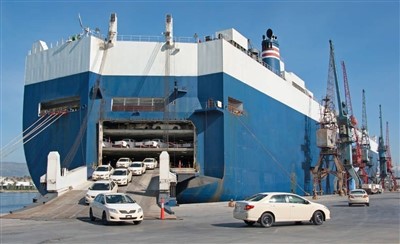
RoRo services are specifically designed for wheeled cargo such as cars, trucks, and heavy machinery. Vehicles are driven directly onto specialized vessels and secured for ocean transit, minimizing the need for disassembly or complex loading operations.
Bulk Cargo Shipping
Bulk shipping caters to loose commodities like ores, coal, cement, or grains. These goods are transported without packaging, filling the ship's holds directly. Bulk carriers are uniquely engineered to accommodate such materials efficiently, but require specialized loading and unloading infrastructure.
Common Types of Containers
- Standard Container (20GP/40GP): General-purpose containers for most dry cargo.
- High Cube Container (40HQ): Offers additional height, suitable for voluminous goods.
- Open Top Container: Designed for oversized cargo that cannot be easily loaded through standard doors.
- Flat Rack Container: Ideal for heavy, oversized machinery or project cargo that needs open sides.
- Reefer Container: Refrigerated units used for temperature-sensitive cargo such as food, pharmaceuticals, or chemicals.
(Learn more about Container Trade )

How the Sea Freight Process Works
Basic Steps
The sea freight process , while straightforward in concept, involves multiple critical stages:
- Booking: The shipper or freight forwarder arranges space with a carrier.
- Documentation Preparation: Export-related documents, such as the commercial invoice, packing list, and shipping instructions, are compiled.
- Cargo Loading: Goods are packed and either delivered to a container yard or picked up for consolidation.
- Export Customs Clearance: The shipment undergoes regulatory checks and formalities before departure.
- Sea Transport: Cargo is loaded onto the vessel and transported across international waters.
- Import Customs Clearance: Upon arrival, shipments are inspected and cleared at the destination port.
- Final Delivery: Cargo is collected or delivered to the consignee's warehouse or specified address.
Key Stakeholders
- Seller/Shipper: The party preparing and exporting the goods.
- Freight Forwarder: Logistics specialist coordinating the shipment from origin to destination.
- Carrier: The shipping line responsible for ocean transportation.
- Customs Authorities: Government agencies overseeing legal compliance at borders.
- Buyer/Consignee: The recipient who takes ownership of the goods upon arrival.
Each player's precise role can vary depending on contractual Incoterms, which define responsibilities and risk transfers along the shipment journey.

Key Documents in Sea Shipping
Bill of Lading(B/L)
The Bill of Lading serves as the most crucial document in sea freight, acting simultaneously as:
- A receipt confirming cargo shipment,
- A document of title representing ownership,
- A transport contract outlining carrier obligations.
Variations such as the Original Bill of Lading and Sea Waybill cater to different operational needs. Original B/Ls are typically negotiable instruments required for cargo release, while Sea Waybills facilitate faster, paperless deliveries.
Commercial Invoice
The commercial invoice details the transaction value of the shipped goods, essential for customs valuation and taxation purposes.
Packing List
This document lists the contents of the shipment, specifying item quantities, dimensions, weights, and packaging methods. It ensures proper cargo handling and supports customs inspections.
Significance of the Bill of Lading
- Enables the lawful receipt and release of goods.
- Transfers cargo ownership rights during commercial transactions.
- Forms part of the documentation required for Letter of Credit (L/C) payments under international trade agreements.

How Are Sea Freight Costs Calculated?
Understanding how sea freight costs are structured is essential for accurate budgeting and cost control in international shipping. Freight charges are not determined by a single factor but are composed of various elements, some of which can fluctuate based on market conditions.
Main Components of Sea Freight Costs
|
Cost Component |
Description |
|
Basic Freight Rate |
Core transportation charge based on cargo weight or volume, whichever is greater |
|
Terminal Handling Charges (THC) |
Fees for loading and unloading containers at ports |
|
Fuel Surcharges (BAF) |
Adjustments reflecting global fuel price fluctuations |
|
Peak Season Surcharges (PSS) |
Additional costs during high-demand periods such as pre-holiday seasons |
|
Demurrage Charges |
Fees for containers overstaying at the port beyond free time allowances |
|
Detention Charges |
Costs for delayed return of empty containers after pickup |
|
Overweight Charges |
Penalties for exceeding standard container weight limits |
|
Special Handling Fees |
Extra charges for special cargo like refrigerated goods or hazardous materials |
Key Factors Influencing Sea Freight Pricing
- Shipping Route and Distance: Longer voyages naturally attract higher freight rates.
- Seasonal Demand: Rates typically surge during peak periods like the lead-up to Chinese New Year or major global holidays.
- Currency Exchange Rates: Freight invoices may fluctuate based on the prevailing foreign exchange market.
- Fuel Prices: Volatile bunker fuel costs can directly impact surcharges.
- Supply and Demand Imbalances: A shortage of containers or space often drives spot rate increases.
Pro Tip: Always request a detailed quotation from your freight forwarder that breaks down each component separately. Transparent pricing enables better cost forecasting and avoids surprises during shipment execution. (Learn more about how to reduce your ocean freight costs )

Common Terms and Language Used in Sea Shipping
Understanding the Incoterms rules by ICC is crucial for accurately defining buyer and seller responsibilities in sea shipping transactions. Accurate communication prevents costly misunderstandings and ensures smooth transactions.
CIF (Cost, Insurance, and Freight)
Under CIF terms, the seller assumes responsibility for the cost of transporting the goods to the destination port, including insurance coverage during the transit. Risk, however, transfers to the buyer once the goods are loaded onto the ship.
FOB (Free On Board)
FOB terms specify that the seller's responsibility ends once the goods are loaded onto the shipping vessel at the port of origin. The buyer assumes all risks and costs from that point onward, including freight, insurance, and import duties.
CY-CY (Container Yard to Container Yard)
A CY-CY shipment denotes the movement of containers from the departure terminal's container yard to the destination terminal's container yard. This model emphasizes the use of full container services, ensuring minimal handling between departure and arrival points.
Demurrage
Demurrage charges accrue when a container remains at the port beyond the agreed free storage period. These fees can escalate quickly and are typically borne by the party responsible for cargo pickup.
Detention
Detention fees apply when the container has been collected from the port but is not returned within the allowed timeframe. These costs reflect the carrier's opportunity loss due to the delayed return of the container.
Importance of Understanding These Terms
- Preventing misinterpretations that can lead to operational disruptions.
- Clearly defining responsibilities and financial obligations.
- Minimizing risks associated with ambiguous contractual language.
For any business involved in international trade, mastering these basic concepts is not optional-it is a fundamental requirement for ensuring smooth, legally sound shipping operations. Learn more about shipping terms

Sea Freight vs. Air Freight : Which Should You Choose?
Choosing between sea freight and air freight involves a trade-off between cost, speed, cargo suitability, and environmental considerations. Making the right decision depends on the specific needs of your shipment and your operational priorities.
Comparison of Sea Freight and Air Freight
|
Criteria |
Sea Freight |
Air Freight |
|
Cost |
Lower; ideal for bulk shipments |
Higher; justified for urgent or high-value cargo |
|
Speed |
Slower (typically 20–60 days depending on route) |
Faster (1–7 days depending on service) |
|
Suitable Cargo |
Heavy, bulky, non-urgent goods |
Small, lightweight, time-sensitive goods |
|
Environmental Impact |
Lower emissions per ton-kilometer |
Higher carbon footprint |
|
Risk of Delay or Damage |
Moderate to high (weather, port congestion) |
Lower, but higher financial exposure in case of mishandling |
When to Choose Sea Freight
- Shipping large quantities of goods where cost-saving outweighs urgency.
- Moving non-perishable, heavy, or bulky commodities.
- When minimizing environmental impact is a corporate priority.
When to Choose Air Freight
- Transporting perishable, high-value, or urgently needed products.
- Meeting tight production or retail deadlines.
- Shipping small volumes where time-to-market is critical.
Conclusion for Modal Choice
Each transportation mode serves a distinct purpose. Businesses should evaluate not just direct freight costs but also the broader implications, such as inventory holding costs, delivery commitments, and customer expectations. A holistic logistics strategy often combines both modes, depending on cargo profiles and market demands.

Choosing the Right Partners: Freight Forwarders and Container Suppliers
Selecting reliable partners is one of the most critical steps in executing a successful sea freight shipment.
Criteria for Choosing a Reliable Freight Forwarder
- Licensing and Accreditation: Ensure they hold valid international freight forwarding licenses and certifications (e.g., FIATA, NVOCC registration).
- Experience and Expertise: Look for forwarders with proven experience in your target markets and industry sectors.
- Tracking and Communication Systems: A robust digital tracking system and proactive communication channels are indispensable for real-time visibility and rapid issue resolution.
- Customs Expertise: A deep understanding of destination country regulations minimizes the risk of delays and penalties during import clearance.
Selecting High-Quality Container Suppliers
- Compliance with International Standards: Containers should meet ISO standards for safety, durability, and handling compatibility.
- Container Condition: Always inspect for structural integrity, ensuring no rust, punctures, or faulty door mechanisms.
- Flexible Leasing Terms: Opt for suppliers offering reasonable free-time periods for container usage, helping to reduce demurrage and detention risks.
Forging strong relationships with experienced logistics partners not only safeguards your cargo but also enhances operational resilience in an unpredictable global shipping environment.
Common Challenges in Sea Shipping
Despite its advantages, sea shipping is fraught with potential challenges that require proactive management.
Major Causes of Delays
- Port Congestion: High cargo volumes or labor shortages can lead to vessel queueing and extended port stays.
- Severe Weather: Storms, hurricanes, and typhoons can disrupt sailing schedules and reroute vessels.
- Customs Clearance Issues: Incomplete or inaccurate documentation often triggers delays at export or import points.
- Shipping Schedule Instability: Changes in vessel rotations, skipped ports, or blank sailings (cancelled sailings) can impact delivery timelines.
Strategies to Mitigate Risks
- Early Planning: Book shipments well in advance, particularly during peak seasons.
- Accurate Documentation: Ensure all paperwork is prepared meticulously to avoid customs holds.
- Carrier Selection: Work with carriers known for reliability and consistent schedule adherence.
- Cargo Insurance: Protect against financial losses from unforeseen incidents, including damage, loss, or extensive delays.
A proactive logistics strategy and strong communication with your freight partners are essential to navigating these common challenges effectively.
Conclusion
Among the numerous cross-border transportation options, sea transportation remains the largest mode of transportation for global trade. Import and export enterprises need to understand the relevant knowledge about sea transportation, which can help you better carry out your cross-border business. Choosing a professional freight service company is equally important. This is related to your freight costs and logistics timeliness. A professional freight forwarding company can save you money and ensure a smooth freight process for you. This is why you need to choose Wilson to provide you with freight forwarding services.
About the Author
Zhejiang Wilson Supply Chain Management Co., Ltd. Established in 2011, its headquarters is located in Ningbo, China, and it has branches in Shanghai, Shenzhen and Hong Kong. As a professional international freight forwarding and supply chain management company, Wilson has, after more than a decade of steady development, established a global logistics network and has a professional team composed of 26 experienced logistics experts. The company's annual container processing volume reaches 56,000 standard containers (20-foot standard containers), with an annual business turnover of 150 million yuan, and it continues to grow at a stable annual growth rate of 10%.
Our core services cover sea transportation, air transportation, land transportation, warehousing, customs declaration and supply chain management. We serve industries such as chemicals, automobiles, food, energy and container trade. Please contact us now to get a cheap quote for sea freight services. ( lucy@ylls.net )