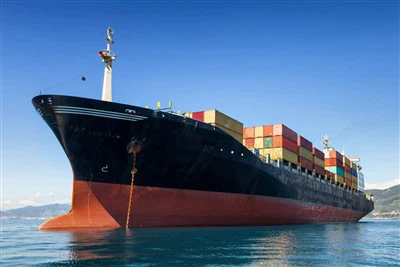
Sea freight from China to East Africa is one of the most economical solutions for transporting large, heavy, or regularly purchased cargo. Major East African gateways such as Mombasa, Dar es Salaam, and Djibouti connect Chinese exporters with Kenya, Tanzania, Ethiopia, Uganda, Rwanda, Burundi, Zambia, South Sudan, and other regional markets.
Depending on the origin port, destination, carrier, and routing, ocean freight from China to East Africa generally takes around 22 to 35 days for regular port-to-port services. Routes requiring transshipment may take approximately 35 to 45 days. Shipping costs vary according to cargo volume, container type, season, surcharges, and destination handling requirements.
Founded in 2011, Zhejiang Wilson Supply Chain Management Co., Ltd. provides international freight forwarding and supply chain solutions from its headquarters in Ningbo and branches in Shanghai, Shenzhen, and Hong Kong. Our team handles approximately 56,000 TEUs annually and has strong experience in Africa-bound container shipping, LCL consolidation, project cargo, vehicles, chemicals, dangerous goods, and special-container transportation.
Send us your cargo name, weight, volume, supplier location, and destination in East Africa. Our team will compare FCL, LCL, carrier, and routing options and prepare a customized shipping proposal.

Get Latest Ocean Freight Rates Now
How Much Does Sea Freight From China To East Africa Cost?
The cost of sea freight from China to East Africa depends on more than the basic ocean freight rate. Origin handling, carrier surcharges, destination port charges, customs clearance, taxes, and inland delivery may all affect the final landed cost.
The following rates are indicative estimates for general cargo. They are intended for preliminary planning only and must be reconfirmed before booking.
Estimated Sea Freight Rates From China to East Africa
| Destination | LCL Rate | 20GP FCL | 40GP/40HQ FCL | Main Markets Served |
|---|---|---|---|---|
| Mombasa, Kenya | USD 120–180/CBM | USD 3,800–4,700 | USD 5,100–6,300 | Kenya, Uganda, Rwanda, South Sudan |
| Dar es Salaam, Tanzania | USD 110–170/CBM | USD 3,000–4,200 | USD 4,300–5,600 | Tanzania, Zambia, Burundi, parts of the DRC |
| Djibouti | USD 120–180/CBM | USD 3,200–4,500 | USD 4,500–5,900 | Djibouti, Ethiopia, Horn of Africa markets |
| Other East African destinations | Customized quotation | Customized quotation | Customized quotation | Subject to routing and inland transport requirements |
The Mombasa estimates are based partly on the reference material supplied for the China–Kenya shipping corridor, which reported higher 2026 rates for FCL and LCL services. Rates for other destinations are broader planning estimates created by comparing the three supplied reference articles.
Actual rates may change according to vessel space, fuel costs, carrier adjustments, port congestion, geopolitical conditions, and booking dates.
How Long Does Sea Shipping From China To East Africa Take?
Sea freight transit time depends on the loading port, destination port, carrier, sailing schedule, and whether the shipment moves through a direct or transshipment service.
Estimated Port-to-Port Transit Times
| Route | FCL Transit Time | LCL Transit Time | Service Type |
|---|---|---|---|
| Shanghai or Ningbo to Mombasa | 22–30 days | 30–38 days | Regular or direct service |
| Shenzhen or Guangzhou to Dar es Salaam | 28–35 days | 35–42 days | Regular or transshipment service |
| Major Chinese ports to Djibouti | 25–35 days | 32–42 days | Regular or transshipment service |
| Less-frequent East African destinations | 35–45 days | 40–50 days | Transshipment or multimodal service |
These are estimated port-to-port times. They do not include factory pickup, export customs procedures, destination clearance, inland transportation, or final delivery.
For shipments to landlocked countries such as Uganda, Rwanda, Ethiopia, Burundi, Zambia, or South Sudan, additional time is required after arrival at the seaport.
Direct Versus Transshipment Shipping
Direct or regular services to major East African ports usually provide the shortest transit time. They are suitable for customers who value faster delivery and more predictable schedules.
Transshipment services move cargo through an intermediate hub before reaching the final port. They may be necessary for smaller destinations or when direct capacity is unavailable. Total transit time may extend to approximately 35–45 days.
Why LCL Takes Longer Than FCL
FCL cargo is loaded into a dedicated container and can proceed through the shipping process without waiting for other customers' goods.
LCL cargo must normally go through:
- Consolidation at the origin warehouse
- Loading with other shipments
- Ocean transportation
- Deconsolidation at the destination warehouse
- Individual cargo release
These additional handling stages explain why LCL generally requires more time than FCL.
Factors That May Delay Sea Freight
Possible causes of delay include:
- Port congestion
- Severe weather
- Vessel schedule changes
- Transshipment connection delays
- Customs inspections
- Incorrect or incomplete documents
- LCL consolidation delays
- Peak-season capacity shortages
- Cargo classification issues
- Destination port storage or release problems
- Inland road and border conditions
Wilson provides shipment status updates and can help coordinate corrective action when schedules change or customs authorities request additional information.

Sea Freight Services We Provide
Wilson provides standard container shipping, special-container solutions, and supply chain support for cargo moving from China to East Africa.
FCL Shipping
FCL is suitable when one customer uses an entire container. It is generally recommended for:
- Large-volume shipments
- Heavy cargo
- High-value goods
- Machinery
- Construction materials
- Automotive cargo
- Products that should not be mixed with other shipments
Available equipment may include 20GP, 40GP, and 40HQ containers.
LCL Consolidation
LCL allows several customers to share one container. You pay for the space used by your cargo rather than the full container.
LCL is commonly suitable for shipments of approximately 1–15 CBM, although the most economical option depends on cargo dimensions, density, destination charges, and handling requirements.
Wilson can also consolidate products purchased from multiple Chinese suppliers.
Door-to-Door Shipping
Our door-to-door solution can include:
- Supplier pickup in China
- Warehousing and consolidation
- Export customs declaration
- Ocean freight
- Destination customs coordination
- Port handling
- Inland transportation
- Delivery to the consignee's address
The exact scope depends on the destination country, local import rules, Incoterm, and importer qualifications.
Door-to-Port and Port-to-Port Shipping
Customers who manage their own destination clearance may select port-to-port or door-to-port services.
Port-to-port service covers transportation between the loading and destination ports.
Door-to-port service adds pickup and origin handling in China while the consignee manages customs clearance and local delivery.
Open-Top Container Shipping
Open-top containers are used for cargo that cannot be loaded through standard container doors, such as tall machinery, industrial equipment, and irregularly shaped products.
Flat-Rack Container Shipping
Flat-rack containers are suitable for oversized cargo that exceeds the width or height of a standard container. Cargo securing, lifting, and transport permits must be planned carefully.
Reefer Container Shipping
Reefer containers are available for temperature-sensitive cargo. Temperature settings, ventilation, loading procedures, and power requirements must be confirmed before booking.
Vehicle Shipping
Wilson can arrange transportation for automobiles, commercial vehicles, vehicle parts, and related equipment. Service options depend on cargo dimensions, loading method, destination regulations, and carrier acceptance.
Oversized and Project Cargo
We provide logistics planning for:
- Industrial machinery
- Production lines
- Construction equipment
- Oversized components
- Heavy vehicles
- Project cargo
The service may include route surveys, lifting plans, special containers, lashing, permits, and destination delivery coordination.
Chemical and Dangerous Goods Shipping
Wilson has experience handling chemical products and regulated dangerous goods.
Before quoting or booking, customers should provide:
- Product name
- MSDS
- UN number
- Hazard class
- Packing group
- Chemical composition
- Package type
- Gross weight
- Cargo dimensions
Carrier acceptance depends on the exact product, classification, packaging, loading port, destination, and applicable regulations.
Warehousing and Multi-Supplier Consolidation
When goods are purchased from several Chinese suppliers, Wilson can arrange collection, inventory checking, temporary storage, consolidation, and export loading.
This reduces the need to manage separate shipments and may lower overall logistics costs.
Customs, Insurance, and Claims Support
Our value-added services include:
- Export customs declaration
- Import customs coordination
- Cargo insurance
- Logistics liability insurance
- Documentation review
- Claims assistance
- Compliance consultation
- Logistics legal support
How Our Sea Shipping Service Works
Step 1: Submit Your Cargo Details
Provide the following information:
- Cargo name
- HS code, if available
- Number of packages
- Gross weight
- Total volume
- Package dimensions
- Supplier location
- Destination port
- Final delivery address
- Preferred shipping date
- Incoterm
For chemicals or dangerous goods, an MSDS and dangerous goods classification are also required.
Step 2: Route and Cost Planning
Our team reviews the cargo and compares:
- FCL and LCL
- Container types
- Loading ports
- Destination ports
- Carrier schedules
- Direct and transshipment services
- Port-to-port and door-to-door options
Where appropriate, we provide a primary routing plan and an alternative option.
Step 3: Booking and Cargo Collection
After the customer approves the quotation and schedule, Wilson arranges vessel booking and cargo collection.
The cargo may be:
- Collected from the supplier
- Delivered to our warehouse
- Loaded directly into a container at the factory
- Consolidated with goods from other suppliers
Step 4: Documentation and Export Customs
We review the shipping documents and coordinate export customs declaration.
Common documents include:
- Commercial Invoice
- Packing List
- Sales Contract
- Customs declaration information
- Certificate of Origin, when required
- Product certificates
- Dangerous goods documents, when applicable
Accurate cargo descriptions, values, quantities, weights, and HS codes help reduce customs delays.
Step 5: Loading and Ocean Transportation
The cargo is packed, loaded, secured, and delivered to the port.
After loading on the vessel, Wilson provides the Bill of Lading information and shipment updates, including estimated departure and arrival times.
Step 6: Pre-Arrival Preparation
Before the vessel arrives, the consignee or destination agent prepares the import documents.
Where local regulations and documentation permit, pre-arrival customs preparation may help reduce unnecessary waiting at the destination port.
Step 7: Customs Clearance and Final Delivery
After arrival, the destination team coordinates:
- Import declaration
- Duty and tax payment
- Customs inspection, if required
- Cargo release
- Container pickup or LCL collection
- Inland transportation
- Warehouse delivery or final delivery
Key Advantages Over Competitors
More Than a Decade of Logistics Experience
Wilson was established in 2011 and has developed from a small freight forwarding team into an international supply chain management company.
Strong China–Africa Shipping Capability
Africa is one of Wilson's key service regions. We provide standard containers, LCL consolidation, special containers, project cargo, vehicle shipping, and dangerous goods solutions for African destinations.
Offices in Major Chinese Logistics Hubs
Wilson is headquartered in Ningbo and operates branches in Shanghai, Shenzhen, and Hong Kong.
This network helps us coordinate cargo from major manufacturing regions in eastern and southern China.
Long-Term Cooperation With Major Carriers
Wilson works with major shipping lines, including:
- COSCO
- Hapag-Lloyd
- Maersk
- MSC
- Evergreen Marine
These relationships help us compare different sailings, routing options, and equipment availability.
Approximately 56,000 TEUs Handled Annually
Our annual container volume reflects extensive operational experience across international shipping routes and cargo categories.
Experienced Logistics Team
Wilson has 26 experienced employees, with an average of more than eight years of industry experience.
The team supports route planning, documentation, customs coordination, special cargo handling, and exception management.
Professional Compliance Capabilities
Company credentials include FIATA, IATA, customs AEO, ISO, and NVOCC qualifications.
These capabilities support standardized operations, customs compliance, and international freight forwarding services.
Special Cargo Expertise
In addition to standard container freight, Wilson handles:
- Chemicals
- Dangerous goods
- Vehicles
- Oversized machinery
- Open-top containers
- Flat-rack containers
- Reefer containers
Digital Cargo Visibility
Our logistics management and tracking systems support:
- Order status management
- Sailing updates
- ETA monitoring
- Exception reporting
- Regular logistics updates
East Africa Project Experience
In 2024, Wilson successfully completed a new-container trading project involving approximately 700 TEUs for a Kenyan shipping partner.
This project demonstrates our ability to coordinate large-volume equipment and container-related logistics for the East African market.
Trade Between China and East Africa
China and East Africa exchange a wide range of industrial, commercial, and consumer goods. The exact cargo structure varies by country, industry, and market demand.
Common Goods Shipped From China to East Africa
Frequently shipped products include:
- Machinery and industrial equipment
- Electrical and electronic products
- Clothing and textiles
- Automotive parts
- Construction materials
- Furniture
- Household products
- Chemical products
- Solar and energy equipment
- Packaging materials
- Refrigeration equipment
- Consumer goods
Machinery and Industrial Equipment
Machinery is often shipped in standard containers, open-top containers, or flat-rack containers, depending on its size and weight.
Heavy equipment requires careful loading, lashing, lifting, and weight distribution planning.
Electronics and Consumer Goods
Electronics and consumer goods may move by FCL or LCL. Protective packaging and cargo insurance are recommended for valuable or damage-sensitive products.
Vehicles and Automotive Parts
Vehicles and automotive components are important categories for China–Africa logistics.
Depending on the cargo and destination rules, shipments may use containers, flat racks, or other specialized methods.
Chemicals and Regulated Cargo
Chemical cargo requires accurate classification and documentation. Some products may be classified as dangerous goods and require carrier approval, compliant packaging, and special handling.
Construction Materials
Tiles, steel products, sanitary ware, lighting products, hardware, and building equipment are commonly shipped by sea because of their weight and volume.
Heavy construction materials may achieve better utilization in a 20GP container.
East African Export Cargo
Cargo exported from East Africa varies by country and may include agricultural products, minerals, raw materials, food products, and specialty commodities.
Export documentation, product certificates, inspection requirements, and destination-country import rules must be reviewed for each shipment.
How to Import Goods From China to East Africa
1. Find and Verify a Chinese Supplier
Confirm the supplier's business registration, production capability, product specifications, quality standards, and delivery schedule.
For large or customized orders, consider factory inspections or pre-shipment quality checks.
2. Confirm the Product and HS Code
The HS code affects:
- Customs classification
- Import duty
- VAT
- Licensing requirements
- Product certification
- Inspection procedures
An incorrect HS code may cause additional tax, customs delays, or penalties.
3. Check Destination-Country Import Requirements
Import regulations differ between Kenya, Tanzania, Djibouti, Ethiopia, Uganda, Rwanda, and other East African markets.
Before shipping, confirm whether the product requires:
- Import permits
- Product conformity certificates
- Inspection certificates
- Health or phytosanitary documents
- Dangerous goods authorization
- Cargo tracking documents
- Special labeling
4. Select the Incoterm
Common Incoterms include FOB, CIF, and DDP.
The selected term determines which party is responsible for freight, insurance, customs clearance, taxes, and delivery.
5. Prepare the Commercial Documents
Typical documents include:
- Commercial Invoice
- Packing List
- Sales Contract
- Bill of Lading
- Certificate of Origin
- Product specifications
- Import permit, when required
6. Choose FCL, LCL, or Special Equipment
Select the shipping method according to cargo volume, weight, value, urgency, and handling requirements.
Wilson can compare standard containers, LCL, open-top containers, flat racks, and reefer solutions.
7. Arrange Pickup and Export Customs
The goods are collected from the supplier or delivered to the export warehouse.
Wilson coordinates consolidation, container loading, and Chinese export customs procedures.
8. Track the Sea Shipment
After departure, monitor the vessel schedule, transshipment status, and estimated arrival date.
Destination clearance documents should be prepared before arrival.
9. Complete Import Customs Clearance
The consignee or appointed customs agent submits the required documents, pays duties and taxes, and responds to customs inspections or document requests.
10. Arrange Cargo Release and Delivery
After customs release, the cargo can be collected from the port or warehouse and transported to the final destination.
For landlocked destinations, additional road, rail, border, or multimodal transportation may be required.
Import Regulations and Shipping Terms
Documents Commonly Required
The following documents are commonly used for East African imports:
- Commercial Invoice
- Packing List
- Bill of Lading
- Sales Contract
- Certificate of Origin
- Import Permit
- Product Certificate
- Inspection Certificate
- Insurance Certificate, where applicable
Requirements vary by destination and product.
Kenya-Specific Requirements
Kenya may require an Import Declaration Form and other product-specific documents. The supplied reference article also identified a 16% Kenyan VAT rate and product-dependent customs duties. These figures apply to Kenya, not the entire East African region.
The applicable duty rate must be confirmed using the product's HS code and current Kenyan regulations.
ECTN and Cargo Tracking Documents
Some African destinations require an Electronic Cargo Tracking Note or a similar pre-shipment cargo registration document.
The exact requirement should be confirmed according to:
- Destination country
- Port
- Cargo type
- Bill of Lading
- Current customs regulations
Customs Duties and VAT
Customs duties and VAT vary by country and product classification.
They may be calculated using:
- Customs value
- Freight
- Insurance
- HS code
- Product category
- Preferential tariff eligibility
- Additional excise or regulatory charges
A freight quotation does not automatically include import duties and taxes unless this is clearly stated.
Prohibited and Restricted Goods
Restricted or prohibited cargo may include:
- Wildlife products
- Weapons and ammunition
- Controlled chemicals
- Certain dangerous goods
- Counterfeit products
- Some food and agricultural products
- Regulated medical products
- Products without required conformity certificates
Always verify the destination-country rules before production or shipment.
Common Sea Freight Terms
FCL
Full Container Load. One customer uses the entire container.
LCL
Less than Container Load. Cargo from several customers shares one container.
CBM
Cubic meter. LCL cargo is commonly measured and charged according to volume.
20GP
A standard 20-foot general-purpose container, often used for dense or heavy cargo.
40GP
A standard 40-foot general-purpose container.
40HQ
A 40-foot high-cube container with additional internal height and volume.
HS Code
The Harmonized System code used to classify goods for customs purposes.
Bill of Lading
A transport document issued by the carrier or its agent. It records shipment details and may serve as a cargo receipt, contract of carriage, and document of title.
ETD
Estimated Time of Departure.
ETA
Estimated Time of Arrival.
THC
Terminal Handling Charge.
BAF
Bunker Adjustment Factor, a fuel-related carrier surcharge.
LSS
Low Sulphur Surcharge.
PCS
Port Congestion Surcharge.
Demurrage
A charge that may apply when a container remains inside the port or terminal beyond the allowed free period.
Detention
A charge that may apply when a container is collected from the port but not returned within the allowed free period.
Total Landed Cost
The full cost of purchasing, shipping, clearing, and delivering imported goods.
FOB, CIF, and DDP Explained
FOB - Free On Board
Under FOB terms, the seller normally completes export formalities and delivers the goods on board the nominated vessel.
The buyer generally arranges the main ocean freight, insurance, destination customs clearance, duties, and inland delivery.
CIF - Cost, Insurance and Freight
Under CIF terms, the seller pays the ocean freight and the required level of cargo insurance to the named destination port.
The buyer usually remains responsible for import clearance, duties, taxes, and most destination charges.
DDP - Delivered Duty Paid
Under DDP terms, the seller takes responsibility for most transportation, import clearance, duty, tax, and delivery obligations.
DDP may be available for eligible cargo and destinations, subject to local importer requirements, tax rules, customs regulations, and operational feasibility.
Frequently Asked Questions
How much does sea freight from China to East Africa cost?
Indicative rates may range from approximately USD 3,000–4,700 for a 20GP container and USD 4,300–6,300 for a 40GP or 40HQ container, depending on the destination.
LCL rates may range from approximately USD 110–180 per CBM.
These figures are estimates only. The final price depends on the cargo, route, carrier, surcharges, booking date, and service scope.
How long does sea shipping from China to East Africa take?
Regular port-to-port shipping normally takes around 22–35 days. Transshipment routes may take approximately 35–45 days.
LCL usually requires additional time for consolidation and deconsolidation.
Which East African port should I use?
The best port depends on the final destination.
Mombasa commonly serves Kenya, Uganda, Rwanda, and South Sudan.
Dar es Salaam commonly serves Tanzania, Zambia, Burundi, and parts of the DRC.
Djibouti is an important gateway for Ethiopia and the Horn of Africa.
Is Mombasa or Dar es Salaam better for my shipment?
Mombasa is usually more suitable for Kenya and northern East African inland markets.
Dar es Salaam is often more suitable for Tanzania and some southern or central inland destinations.
The best choice should be based on total cost, sailing schedule, customs procedures, and inland transport distance.
Should I choose FCL or LCL?
LCL is usually suitable for small shipments that do not fill a container.
FCL is often better for larger volumes, heavy cargo, high-value goods, or products requiring reduced handling.
The decision should be based on total landed cost rather than ocean freight alone.
What documents are required?
Common documents include a Commercial Invoice, Packing List, Bill of Lading, Sales Contract, Certificate of Origin, and destination-specific import documents.
Additional certificates may be required for food, chemicals, machinery, medical products, or regulated goods.
Does the freight quotation include customs duties?
Not necessarily.
Import duties, VAT, customs clearance, destination handling, and inland delivery are excluded unless clearly listed in the quotation.
Can Wilson collect goods from multiple suppliers?
Yes. Wilson can arrange supplier pickup, warehousing, inventory coordination, consolidation, and combined export shipping.
Do you provide door-to-door shipping?
Yes, subject to the cargo type, destination, local customs requirements, and delivery address.
The service can include pickup, export handling, sea freight, customs coordination, and final delivery.
Can Wilson ship cars and oversized equipment?
Yes. We arrange vehicle, machinery, project cargo, open-top, and flat-rack transportation.
Cargo dimensions, weight, lifting points, and loading requirements must be reviewed before booking.
Can Wilson handle chemicals and dangerous goods?
Yes, subject to carrier acceptance and regulatory requirements.
Customers must provide an MSDS, UN number, hazard class, packing group, cargo details, and compliant packaging information.
Can I track my shipment?
Yes. Wilson provides transportation status updates, sailing information, ETA monitoring, and exception notifications.
Do you provide cargo insurance?
Yes. Cargo insurance and logistics liability insurance can be arranged according to the shipment value, cargo type, packing, route, and coverage requirements.
What causes demurrage and detention charges?
Demurrage may occur when a container remains inside the terminal beyond the free period.
Detention may occur when a container is collected but returned late.
Customs delays, missing documents, late payment, inspections, and delivery problems can increase these costs.
Is DDP shipping available to East Africa?
DDP may be available for eligible cargo and selected destinations.
Availability depends on the destination country's importer rules, tax requirements, product regulations, and customs procedures.
How can I get an accurate sea freight quotation?
Please provide:
- Cargo name
- HS code
- Package quantity
- Gross weight
- Total volume
- Package dimensions
- Supplier or pickup address
- Destination port
- Final delivery address
- Preferred shipping date
- Incoterm
For chemicals or dangerous goods, please also provide the MSDS and classification details.
Get a Sea Freight Quote From China to East Africa
Whether you are shipping general cargo, machinery, vehicles, chemicals, dangerous goods, or oversized equipment, Wilson can help design a practical China-to-East-Africa logistics solution.
With operations in Ningbo, Shanghai, Shenzhen, and Hong Kong, long-term carrier cooperation, approximately 56,000 TEUs handled annually, and experience in African logistics projects, we provide more than basic ocean booking. Our services can include supplier pickup, consolidation, export customs, special equipment, cargo tracking, destination coordination, insurance, and final delivery.
Send us your cargo details and destination. Our team will evaluate the route, container type, schedule, and total shipping cost and prepare a customized quotation for your shipment.
Get Latest Ocean Freight Rates Now
Hot Tags: sea freight from china to east africa, price, cheap, cost, quote, service, provide, forwarder, company