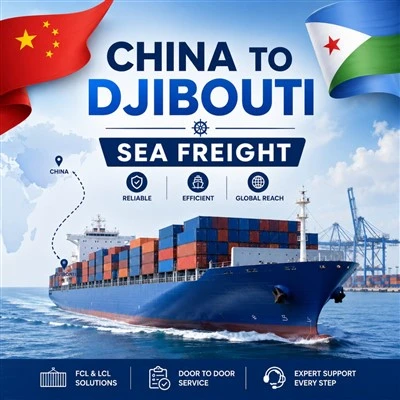
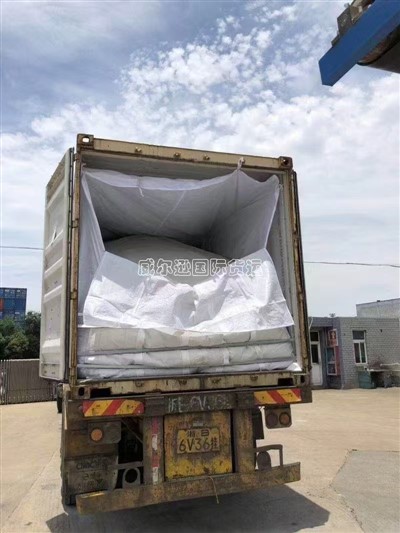
Full Container Load (FCL) shipping is an essential part of global logistics, catering to businesses with larger shipments that require dedicated container space. Whether you are transporting large items, such as furniture, machinery, or bulk goods, FCL ensures your cargo travels in a sealed, dedicated container, minimizing handling and enhancing security. At Zhejiang Wilson Supply Chain Management Co., Ltd., we provide reliable and efficient FCL ocean freight services that ensure your goods are transported safely and on time.
What is FCL?
Full Container Load (FCL) refers to a type of sea freight service where an entire container is used exclusively for one shipper's goods. In this service, the shipper rents an entire container, either a 20-foot or 40-foot container, and fills it with their own cargo. FCL shipments are not shared with other shippers, ensuring that the goods remain isolated and are handled exclusively by the shipper's team throughout the journey. This type of service is ideal for large-volume shipments or when the cargo requires dedicated space.

Types of FCL Containers
There are several types of FCL containers available for different kinds of cargo. The most common types include:
|
Container Type |
Dimensions (Length x Width x Height) |
Capacity (CBM) |
Common Use |
|
20' Standard Container |
5.89m x 2.35m x 2.39m |
33.08 CBM |
Small to medium-sized shipments |
|
40' Standard Container |
12.03m x 2.35m x 2.39m |
67.56 CBM |
Larger shipments, often for bulk goods |
|
40' High Cube Container |
12.03m x 2.35m x 2.69m |
76.04 CBM |
Shipments requiring extra height (ideal for taller cargo) |
|
Specialized Containers |
Varies based on type |
Varies by type |
Includes open-top, flat-rack, refrigerated containers, etc. |
Why Choose FCL?
Advantages:
- Dedicated Space: FCL ensures that your goods are the only cargo in the container, reducing the risk of damage from being loaded and unloaded with goods from other shippers.
- Faster Transit Time: FCL shipments typically have faster transit times as the container is sealed at the origin and unloaded at the destination without the need for deconsolidation.
- Cost-Effective for Larger Loads: When shipping large volumes, FCL is generally more cost-effective than LCL (Less Than Container Load) because you pay a flat rate for the container, regardless of how much space your goods occupy.
- Enhanced Security: With FCL, your cargo is sealed in a container, reducing the likelihood of theft, loss, or damage during transit.
Disadvantages:
- Higher Cost for Smaller Shipments: FCL is generally not the most economical choice for smaller shipments. If you don't have enough goods to fill an entire container, LCL may be a more affordable option.
- Space Requirement: FCL is ideal for large shipments, but if you don't need the entire container, you may end up paying for unused space.
- Logistical Complexity: For smaller businesses or those without adequate storage, arranging for the handling of large shipments can be more complex than opting for LCL.

How is FCL Freight Calculated?
The cost of FCL shipping is primarily based on the following factors:
- Container Type and Size: The price varies depending on whether you use a 20-foot, 40-foot, or high cube container. The larger the container, the higher the cost.
- Destination and Origin Ports: Shipping costs also depend on the origin and destination of the shipment. International shipping rates fluctuate based on demand, shipping routes, and port charges.
- Chassis Fee: This is the cost associated with transporting the container from the port to the final destination or pickup location.
- Handling Charges: Additional charges for loading, unloading, and securing cargo can also add to the cost, particularly when dealing with specialized cargo or ports with additional handling requirements.
- Peak Season Surcharges: During peak seasons, such as before the holidays or during specific trade events, shipping rates may increase due to higher demand.
- Additional Fees: Customs clearance, destination port charges, and local handling fees are also factored into the overall cost of FCL shipping.

Why Choose Us for FCL Shipping?
At Zhejiang Wilson Supply Chain Management Co., Ltd., we offer comprehensive FCL shipping solutions tailored to meet the needs of businesses worldwide. Our strengths include:
- Global Reach and Expertise: With offices in Shanghai, Shenzhen, Hong Kong, and a strong presence in Ningbo, we provide seamless FCL shipping services across major global routes, including Southeast Asia, Europe, and the Americas.
- Capacity and Reliability: We handle over 56,000 TEUs annually, ensuring we can offer stable capacity, even during peak seasons.
- Advanced Technology: Our intelligent tracking systems allow you to monitor your shipments in real-time, ensuring full visibility throughout the journey.
- Experienced Team: Our dedicated team of logistics professionals is trained to manage all aspects of your FCL shipment, from container selection to final delivery, ensuring minimal risk and optimized efficiency.
- Cost-Effective Solutions: We understand the importance of cost control, and our expertise allows us to optimize routes, negotiate competitive rates, and offer flexible pricing structures to suit your needs.
Our Other Services
In addition to FCL shipping, we offer a wide range of logistics services, including:
- LCL (Less Than Container Load) Shipping
- Air Freight Services
- Multimodal Transport Solutions
- Customs Clearance and Documentation Services
- Container Leasing and Management
- Warehousing and Inventory Management
- Supply Chain Consulting and Optimization

FCL Ocean Freight
Get in touch with our sea freight experts now to discuss your requirements and receive a quick quote while you're at it!
FAQ
Q1: Which is cheaper, FCL or LCL?
Generally, FCL (Full Container Load) is more cost-effective for larger shipments, typically over 14 CBM, as you pay a flat rate for the entire container regardless of whether it's fully filled. Conversely, LCL (Less Than Container Load) is more economical for smaller shipments, allowing you to pay only for the space your goods occupy in a shared container, making it a cost-efficient option when shipping smaller loads.
Q2: How do I calculate the cost of FCL shipping?
Costs are based on container size, destination, handling fees, and any additional charges such as peak season surcharges and customs fees.
Q3: What types of containers are used for FCL?
Standard 20-foot and 40-foot containers, as well as high cube containers, are commonly used for FCL shipping. Special containers, like refrigerated or open-top, are also available.
Q4: How long does FCL shipping take?
Transit times generally range from 25 to 40 days, depending on the shipping route and port congestion.
Q5: What additional services do you offer for FCL shipments?
We provide services such as customs clearance, cargo insurance, tracking, and cargo handling, ensuring a smooth and efficient process from start to finish.
Q6: Do inland countries have FCL Ocean Freight services?
Of course, there is no SEA for inland transportation through Egypt, so sea freight services cannot be provided. However, FCL's services currently cover all parts of the world, including inland countries. FCL can be transported to major cities around the world by road and rail, and is also popular among traders.
Q7: Will FCL Ocean Freight cause damage to the goods?
The standardized transportation of FCL can provide maximum protection for goods, and usually only major disasters such as container drowning or fire may cause damage to the goods. At present, major ship owners are taking strict measures to prevent disasters from occurring, and international insurance is also in place to prevent damage to goods from affecting customers.
Hot Tags: fcl ocean freight, price, cheap, cost, quote, service, provide, forwarder, company