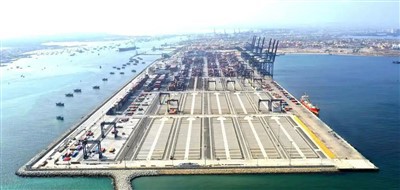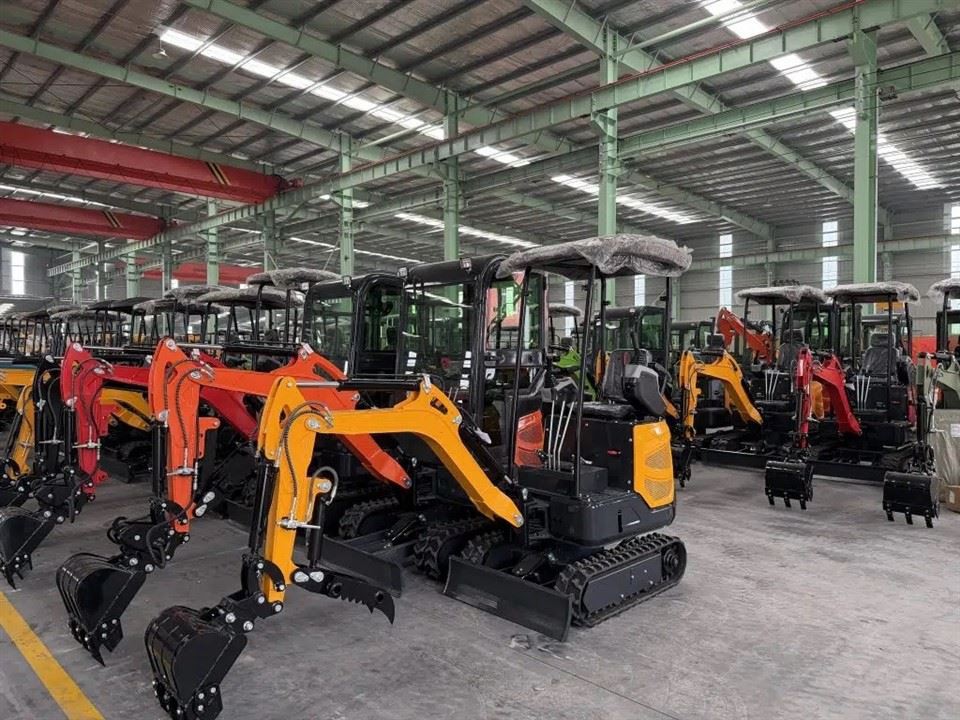
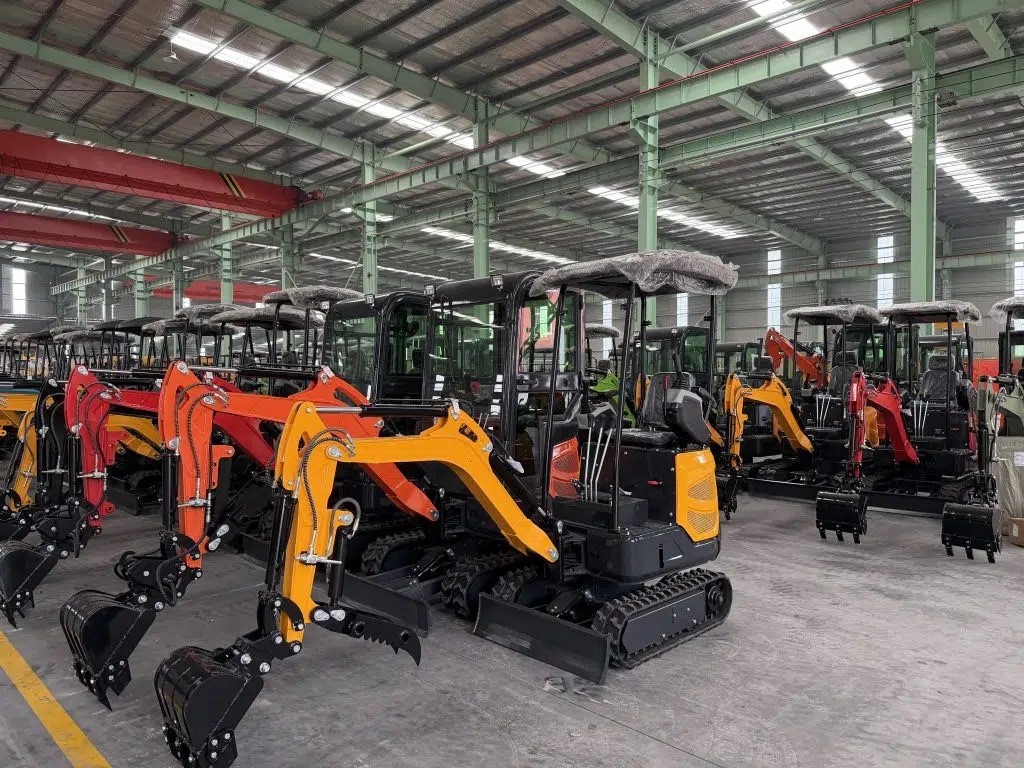
Buying a used excavator from China can help importers reduce equipment costs, especially for contractors, machinery dealers, rental companies, and construction project owners. China has become an active export market for used construction machinery, including mini excavators, crawler excavators, wheeled excavators, loaders, forklifts, cranes, and other heavy equipment.
But shipping a used excavator is not the same as shipping ordinary cargo.
The machine may be oversized.
It may need partial dismantling.
It may require special loading, lashing, customs documents, and destination port coordination.
A low purchase price means very little if the equipment is damaged during loading, delayed at customs, or shipped by the wrong method.
At Zhejiang Wilson Supply Chain Management Co., Ltd., we provide professional used excavator shipping from China to global markets. Whether you are importing one mini excavator or arranging regular shipments of used construction machinery, our team can help you choose the right shipping solution, control logistics costs, and reduce transport risks.
Need to ship a used excavator from China? Contact Wilson for a practical shipping plan based on your excavator model, dimensions, weight, loading city, and destination port.
Get Latest Ocean Freight Rates Now
Why Choose Wilson for Used Excavator Shipping From China?
Used excavator shipping requires more than booking ocean freight. A reliable freight forwarder must understand machinery dimensions, port handling rules, export documents, loading methods, and damage prevention.
Wilson has been operating in international freight forwarding and supply chain management since 2011. Headquartered in Ningbo, with branches in Shanghai, Shenzhen, and Hong Kong, we support customers across sea freight, special container transport, oversized cargo, vehicle export logistics, chemical logistics, and supply chain services.
Our annual container operation volume is around 56,000 TEU, supported by an experienced team and long-term cooperation with major shipping lines.
For used excavator and construction machinery shipping, our advantages are clear.
Practical Experience With Heavy Equipment and Vehicle Export
Used excavators belong to a special cargo category. They are not standard boxed goods, and they are not simple vehicles either. Before shipping, the forwarder must check machine size, operating condition, bucket type, boom height, track width, weight, and whether the machine can be driven or lifted safely.
Wilson has hands-on experience in shipping used cars, trucks, buses, engineering vehicles, excavators, loaders, forklifts, cranes, and other machinery from China to overseas markets. We understand how different machines should be loaded, fixed, documented, and delivered to port.
Correct Shipping Method Selection
A mini excavator may fit into a 20GP or 40HQ container after proper preparation. A medium crawler excavator may require flat rack shipping. A large excavator may need RoRo or break bulk shipping.
Choosing the wrong method can increase cost, cause port rejection, or create safety risks during loading.
Wilson helps customers compare different options based on equipment size, shipping budget, transit time, destination port capacity, and cargo condition. We do not simply choose the cheapest option. We choose the method that is workable, safe, and cost-effective.
Strong Loading and Lashing Control
Most shipping damage happens before the vessel leaves China.
Scratches, broken mirrors, hydraulic pipe damage, loose parts, movement inside containers, and track shifting are common problems when machinery is not loaded and secured properly.
Wilson pays close attention to pre-loading inspection, photo records, loading position, wheel or track fixing, anti-slip measures, lashing points, center of gravity, bucket placement, and final status confirmation after loading. For oversized machinery, we design lashing and protection methods according to the machine's structure and transport method.
China Port Resources and Shipping Line Network
Wilson can arrange used excavator shipments from major Chinese ports, including Ningbo, Shanghai, Shenzhen, Guangzhou, Tianjin, Qingdao, and other ports depending on the machine location.
We work with major carriers such as COSCO, Maersk, MSC, Hapag-Lloyd, Evergreen, and other shipping lines. Our route coverage includes Southeast Asia, the Middle East, Africa, India and Pakistan, Europe, North America, South America, and other major equipment import markets.
Full-Process Logistics Support
From domestic pickup to port delivery, from loading supervision to export customs declaration, from booking to document preparation, Wilson can support the full export logistics process.
For overseas buyers who are not familiar with China's machinery export process, this saves time and reduces uncertainty.
What Types of Excavators and Construction Machinery Can We Ship?
Wilson can arrange international shipping for different types of used excavators and related construction equipment from China.
Common excavator types include:
- Mini excavators
- Small crawler excavators
- Medium crawler excavators
- Large crawler excavators
- Wheeled excavators
- Hydraulic excavators
- Long-reach excavators
- Used excavators with buckets, breakers, or attachments
- Partially dismantled excavators
- Non-running excavators that require lifting or special handling
Common brands we can help ship include:
- Komatsu
- Hitachi
- Caterpillar
- Kobelco
- Doosan
- Hyundai
- Volvo
- Sany
- XCMG
- LiuGong
- Zoomlion
- SDLG
- Other Chinese, Japanese, Korean, European, and American brands
We can also arrange shipping for related machinery, such as:
- Wheel loaders
- Bulldozers
- Forklifts
- Road rollers
- Motor graders
- Cranes
- Dump trucks
- Concrete mixer trucks
- Tractor trucks
- Engineering vehicles
- Spare parts and attachments
Before shipment, we usually need the machine model, year, weight, dimensions, photos, loading address, destination port, and whether the excavator is operational.
These details directly affect the shipping method and cost.
Common Shipping Methods for Used Excavators From China
There is no single best shipping method for all excavators. The right solution depends on the machine size, weight, quantity, condition, destination port, and budget.
Container Shipping
Container shipping is commonly used for mini excavators and small excavators.
If the machine dimensions allow, the excavator can be loaded into a 20GP, 40GP, or 40HQ container. In some cases, the bucket, boom, cabin, or attachments may need to be adjusted or removed to fit safely.
Container shipping offers good protection against seawater, rain, wind, and external damage. It is usually suitable for smaller machines and customers who want a safer enclosed transport method.
Best for:
- Mini excavators
- Small crawler excavators
- Equipment that can be dismantled or adjusted
- Buyers shipping one or several compact machines
- Routes with regular container vessel service
The main limitation is size. If the excavator is too wide, too high, or too heavy, container shipping may not be practical.
Flat Rack Shipping
Flat rack shipping is often used for medium or oversized excavators that cannot fit into a standard container.
A flat rack container has no side walls or roof, allowing wider and higher machinery to be loaded. The excavator is placed on the flat rack and secured with chains, belts, blocks, and other lashing materials.
Best for:
- Medium excavators
- Oversized crawler excavators
- Equipment with excessive width or height
- Machines that need crane loading
- Routes where container vessels accept special containers
Flat rack shipping usually costs more than standard container shipping because it occupies special container space and may involve additional handling charges.
However, for many used excavators, it is the most practical method.
Open Top Container Shipping
Open top containers can be used when the excavator is slightly over height but still suitable for container-style loading.
The machine is loaded from the top by crane or from the door side when possible. After loading, the top may be covered with tarpaulin if required.
Best for:
- Equipment with limited over-height
- Certain dismantled excavators
- Machinery that needs top loading
- Cargo requiring more protection than flat rack shipping
Open top shipping is not always available on every route, so port and carrier confirmation is needed in advance.
RoRo Shipping
RoRo means Roll-on/Roll-off. If the excavator can move under its own power or can be safely towed, it may be driven onto a RoRo vessel.
RoRo is suitable for large wheeled machinery, trucks, buses, and some construction equipment. It avoids container loading, but it depends heavily on port availability and vessel schedule.
Best for:
- Running excavators
- Wheeled excavators
- Large construction vehicles
- Multiple vehicle shipments
- Destinations with RoRo terminal service
RoRo is not available at every Chinese port or every destination port. Schedule flexibility may be lower than container shipping.
Break Bulk Shipping
For very large excavators or heavy construction machinery, break bulk shipping may be required.
The machine is loaded directly onto a vessel as non-containerized cargo. This method is used when the equipment is too large for container, flat rack, or RoRo transport.
Best for:
- Large excavators
- Heavy machinery
- Oversized engineering equipment
- Project cargo
- Multiple large machines shipped together
Break bulk shipping requires detailed planning, including lifting points, center of gravity, cargo drawings, port handling method, and loading supervision.
Main Loading Ports in China for Used Excavator Shipping
Wilson can arrange used excavator shipping from major ports across China. The final port choice depends on the machine's location, shipping route, vessel availability, cargo size, and total logistics cost.
Ningbo Port
Ningbo is Wilson's headquarters location and one of China's most important container ports. It is a strong option for machinery located in Zhejiang, Jiangsu, Shanghai, Anhui, and nearby regions.
Ningbo offers frequent sailings, competitive freight options, and strong container handling capacity.
Shanghai Port
Shanghai is one of the busiest ports in the world and a major export hub for machinery, vehicles, and industrial goods. It is suitable for used excavators located in East China and for routes requiring more carrier options.
Shanghai is also convenient for suppliers and equipment yards in Jiangsu, Zhejiang, and surrounding provinces.
Qingdao Port
Qingdao is commonly used for machinery exports from Shandong and North China. If the excavator is located in Shandong or nearby industrial areas, Qingdao may reduce inland trucking cost.
Tianjin Port
Tianjin is a major port for North China. It is suitable for machinery located in Beijing, Hebei, Inner Mongolia, Shanxi, and nearby areas.
For large equipment, Tianjin can also be considered depending on the shipping method and route.
Shenzhen and Guangzhou Ports
For machines located in South China, Shenzhen and Guangzhou can be practical options. These ports are commonly used for export cargo from Guangdong and nearby regions.
They are also strong gateways for Southeast Asia, Middle East, Africa, and other markets.
Other Chinese Ports
Depending on the cargo location and shipping method, Wilson can also evaluate other ports. For oversized machinery, the nearest port is not always the best port. We need to confirm whether the port can handle flat rack, RoRo, break bulk, crane operation, and special cargo acceptance.
How Our Used Excavator Shipping Service Works
A clear process helps avoid cost surprises, loading problems, and customs delays. Wilson provides full-process support from the early planning stage to shipment tracking.
1. Confirm Cargo Details
We first collect basic excavator information:
- Brand and model
- Year of manufacture
- Machine weight
- Overall dimensions
- Bucket and attachment details
- Photos and videos
- Loading address in China
- Destination country and port
- Whether the machine can move by itself
- Whether dismantling is acceptable
These details allow us to judge whether the excavator can be shipped by container, flat rack, RoRo, open top, or break bulk.
2. Evaluate the Best Shipping Method
After checking the cargo details, we compare available shipping methods.
For example, a mini excavator may be shipped in a 20GP container. A larger crawler excavator may need a flat rack. A running wheeled excavator may be suitable for RoRo. A heavy machine for a project site may require break bulk shipping.
At this stage, we focus on three points: safety, cost, and feasibility.
The cheapest freight rate is not always the best answer. If the loading method is risky or the destination port cannot handle the cargo properly, the customer may pay more later.
3. Check Port and Carrier Acceptance
For oversized machinery, we confirm whether the shipping line accepts the cargo size and weight. For flat rack, open top, RoRo, or break bulk shipment, advance confirmation is essential.
We may need to provide:
- Cargo photos
- Technical data
- Dimensions
- Weight
- Loading method
- Lashing plan
- Special handling requirements
This reduces the risk of booking rejection or last-minute changes.
4. Arrange Domestic Pickup or Port Delivery
If the excavator is located at a supplier yard, machinery market, warehouse, or construction site, we can help coordinate domestic transport to the loading port or warehouse.
For non-running excavators, special trailers, cranes, or loading equipment may be required.
We check the inland route, road restrictions, loading conditions, and site access before pickup whenever needed.
5. Pre-Loading Inspection and Photo Record
Before loading, we recommend checking the machine condition and taking photos or videos.
This may include:
- Exterior condition
- Cabin condition
- Track condition
- Engine compartment
- Hydraulic pipes
- Bucket and attachments
- Nameplate and serial number
- Loose parts
- Existing scratches or damage
For used excavators, this step is very useful. It helps avoid disputes between buyer, seller, and logistics parties if damage is found later.
6. Loading, Securing, and Protection
Wilson focuses heavily on safe loading and lashing.
Depending on the shipping method, we may arrange:
- Ramp loading
- Crane lifting
- Track fixing
- Chain lashing
- Wooden blocks
- Anti-slip support
- Bucket fixing
- Hydraulic pipe protection
- Removal or securing of loose parts
- Final photo confirmation after loading
For container loading, space planning is important. For flat rack or break bulk cargo, center of gravity and lashing strength are key.
7. Export Customs Declaration and Documents
We assist with export customs coordination based on the documents provided by the shipper or supplier.
Common export documents include commercial invoice, packing list, sales contract, customs declaration information, and other documents depending on cargo and destination requirements.
For used machinery, accurate machine information is important. Wrong model, value, HS code, or quantity may cause customs delays.
8. Ocean Freight and Shipment Tracking
After the cargo is loaded and the vessel departs, we provide shipment tracking information, including vessel details, estimated departure, estimated arrival, and key transit updates.
For customers who are importing machinery for resale or project use, shipment visibility helps them plan customs clearance, inland delivery, and equipment deployment.
9. Destination Port Coordination
Depending on the customer's requirements and destination country, Wilson can help coordinate with overseas agents for arrival notice, customs clearance guidance, port handling, or inland delivery support.
Destination rules vary by country. Import licenses, emission standards, inspection requirements, and tax policies should be checked before shipment.
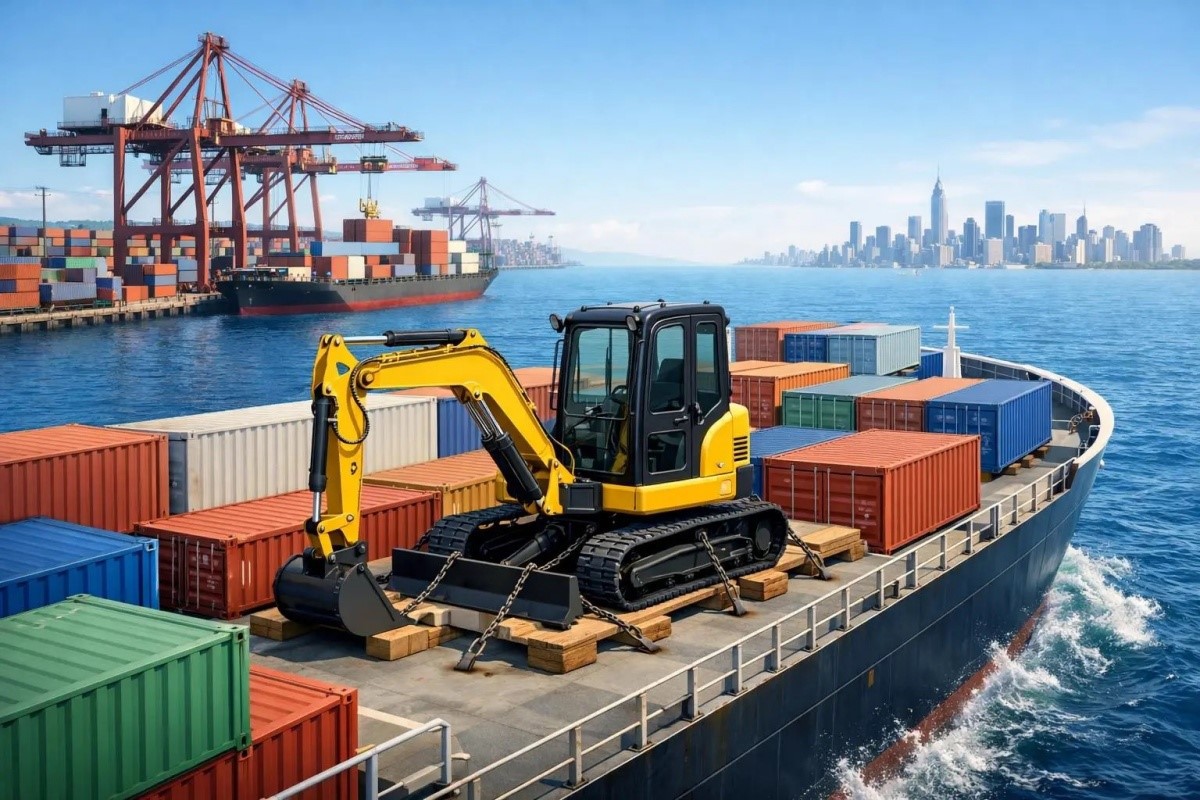
Cost & Time Estimates for Used Excavator Shipping From China
Used excavator shipping costs vary widely. The final price depends on machine size, shipping method, loading port, destination port, season, carrier rate, inland transport, port charges, insurance, customs clearance, and destination delivery.
The following table gives a practical reference for planning. Actual rates must be checked based on real cargo details and current freight market conditions.
|
Shipping Method |
Suitable Cargo |
Estimated Ocean Freight Range |
Estimated Transit Time |
Notes |
|
20GP Container |
Mini excavator, small dismantled excavator |
USD 1,500–4,000 |
15–45 days |
Cost-effective if the machine fits safely |
|
40HQ Container |
Small to medium dismantled excavator |
USD 2,500–6,000 |
15–45 days |
More space, better for larger compact machines |
|
Open Top Container |
Slightly over-height machinery |
USD 3,500–8,000 |
20–50 days |
Subject to equipment availability and carrier approval |
|
Flat Rack Container |
Medium or oversized excavator |
USD 4,500–12,000+ |
20–55 days |
Common for machines that cannot fit into standard containers |
|
RoRo Shipping |
Running machinery, wheeled excavator, large vehicles |
USD 3,000–10,000+ |
25–60 days |
Depends on RoRo route and port availability |
|
Break Bulk Shipping |
Large excavator, heavy machinery, project cargo |
Quoted case by case |
25–70 days |
Best for oversized or very heavy equipment |
These estimates usually refer to ocean freight only. A full landed cost may also include:
- Domestic trucking in China
- Loading and lifting charges
- Container or flat rack handling fees
- Lashing and securing materials
- Export customs declaration
- Port charges
- Marine insurance
- Destination terminal handling charges
- Import customs clearance
- Duties and taxes
- Inland delivery at destination
- Demurrage and detention if cargo is not picked up in time
【Note】: Transit times may vary slightly based on weather conditions, customs processing, and port congestion. Prices listed are indicative and subject to change based on market fluctuations. For precise quotations and schedules, please contact our team today for an accurate quote tailored to your goods and a better offer! ( gm@wilson-cargo.com )

Used Excavator Shipping From China
Get in touch with our sea freight experts immediately to discuss your requirements and get a quick quote.
How Wilson Helps Control Shipping Costs
We help customers reduce unnecessary cost in several ways.
First, we check whether the excavator can be safely loaded into a standard container after reasonable adjustment or dismantling. If possible, this may be cheaper than flat rack shipping.
Second, we compare nearby loading ports. Sometimes shipping from the nearest port is not the cheapest overall solution. A different port may offer better vessel frequency, lower freight, or better handling conditions.
Third, we check carrier options and sailing schedules. When space is tight or peak season rates increase, early booking can help avoid last-minute expensive freight.
Fourth, we design the loading plan before the machine reaches the port. Poor planning can lead to failed loading, extra trucking, storage charges, and delayed shipment.
How Wilson Helps Protect Transit Time
Transit delays are often caused by missing documents, late cargo delivery, port congestion, incorrect cargo data, customs inspection, or carrier schedule changes.
Wilson reduces these risks by confirming cargo details early, checking documents before export, selecting suitable shipping routes, coordinating port operation, and tracking the shipment after departure.
For urgent project cargo, we can help compare faster sailings and more stable routes. For cost-sensitive buyers, we can also evaluate slower but cheaper options.
What Documents Are Needed for Used Excavator Shipping From China?
Document requirements may vary by destination country, but the following documents are commonly involved in used excavator export and import.
Commercial Invoice
The commercial invoice shows the buyer, seller, machine description, quantity, unit price, total value, currency, and trade terms.
The information should match the sales contract and customs declaration.
Packing List
The packing list describes the cargo details, including machine model, quantity, dimensions, gross weight, packing method, and sometimes attachment details.
For oversized machinery, accurate dimensions and weight are very important.
Bill of Lading
The bill of lading is issued by the shipping line or freight forwarder. It acts as a transport document and cargo receipt.
The consignee will usually need it for destination customs clearance and cargo release.
Sales Contract
The sales contract helps prove the transaction between buyer and seller. It may be required for customs, payment, or inspection purposes.
Export Declaration Documents
For China export customs, the shipper or exporter needs to provide customs declaration information. This may include product description, HS code, value, quantity, and company export qualification documents.
Certificate of Origin
Some destination countries may request a certificate of origin. It can help customs identify where the machine comes from and whether any tariff preference applies.
Inspection Certificate
For used machinery, some buyers or destination countries may require pre-shipment inspection, machine inspection report, or third-party inspection certificate.
Even when not required by law, an inspection report is useful for risk control.
Compliance Certificates
Depending on the destination market, used excavators may need documents related to emissions, safety, or technical compliance.
Examples include:
- CE-related documents for the European market
- EPA-related documents for the U.S. market
- Engine emission information
- Serial number and nameplate photos
- Maintenance or service records if available
Importers should confirm destination compliance rules before purchasing the machine.
HS Code Information
Excavators are commonly classified under HS code categories for self-propelled excavating machinery. The exact HS code should be confirmed with customs brokers based on the machine type and destination country.
Incorrect HS code use may lead to wrong duty calculation or clearance delay.
How to Buy a Used Excavator From China
Many overseas buyers focus only on price when buying used excavators from China. That is risky.
The real question is not just "How much is the machine?"
The better question is: "Can this machine be verified, exported, shipped, cleared, and used without major problems?"
Here is a practical buying process.
1. Confirm Your Application
Before searching for suppliers, define your working conditions.
Ask yourself:
- What type of project will the excavator be used for?
- What digging depth and bucket capacity do you need?
- Do you need a mini, medium, or large excavator?
- Is fuel efficiency important?
- Are local spare parts available for this brand?
- Are there emission rules in your country?
- Do you need specific attachments?
This prevents you from buying a machine that is cheap but unsuitable.
2. Choose the Right Supplier
China has many used machinery yards, dealers, and exporters. Some are professional. Some are not.
When evaluating a supplier, check:
- Business license
- Export experience
- Machinery yard photos and videos
- Customer records
- Machine serial number
- Actual working hours
- Engine and hydraulic system condition
- Warranty terms if offered
- Payment terms
- Refund or dispute policy
Avoid suppliers who refuse video inspection, cannot provide clear machine details, or only push for quick payment.
3. Request Photos, Videos, and Technical Details
Before payment, request detailed materials.
Useful materials include:
- 360-degree exterior video
- Engine start video
- Hydraulic movement video
- Walking test video
- Cabin and dashboard photos
- Nameplate photo
- Engine photo
- Track and undercarriage photos
- Bucket and boom photos
- Maintenance records if available
For used excavators, working hours can be changed. Do not rely only on the meter reading. Check the full machine condition.
4. Arrange Inspection Before Shipment
If the machine value is high, pre-shipment inspection is strongly recommended.
The inspection can check:
- Engine performance
- Hydraulic leakage
- Boom and arm condition
- Track wear
- Cabin controls
- Welding marks
- Oil leakage
- Noise and vibration
- Attachment condition
- Serial number
- Photos and videos for record
Inspection is much cheaper than receiving a defective machine overseas.
5. Confirm Shipping Method Before Final Purchase
Do not wait until after payment to check shipping.
Before confirming the order, you should know whether the excavator can be loaded into a container, requires flat rack, or needs RoRo or break bulk shipping.
Shipping cost may change the total purchase decision.
Wilson can help check transport feasibility based on machine dimensions, weight, and loading address before you finalize the purchase.
6. Confirm Import Rules in Your Country
Every country has its own rules for used construction machinery.
You may need to check:
- Import permit
- Emission standards
- Safety certificate
- Used machinery inspection
- Customs duty and VAT
- Quarantine or cleaning rules
- Destination port handling ability
- Road transport permits for oversized cargo
Do this before shipment, not after the vessel arrives.
7. Arrange Payment and Contract Carefully
Many used excavator transactions use deposit and balance payment terms.
Before paying, make sure the contract clearly states:
- Machine brand and model
- Serial number
- Year
- Working hours
- Price
- Included attachments
- Delivery terms
- Inspection standard
- Refund terms
- Shipping responsibility
- Documents to be provided
A clear contract protects both buyer and seller.
Ship Your Used Excavator From China With Wilson
Used excavator shipping is a practical job. It requires the right freight method, correct documents, safe loading, experienced coordination, and careful risk control.
Wilson helps overseas buyers, machinery dealers, and construction equipment suppliers arrange reliable used excavator shipping from China to global markets. From port selection and booking to loading supervision, lashing, customs declaration, document preparation, shipment tracking, and destination coordination, we provide a complete logistics solution for used construction machinery exports.
If you are buying a used excavator from China, send us the machine model, dimensions, weight, loading city, and destination port.
Wilson will help you build a safer, clearer, and more cost-effective shipping plan.
FAQ
Q: 1. How much does it cost to ship a used excavator from China?
A: The cost depends on the excavator size, weight, loading port, destination port, shipping method, and current freight market. A mini excavator shipped in a container may cost much less than a medium excavator shipped by flat rack. Large excavators shipped by break bulk need case-by-case quotation.
For an accurate quote, provide the model, dimensions, weight, photos, loading city, and destination port.
Q: 2. What is the best shipping method for a used excavator?
A: For mini excavators, container shipping is often the most cost-effective method. For medium excavators, flat rack shipping is common. For running wheeled excavators or large machinery, RoRo may be suitable if the route is available. For very large machines, break bulk shipping may be required.
The best method depends on cargo size, route, port conditions, and budget.
Q: 3. Can a used excavator fit into a container?
A: Some mini and small excavators can fit into a 20GP or 40HQ container. The bucket, cabin, boom, or attachments may need to be adjusted or removed.
Medium and large crawler excavators usually cannot fit into standard containers and may require flat rack, RoRo, or break bulk shipping.
Q: 4. How long does it take to ship a used excavator from China?
A: Typical ocean transit time ranges from 15 to 60 days depending on the destination. Nearby Asian ports may be faster, while Africa, Europe, the Americas, or remote destinations may take longer.
The full timeline should also include domestic pickup, loading, customs declaration, port operation, destination clearance, and inland delivery.
Q: 5. Which Chinese ports can ship used excavators?
A: Common ports include Ningbo, Shanghai, Qingdao, Tianjin, Shenzhen, and Guangzhou. The best port depends on the machine location, shipping method, vessel route, and port handling capacity.
Wilson can help compare port options and select a practical loading port.
Q: 6. Do I need insurance for used excavator shipping?
A: Marine insurance is strongly recommended. Used excavators are valuable and may face risks during loading, lifting, sea transport, transshipment, and destination unloading.
Insurance cost is usually small compared with the machine value and potential loss.
Q: 7. What documents are required to import a used excavator?
A: Common documents include commercial invoice, packing list, bill of lading, sales contract, certificate of origin, export declaration documents, inspection certificate, and compliance documents if required by the destination country.
Importers should also confirm local customs duty, VAT, emission rules, and used machinery import requirements.
Q: 8. Can Wilson help with loading and lashing?
A: Yes. Wilson can coordinate loading supervision, lashing, securing, photo records, and export operation in China. For excavators and heavy machinery, proper fixing is one of the most important steps to prevent damage during transport.
Hot Tags: used excavator shipping from china, price, cheap, cost, quote, service, provide, forwarder, company