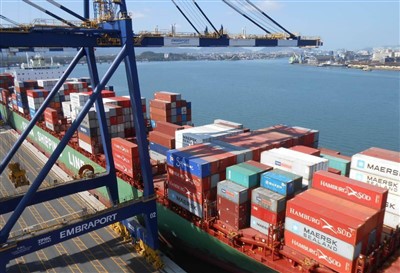
Fremantle is one of the most important gateways for cargo entering Western Australia. For importers based in Perth, industrial zones around Western Australia, mining-related supply chains, construction businesses, wholesalers, retailers, and e-commerce sellers, shipping directly to Fremantle can often be more practical than routing cargo through Sydney, Melbourne, or Brisbane and then paying for long domestic transport across Australia.
China and Australia have maintained strong trade flows for many years. From China, Australian businesses commonly import furniture, machinery, building materials, electronics, packaging products, auto parts, industrial equipment, consumer goods, textiles, and many other manufactured products. For large-volume or non-urgent cargo, sea freight from China to Fremantle remains one of the most cost-effective logistics solutions.
At Zhejiang Wilson Supply Chain Management Co., Ltd., we help importers arrange ocean freight from major Chinese ports to Fremantle, including FCL, LCL, special container shipping, oversized cargo, chemical cargo, customs documentation, insurance, and inland delivery coordination.
Need a shipping quote from China to Fremantle? Send us your cargo details, supplier location, cargo volume, weight, Incoterm, and delivery address in Australia. Our team will help you compare routes, estimate costs, and choose the most suitable shipping plan.
Get Latest Ocean Freight Rates Now

Main Ports and Route Options from China to Fremantle
Choosing the right port of loading in China matters. A cheaper ocean freight rate may not be the best option if your supplier is far from the port, inland trucking is expensive, or sailing frequency is limited. For Fremantle shipments, we usually select the port based on supplier location, cargo type, container availability, and sailing schedule.
Major China Ports for Shipping to Fremantle
Shanghai Port
Shanghai is suitable for suppliers located in East China, including Jiangsu, Zhejiang, Anhui, and nearby manufacturing areas. It offers frequent sailings, strong carrier coverage, and good options for both full container and consolidated shipments.
Ningbo Port
Ningbo is one of Wilson's strongest operating bases because our headquarters are located in Ningbo. For cargo from Zhejiang, Jiangsu, and surrounding industrial areas, Ningbo can be highly efficient. It is especially suitable for machinery, consumer goods, industrial parts, chemicals, and containerized cargo.
Shenzhen / Yantian / Shekou
For suppliers in Guangdong and South China, Shenzhen ports are often a practical choice. These ports are commonly used for electronics, e-commerce goods, lighting products, furniture, home appliances, and mixed commercial cargo.
Guangzhou / Nansha
Guangzhou is another useful option for South China cargo, especially when suppliers are located around the Pearl River Delta. It can work well for both FCL and LCL shipping to Australia.
Qingdao Port
Qingdao is often used for cargo from Shandong and North China. It may be suitable for machinery, tires, equipment, building materials, and industrial products.
Tianjin Port
Tianjin serves Beijing, Hebei, and other northern manufacturing regions. It can be used for heavy equipment, building materials, chemicals, vehicles, and general container cargo.
Why Ship Directly to Fremantle?
Fremantle is the main container port serving Western Australia. If your final destination is Perth, Welshpool, Kewdale, Canning Vale, Malaga, Henderson, or other WA industrial areas, shipping to Fremantle can reduce inland transport distance compared with using eastern Australian ports.
For Western Australia importers, Fremantle offers several practical advantages:
- Shorter domestic delivery distance for Perth and WA-based businesses
- Lower risk of unnecessary interstate trucking costs
- Better route fit for construction, mining, machinery, and industrial cargo moving into WA
- Practical destination choice for importers who want local customs clearance and delivery coordination in Western Australia
However, sailing time to Fremantle can sometimes be longer than to some east coast ports, depending on the carrier route and whether transshipment is involved. That is why route planning should not be based on ocean freight rate alone.
When Should You Choose Sea Freight from China to Fremantle?
Sea freight is usually the right choice when cost control is more important than speed.
- You should consider sea freight if:
- Your cargo is large, heavy, or bulky
- You are importing more than a few cubic meters
- Your goods are not urgently needed
- Your profit margin depends on reducing logistics cost per unit
- You are importing commercial inventory regularly
- Your goods are suitable for containerized shipping
- You need to ship machinery, furniture, building materials, spare parts, chemicals, or wholesale cargo
For smaller urgent shipments, air freight may be better. But once your shipment becomes heavy or volume-based, air freight costs can rise quickly. In that case, ocean freight is often the more reasonable solution.
LCL or FCL: Which One Should You Choose?
LCL Shipping to Fremantle
LCL, or Less than Container Load, is suitable when your cargo does not fill a full container. Your goods are consolidated with cargo from other shippers.
LCL is often suitable for:
- Small commercial orders
- Trial orders from new suppliers
- Cargo below around 13–15 CBM
- Importers who do not want to pay for unused container space
- Mixed products from different suppliers
The advantage is flexibility. The disadvantage is that LCL cargo usually involves more handling, consolidation, deconsolidation, and sometimes longer transit time.
FCL Shipping to Fremantle
FCL, or Full Container Load, is suitable when your cargo volume is large enough to justify using a full 20ft or 40ft container.
FCL is often better when:
- Your shipment is above around 13–15 CBM
- You are shipping high-value or fragile goods
- You want less cargo handling
- You need better control over loading and sealing
- You import regularly from China
- You want a lower unit shipping cost for larger cargo volumes
For many commercial importers, FCL becomes more cost-effective as volume increases. It also reduces the risk of cargo damage because the container is loaded and sealed at origin.
How Our Sea Shipping Service Works
Shipping from China to Fremantle is not just about booking a container. A reliable shipment needs route planning, document control, customs preparation, cargo tracking, and cost management from the beginning.
At Wilson, we manage the process step by step.
Step 1: Cargo Consultation and Requirement Review
We start by checking your cargo details, including:
- Product name
- HS code, if available
- Cargo volume and weight
- Number of cartons, pallets, or packages
- Supplier address in China
- Preferred Incoterm, such as FOB, EXW, CIF, or DAP
- Required delivery address in Australia
- Cargo value and insurance needs
- Special requirements, such as temperature control, dangerous goods, oversized cargo, or fragile cargo
This step helps us avoid wrong route selection, incomplete documents, and unexpected destination charges.
Step 2: Shipping Plan and Cost Comparison
After reviewing your cargo, we compare suitable shipping options. Depending on your shipment, we may recommend:
- LCL shipping
- 20ft container
- 40ft container
- 40HQ container
- Open-top container
- Flat rack container
- Reefer container
- Dangerous goods container solution
- Breakbulk or project cargo solution
We also check port options, carrier schedules, transit time, and cost structure. Our goal is not simply to offer the lowest ocean rate. Our goal is to help you understand the total logistics cost.
Step 3: Supplier Coordination and Cargo Pickup
If your shipment is under EXW or needs inland pickup, we coordinate with your supplier in China. We can arrange:
- Factory pickup
- Trucking to warehouse or port
- Cargo consolidation
- Loading supervision when needed
- Packing advice
- Export documentation support
For shipments from multiple suppliers, we can help consolidate cargo before export to improve container usage and reduce cost.
Step 4: Export Customs Declaration in China
Wilson has strong customs and compliance experience. We help review the export documents and arrange export declaration when required.
- Common documents may include:
- Commercial invoice
- Packing list
- Sales contract
- Customs declaration elements
- Product description
- Certificate of origin, if needed
- Dangerous goods documents, if applicable
- MSDS for chemical cargo, if applicable
Correct documentation at origin reduces the risk of customs delays and loading problems.
Step 5: Ocean Freight Booking and Container Loading
We work with major shipping lines including COSCO, HPL, MSK, MSC, EMC, and other carrier networks. Based on cargo volume and schedule requirements, we arrange the booking and monitor container release, loading, customs clearance, and vessel departure.
For FCL shipments, the container can be loaded at the factory, warehouse, or port facility depending on the situation. For LCL shipments, goods are delivered to a consolidation warehouse before being loaded into a shared container.
Step 6: Cargo Tracking and Status Updates
During the sea freight process, we provide shipment updates so you know where your cargo is and what stage it has reached.
Our logistics management system and tracking process help monitor:
- Booking confirmation
- Container pickup
- Customs release
- Vessel departure
- Transshipment, if any
- Estimated arrival
- Document status
- Destination release progress
This is especially important for importers who need to plan warehouse space, sales schedules, construction projects, or production timelines.
Step 7: Arrival at Fremantle and Destination Coordination
Before the cargo arrives at Fremantle, destination documents should be checked carefully. Depending on your service scope, we can help coordinate with destination agents for:
- Arrival notice
- Customs clearance support
- Quarantine or biosecurity-related document preparation
- Port release
- Deconsolidation for LCL cargo
- Container delivery arrangement
- Final delivery coordination
Australia has strict import rules, especially for wood packaging, plant-related products, food-contact goods, chemicals, and certain regulated commodities. Early document review is important.
Step 8: Delivery, Insurance, and After-Shipment Support
Once customs and port release are completed, cargo can be delivered to your warehouse, project site, or final address. We can also help with cargo insurance, claims support, and future shipment planning.
For regular importers, we review shipment history and help optimize future routes, container loading, supplier coordination, and cost control.
Advantages of Our Sea Freight from China to Fremantle
Strong China Port Network
Wilson is headquartered in Ningbo and has branches in Shanghai, Shenzhen, and Hong Kong. This gives us practical operating coverage across China's major export regions. Whether your supplier is in East China, South China, or North China, we can help arrange suitable port routing and local coordination.
More Than 10 Years of Freight Forwarding Experience
Founded in 2011, Wilson has grown from a small team into a professional supply chain company. Our team has deep experience in international freight forwarding, customs coordination, special cargo logistics, and supply chain planning.
Around 56,000 TEU Handled Annually
Wilson handles approximately 56,000 TEU per year, which gives us strong operational experience with containerized freight, carrier coordination, and route planning.
Cooperation with Major Shipping Lines
We maintain long-term cooperation with major carriers such as COSCO, HPL, MSK, MSC, EMC, and others. This helps us support customers with space arrangements, schedule options, and competitive freight solutions.
FCL, LCL, and Special Container Capability
Not all cargo fits into a standard container. We can handle:
- Standard dry containers
- LCL consolidation
- Open-top containers
- Flat rack containers
- Reefer containers
- Oversized cargo
- Heavy machinery
- Vehicles
- Chemical cargo
- Dangerous goods cargo
For special cargo, feasibility must be checked before booking. We review dimensions, weight, lifting points, cargo nature, port restrictions, and carrier acceptance before confirming the shipping plan.
Strong Compliance and Certification Background
Wilson holds important industry qualifications, including FIATA, IATA, AEO, ISO, and NVOCC credentials. This compliance background helps us manage documents, customs requirements, and shipping procedures more professionally.
Experience with Chemical and Dangerous Goods Logistics
We have long-term experience handling chemical products and dangerous goods, including ammonium sulfate, calcium chloride, hydrogen peroxide, potassium nitrate, refrigerants, and other regulated cargo. For customers shipping chemicals from China to Australia, correct classification and documentation are essential.
Practical Cost Control
We help customers reduce logistics costs by:
- Choosing the right loading port
- Comparing LCL and FCL options
- Consolidating cargo from multiple suppliers
- Avoiding unnecessary inland trucking
- Checking destination charges in advance
- Planning shipments before peak season
- Improving container space usage
- Reducing documentation errors that may cause storage or demurrage
The cheapest quote is not always the cheapest shipment. We focus on the full landed cost.
Transparent Tracking and Communication
Our team provides regular shipment updates and document reminders. For importers, this means fewer surprises and better planning before the cargo arrives at Fremantle.
Cost & Time Estimates of Sea Freight China to Fremantle
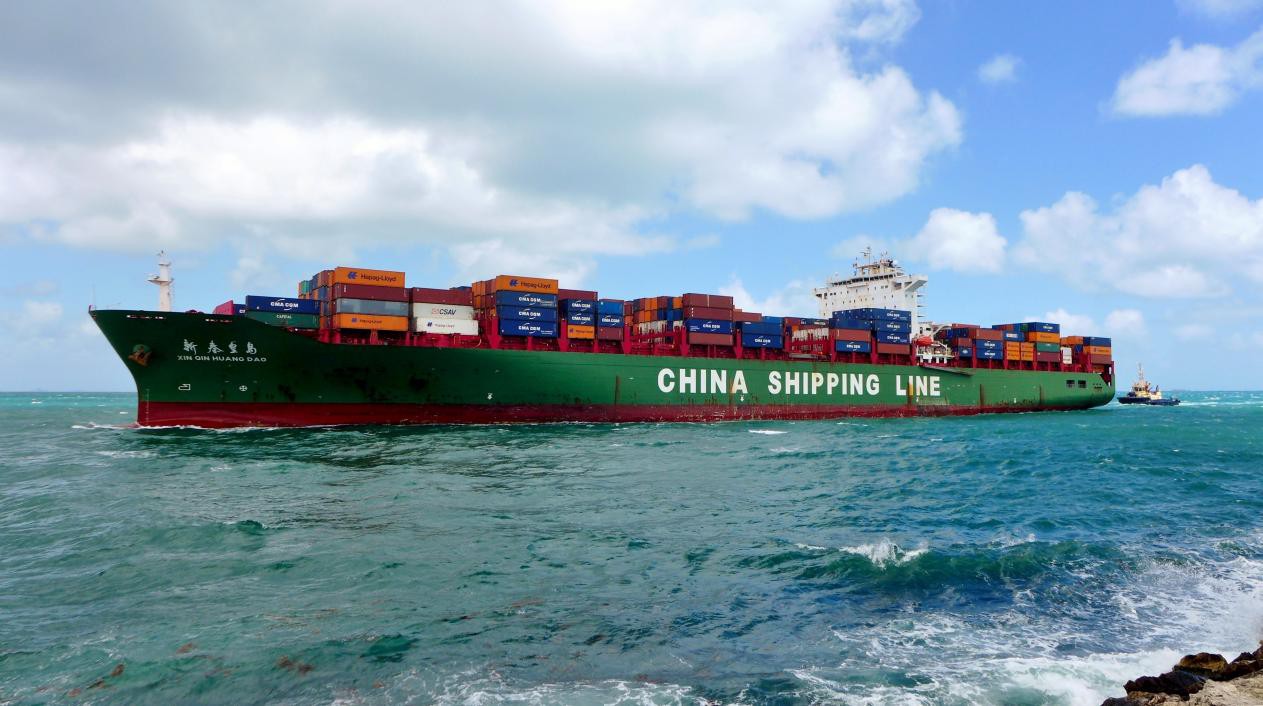
Sea freight costs from China to Fremantle depend on the port of loading, cargo volume, container type, carrier schedule, season, fuel costs, Australian destination charges, and whether the shipment is FCL or LCL.
The table below is a general planning reference only. Actual rates change frequently and should be confirmed based on your cargo details and shipping date.
|
Shipping Mode |
Suitable Cargo |
Estimated Transit Time to Fremantle |
General Cost Reference |
|
LCL Shipping |
Small shipments, usually 1–15 CBM |
Around 25–40 days |
Charged by CBM, often suitable for low-volume cargo |
|
20ft FCL |
Heavy or medium-volume cargo |
Around 22–32 days |
Often suitable for dense cargo or smaller full-container loads |
|
40ft FCL |
Larger commercial shipments |
Around 22–35 days |
Better unit cost when container space is well used |
|
40HQ FCL |
Bulky but lighter goods |
Around 22–35 days |
Common for furniture, home goods, packaging, and consumer products |
|
Special Container |
Oversized, refrigerated, or special cargo |
Case by case |
Requires cargo review before quotation |
Example Port-to-Port Transit Time Reference
|
China Port |
Destination Port |
Estimated Sea Transit Time |
|
Shanghai |
Fremantle |
Around 24–34 days |
|
Ningbo |
Fremantle |
Around 24–35 days |
|
Shenzhen / Yantian |
Fremantle |
Around 23–33 days |
|
Guangzhou / Nansha |
Fremantle |
Around 25–36 days |
|
Qingdao |
Fremantle |
Around 26–38 days |
|
Tianjin |
Fremantle |
Around 28–40 days |
These are estimated sailing and planning ranges, not guaranteed delivery times. LCL shipments may take longer because of consolidation and deconsolidation.
【Note】: Transit times may vary slightly based on weather conditions, customs processing, and port congestion. Prices listed are indicative and subject to change based on market fluctuations. For precise quotations and schedules, please contact our team today for an accurate quote tailored to your goods and a better offer! ( gm@wilson-cargo.com )

Sea Freight from China to Fremantle
Get in touch with our sea freight experts immediately to discuss your requirements and get a quick quote.
What Affects the Final Sea Freight Cost?
The final cost is influenced by:
- Port of loading in China
- Supplier location and inland trucking distance
- FCL or LCL shipping mode
- Cargo volume and weight
- Container type
- Commodity type
- Dangerous goods or special cargo requirements
- Freight season and vessel space
- Fuel surcharge and carrier adjustment
- Australian port charges
- Customs clearance and inspection
- Delivery address after Fremantle
Many importers focus only on the ocean freight rate. That can be misleading. Destination charges, customs-related costs, port storage, demurrage, quarantine inspection, and inland delivery can change the final landed cost.
How We Help You Reduce Cost
Wilson helps customers control shipping costs by checking the shipment as a whole, not just the base freight rate. We may recommend a different port, combine supplier cargo, switch from LCL to FCL when the volume makes sense, or plan shipment dates around peak-season pressure.
For example, if your cargo is close to the LCL/FCL break-even point, a full container may be more cost-effective and safer. If your supplier is far from the chosen port, changing the loading port may reduce inland cost. If your cargo is sensitive to delay, we can help choose a more stable routing instead of only chasing the lowest price.
What Can Cause Delays?
Delays may happen because of:
- Chinese New Year or pre-holiday cargo rush
- Peak season before Christmas
- Vessel schedule changes
- Port congestion
- Transshipment delays
- Incomplete supplier documents
- Customs inspection in China or Australia
- Biosecurity inspection in Australia
- Incorrect cargo declaration
- Late payment of destination charges
- Container unpack delays for LCL shipments
- Weather or carrier operational issues
The best way to reduce delay risk is to prepare documents early, confirm cargo details accurately, and book space before the market becomes tight.
China–Australia Trade and Common Imported Goods to Fremantle
Australia imports a wide range of manufactured goods from China. For Western Australia, imported cargo often supports retail, construction, mining services, manufacturing, agriculture, automotive, and household consumption.
Common goods shipped from China to Fremantle include:
- Furniture and home furnishings
- Building materials
- Steel products and hardware
- Machinery and equipment
- Mining-related spare parts
- Electrical products
- Solar panels and energy-related equipment
- Lighting products
- Packaging materials
- Textiles and garments
- Auto parts and tires
- Consumer electronics
- Kitchenware and household goods
- Chemicals and industrial raw materials
- Refrigerated or temperature-sensitive goods
- Vehicles and project cargo
For Western Australia, Fremantle is especially practical for goods used in Perth and WA's industrial, construction, and resource-related sectors. Heavy cargo and bulky cargo are often better suited to sea freight than air freight because ocean shipping offers more space and lower cost per unit.
Legal Terms and Shipping Terms for Importing from China
Importing from China involves more than paying a supplier and booking freight. You need to understand basic trade terms, customs requirements, and shipping documents.
Common Incoterms
EXW - Ex Works
Under EXW, the buyer takes responsibility from the supplier's factory or warehouse. This gives the buyer more control but also more responsibility, including pickup, export customs, and freight arrangement. First-time importers should be careful with EXW unless they have a reliable forwarder.
FOB - Free on Board
FOB is commonly used for sea freight. The supplier handles export procedures and delivers the cargo on board the vessel at the Chinese port. The buyer controls the main ocean freight and destination arrangements. This is often a good choice for importers who want cost visibility.
CIF - Cost, Insurance and Freight
Under CIF, the supplier arranges ocean freight to the destination port. It may look simple, but destination charges in Australia are usually not included. Importers should check carefully before accepting CIF quotes.
DAP - Delivered at Place
Under DAP, the seller or forwarder arranges transportation to a named destination, but import duties and taxes are usually the buyer's responsibility. It can be convenient if the service scope is clearly defined.
DDP - Delivered Duty Paid
Under DDP, the seller or logistics provider handles freight, customs clearance, duty, tax, and delivery. This can be simple for buyers, but it must be handled carefully to avoid compliance risks. Not all cargo is suitable for DDP.
Important Shipping Documents
Common documents for China to Australia sea freight include:
- Commercial invoice
- Packing list
- Bill of lading
- Sales contract
- Certificate of origin, if required
- Insurance certificate, if insured
- Fumigation certificate, if wood packaging is used
- MSDS, if chemical cargo is involved
- Dangerous goods declaration, if applicable
- Product certificates, depending on commodity
- Australian Import Considerations
Australia has strict import control and biosecurity requirements. Importers should pay attention to:
- Correct HS code classification
- Import duty and GST
- Biosecurity inspection requirements
- Wood packaging compliance
- Product safety standards
- Quarantine-sensitive products
- Chemical or dangerous goods regulations
- Accurate cargo description on documents
Incorrect documents may cause clearance delays, extra inspection, storage costs, or penalties. Wilson helps customers review cargo details and coordinate documentation before shipment to reduce these risks.
How to Source Goods from China
A successful shipment starts before the cargo reaches the port. If you are sourcing from China for the first time, logistics planning should begin during supplier selection, not after production is finished.
Step 1: Choose the Right Supplier
You can source products from platforms, trade shows, industrial clusters, referrals, or local sourcing agents. Before placing an order, check:
- Supplier business license
- Production capability
- Export experience
- Product certificates
- Quality control process
- Packaging standard
- Delivery lead time
- Payment terms
- Ability to provide export documents
Step 2: Confirm Product and Packaging Details
Freight cost depends heavily on cargo volume and weight. Ask your supplier for:
- Carton dimensions
- Gross weight
- Net weight
- Number of packages
- Pallet size, if palletized
- Product photos
- Packing method
- Loading plan, if FCL
For Australia, packaging matters. If wooden pallets or crates are used, they must meet relevant treatment and documentation requirements.
Step 3: Choose the Right Incoterm
Do not choose an Incoterm only because the supplier recommends it. FOB is often practical for many importers because it allows you to control the ocean freight and destination process. EXW can work, but only when pickup and export procedures are properly managed. CIF may appear cheaper at first, but destination charges should be checked before you agree.
Step 4: Ask for a Freight Estimate Before Production Ends
Many importers wait until the goods are ready before asking for a shipping quote. That is risky. It is better to estimate freight cost before confirming the order so you understand the landed cost.
Wilson can help review your supplier location, cargo size, shipping mode, and destination requirements before you make the final sourcing decision.
Step 5: Arrange Inspection and Insurance When Needed
For high-value goods, fragile cargo, machinery, or first-time supplier orders, quality inspection and cargo insurance are worth considering. Ocean freight is generally safe, but cargo can still face handling risk, moisture risk, weather exposure, and delay risk.
Step 6: Plan Repeat Shipments
If you import regularly, the goal should be to build a stable shipping process. That may include supplier consolidation, monthly FCL shipments, warehouse planning, document templates, and predictable booking schedules.
FAQ
Q: 1. How long does sea freight from China to Fremantle take?
A: Most FCL shipments from major Chinese ports to Fremantle take around 22–40 days, depending on the port of loading, vessel route, carrier service, and transshipment. LCL shipments may take longer because they require consolidation in China and unpacking after arrival.
Q: 2. Is Fremantle the best port for cargo going to Perth?
A: Yes, in most cases. Fremantle is the main port serving Perth and Western Australia. If your final delivery address is in Perth or nearby WA industrial areas, shipping to Fremantle usually makes more sense than routing cargo through Sydney or Melbourne.
Q: 3. Should I choose LCL or FCL for shipping to Fremantle?
A: If your cargo is small, LCL may be more cost-effective. If your cargo is around 13–15 CBM or more, FCL may become more competitive. FCL also reduces handling risk because your cargo is loaded in a dedicated container.
Q: 4. Can Wilson handle door-to-door shipping from China to Western Australia?
A: Yes, we can help coordinate door-to-door or door-to-port solutions depending on your Incoterm and service requirements. This may include pickup in China, export customs, ocean freight, destination coordination, customs support, and delivery arrangement in Australia.
Q: 5. What documents are needed for importing from China to Fremantle?
A: Common documents include commercial invoice, packing list, bill of lading, sales contract, and product details. Depending on the cargo, you may also need certificate of origin, fumigation certificate, MSDS, dangerous goods declaration, or other compliance documents.
Q: 6. Does Australia require biosecurity inspection for imported goods?
A: Some goods may be subject to biosecurity inspection, especially cargo involving wood packaging, plant materials, food-related products, outdoor equipment, used machinery, or goods with contamination risk. We recommend checking requirements before shipment to avoid delays at Fremantle.
Q: 7. Can you ship dangerous goods or chemicals from China to Fremantle?
A: Yes, Wilson has experience with chemical and dangerous goods logistics. However, dangerous goods must be reviewed before booking. We need details such as UN number, class, packing group, MSDS, packaging type, and cargo quantity before confirming whether the carrier can accept the shipment.
Q: 8. Why do sea freight prices from China to Fremantle change so often?
A: Rates change because of vessel space, container availability, fuel cost, seasonality, carrier pricing, port congestion, and market demand. Chinese New Year and pre-Christmas periods often create higher demand and tighter space.
Q: 9. Can Wilson help me reduce destination charges in Australia?
A: We help reduce avoidable costs by checking documents early, choosing suitable routing, confirming service scope, and warning customers about possible destination charges. Some charges are standard port or local fees, but poor planning can create extra storage, demurrage, or inspection costs.
Q: 10. Can I ship goods from multiple Chinese suppliers in one container?
A: Yes. We can help consolidate goods from multiple suppliers in China. This is useful for importers buying from different factories. Proper consolidation can improve container usage, reduce repeated shipments, and lower total logistics cost.
Hot Tags: sea freight from china to fremantle, price, cheap, cost, quote, service, provide, forwarder, company