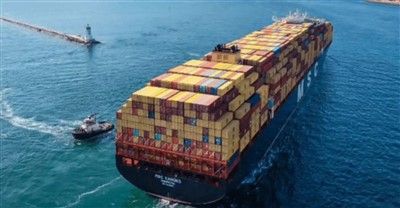
Less-than-Container Load (LCL) shipping is a great solution for businesses with smaller shipments that don't fill a full container. Unlike Full Container Load (FCL) where a container is dedicated to a single shipper, LCL shipments are consolidated with other shipments to maximize container space. At Zhejiang Wilson Supply Chain Management Co., Ltd., we offer reliable and efficient LCL ocean freight services that allow you to save on shipping costs without compromising security or efficiency.

What is shipping LCL?
Less-than-Container Load (LCL) refers to a type of sea freight service where a shipper shares container space with other shippers. Instead of filling an entire container, LCL shipments are consolidated with goods from other businesses, allowing you to pay only for the space your goods occupy. LCL is ideal for smaller shipments, as it is more cost-effective for cargo that doesn't need a full container.
Types of shipping Containers
|
Container Type |
Dimensions (Length x Width x Height) |
Capacity (CBM) |
Common Use |
|
20' Standard Container |
5.89m x 2.35m x 2.39m |
33.08 CBM |
Small to medium-sized shipments |
|
40' Standard Container |
12.03m x 2.35m x 2.39m |
67.56 CBM |
Larger shipments, often for bulk goods |
|
40' High Cube Container |
12.03m x 2.35m x 2.69m |
76.04 CBM |
Shipments requiring extra height (ideal for taller cargo) |
|
Specialized Containers |
Varies based on type |
Varies by type |
Includes open-top, flat-rack, refrigerated containers, etc. |

Why Choose shipping LCL?
Advantages:
- Cost-Effective for Smaller Shipments: LCL is the best choice for businesses that don't have enough cargo to fill an entire container. You only pay for the space your goods occupy, which reduces costs.
- Flexibility: LCL allows for flexible shipping arrangements, especially if you need to ship goods to multiple destinations. This means you can consolidate shipments going to the same region into a single container.
- Reduced Risk of Overpaying: If you don't have enough volume for FCL, LCL ensures you aren't paying for unused container space.
Disadvantages:
- Longer Transit Time: LCL shipments involve additional time for consolidating and deconsolidating cargo, which can result in longer delivery times compared to FCL.
- Increased Handling: Since LCL shipments are combined with other goods, there is more handling involved, which may increase the risk of damage or delays.
How is LCL Freight Calculated?
- Cargo Volume: The primary factor is the volume your shipment occupies in the container, typically measured in cubic meters (CBM).
- Destination and Origin Ports: LCL rates vary depending on the origin and destination ports, as well as the specific route.
- Consolidation Fees: Additional costs may be added for the consolidation of goods at the port.
- Handling Fees: LCL shipments often incur extra charges for loading, unloading, and sorting cargo, as goods are handled more frequently than in FCL shipments.
- Customs Fees: Like FCL, LCL shipments are subject to customs clearance, including duties and taxes, depending on the destination country.

Why Choose Us for LCL Shipping?
At Zhejiang Wilson Supply Chain Management Co., Ltd., we specialize in LCL ocean freight solutions that help businesses optimize shipping costs while maintaining high security and reliability. Our advantages include:
- Global Reach and Expertise: We provide LCL shipping services to and from all major ports worldwide, leveraging our vast network to offer competitive rates and efficient service.
- Consolidation Efficiency: Our expert team ensures that your cargo is consolidated with other shipments to optimize container space, reducing costs and improving shipping efficiency.
- Real-Time Tracking: We provide end-to-end tracking for your LCL shipments, allowing you to monitor the status of your cargo throughout the journey.
- Cost-Effective and Transparent Pricing: We offer transparent pricing with no hidden fees, helping you plan and manage your logistics costs with confidence.
Our Other Services
In addition to LCL shipping, we offer a comprehensive range of logistics services:
- FCL Shipping
- Air Freight Services
- Multimodal Transport Solutions
- Customs Clearance and Documentation Services
- Container Leasing and Management
- Warehousing and Inventory Management
- Supply Chain Consulting and Optimization

LCL Ocean Freight
Get in touch with our sea freight experts now to discuss your requirements and receive a quick quote while you're at it!
FAQ
Q: 1. We are the consignee from the United States and only have 0.5CBM of goods. Can we ship them by sea.
A: If you are not in a hurry to receive this batch of goods, or if the value of this batch of goods is relatively low, we recommend that you use LCL Ocean Freight for transportation. His cost will be lower than that of express delivery and air freight, which reduces your procurement cost and makes the product competitive. You don't need to worry about the safety of the goods. We will promptly notify you of the situation of the goods. When they arrive at the destination port, our local partners will also contact you as soon as possible to assist you in customs clearance and pick-up.
Q: 2. Is it possible for LCL Ocean Freight to have a long voyage.
A: The length of the LCL Ocean Freight voyage depends on the port's position in trade. For example, our transportation to New York, USA will be the same as FCL's transportation. For example, when we transport to some remote small economies or countries, because there are not enough scattered goods to collect at the destination port, we have to send them to the distribution center in this area and then redistribute them, which makes the entire process very long. For example, some Caribbean countries may take around 90 days to arrive,
Q: 3. Will there be cargo allocation errors in LCL Ocean Freight?
A: LCL Ocean Freight may cause errors in the distribution of goods due to the wide variety of products. So before you deliver the goods, it is necessary to register the shipping mark of the goods and attach specific and easily recognizable labels. And it can be marked on the bill of lading so that LCL company can accurately distinguish the goods.
Q: 4. How is LCL different from FCL?
A: LCL involves sharing container space with other shippers, while FCL is for shipments that fill an entire container.
Q: 5. What types of goods can be shipped via LCL?
A: LCL is ideal for smaller volumes of cargo, such as boxes, pallets, and light cargo.
Q: 6. How long does LCL shipping take?
A: LCL shipments usually take longer than FCL due to the consolidation process, with transit times ranging from 25 to 45 days depending on the route.
Q: 7. Are there any restrictions for LCL shipments?
A: LCL shipments have restrictions on certain cargo types, such as hazardous materials or oversized items.
Q: 8. What is the minimum volume required for LCL?
A: LCL shipments can start from as little as 1 CBM, making it ideal for businesses with small volumes of goods.
Hot Tags: lcl ocean freight, price, cheap, cost, quote, service, provide, forwarder, company, Vegetable Cold Chain Logistics, Sea Freight from China To Somalia, Shipping Lithium Batteries By Air, Sea Freight Chemical Fertilizer, Chemical Air Freight, Rail Freight Transport from China