China is one of the major global exporters of fertilizers. Understanding the process of transporting fertilizers from China and the relevant regulations will help you better complete your project. As a leading freight forwarding company specializing in Fertilizer Shipping , Zhejiang Wilson assists numerous agricultural product importers, supply chain managers, and fertilizer distributors in importing high-quality fertilizers from China. In this guide, we will provide you with all the necessary information on transporting fertilizer products from China. Keep reading to learn more.

Why Choose China for Fertilizer Procurement?
China is a powerhouse in the global fertilizer market, contributing over 30% of the world's fertilizer production. With competitive pricing and a diverse range of fertilizer products like urea, ammonium sulfate, diammonium phosphate (DAP), potassium sulfate, and organic fertilizers, China remains a top choice for importers worldwide. In 2020, China's fertilizer exports reached $2.3 billion, with key markets in India, Vietnam, and Indonesia. Despite tightened regulations in 2024, such as an 83% drop in urea exports to stabilize domestic prices, China's fertilizer producer network continues to meet international demand with high-quality chemical fertilizers and innovative solutions like slow-release and compound fertilizers.
Choosing China means tapping into a robust supply chain with vast production capacity. However, successfully importing fertilizers requires staying informed about regulations, logistics, and quality control.
China's Fertilizer Export Landscape and Product Types
Recent Trends and Policy Changes
China's fertilizer export market has faced stricter controls in recent years. In 2024, export quotas, particularly for urea, were tightened to prioritize domestic agricultural needs. Despite this, China remains a dominant player, exporting to regions like Southeast Asia, North America, and Europe. Understanding these trends is crucial for importers planning their sourcing strategy.
Popular Fertilizer Products
China exports a wide range of fertilizers tailored to various agricultural needs:
- Urea: Nitrogen-rich, ideal for field crops like corn and wheat.
- Ammonium Sulfate: Supplies nitrogen and sulfur, perfect for crops like peanuts and cotton.
- Diammonium Phosphate (DAP): Phosphorus-rich, supports robust root development.
- Potassium Chloride and Potassium Sulfate: Provide essential potassium for crop resilience.
- Compound, Organic, and Slow-Release Fertilizers: Customized nutrient blends for sustainable farming.
Each fertilizer type has unique handling and shipping requirements, which we'll cover in detail below.

Fertilizer Export and Import Regulatory Requirements
Chinese Export Regulations
Exporting fertilizers from China involves strict compliance with national regulations:
- Product Registration: Fertilizers must be registered at the ministerial or provincial level.
- Labeling Standards: Compliance with GB 18382-2021 for clear and accurate labeling.
- Export Licenses: Required for restricted fertilizers like ammonium nitrate or urea under export quotas.
- Phytosanitary Certificates: Mandatory for organic fertilizers to ensure compliance with plant health standards.
Import Country Requirements
Importers must also meet destination-specific regulations, which may include:
- Phytosanitary Certificates: Required for organic or plant-based fertilizers.
- Product Registration: Necessary in countries with strict agricultural oversight.
- Environmental and Safety Assessments: Compliance with local chemical and soil regulations.
- Customs Clearance: Accurate HS code classification and detailed product descriptions to avoid delays.
At Zhejiang Wilson, we ensure full compliance with both Chinese and international regulations, streamlining customs clearance for your shipments.
Fertilizer Classification and Transportation Requirements
Harmless vs. Hazardous Fertilizers
Fertilizers are classified as either harmless or hazardous, impacting transportation protocols:
- Harmless Fertilizers: Includes most NPK fertilizers, organic fertilizers, and compound blends, which can be shipped via standard cargo channels.
- Hazardous Fertilizers: Products like ammonium nitrate or certain phosphate-based fertilizers fall under the IMDG (International Maritime Dangerous Goods) Code. These require:
- Dangerous Goods Declaration
- Safety Data Sheets (SDS)
- Certified packaging and handling
- Emergency response plans
Handling Non-Hazardous Fertilizers
Even harmless fertilizers, like urea, are prone to moisture absorption and caking. To mitigate this:
- Use moisture-resistant packaging materials.
- Apply anti-caking agents or desiccants.
- Ensure compatibility between fertilizers to prevent chemical reactions or cross-contamination.
Our team at Zhejiang Wilson is trained to handle both harmless and hazardous fertilizers, ensuring safety and compliance throughout the shipping process.

Fertilizer Packaging and Container Requirements
Proper packaging is critical to protect fertilizers during transit and prevent issues like caking, contamination, or leakage.
Common Packaging Types
- Standard Bags (25–50kg): Ideal for retail and small-scale shipments.
- Bulk Bags (FIBC, 500–1000kg): Cost-effective for large-volume shipments.
- Liquid Containers: Used for liquid fertilizers or temperature-sensitive products.
- Specialized Containers: Required for hazardous or hygroscopic fertilizers, including temperature-controlled options.
Container Loading Best Practices
- Weight Distribution: Evenly distribute cargo to prevent shifting during transit.
- Moisture Protection: Use desiccants and ventilated containers to combat humidity.
- Temperature Control: Essential for sensitive fertilizers to maintain product integrity.
- Secure Loading: Prevent cargo movement to avoid structural damage or spills.
Fertilizer Recommended Transportation Methods
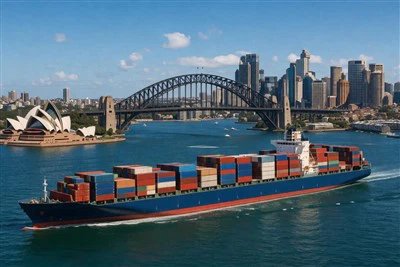
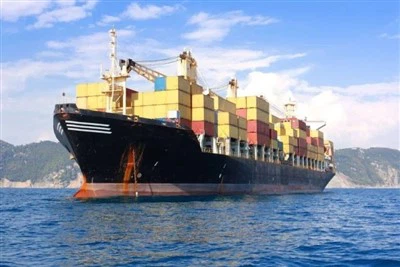
Sea freight is the most cost-effective and widely used method for shipping fertilizers from China. Options include:
- Full Container Load (FCL): Offers better security and is ideal for bulk shipments.
- Less than Container Load (LCL): Economical for smaller quantities but requires careful packaging to avoid contamination.
Major Chinese Export Ports
- Shanghai Port: A global container hub with extensive connectivity.
- Ningbo-Zhoushan Port: Known for bulk handling and proximity to fertilizer producers.
- Tianjin Port: Serves northern China with strong rail freight connections.
- Qingdao Port: Experienced in agricultural exports.
- Guangzhou Port: A southern gateway for Southeast Asian markets.
Transit Times
Estimated shipping durations from China:
- Southeast Asia: 5–10 days
- Australia: 10–15 days
- North America: 14–21 days
- Europe: 20–30 days
Delays may occur during peak seasons like Chinese New Year, monsoon periods, or agricultural harvest times. Our real-time tracking system keeps you informed of your shipment's status.
Documentation for Fertilizer Shipping and Customs Clearance
Accurate documentation is essential for smooth exporting and importing processes. Required documents include:
- Commercial Invoice: Details the transaction and product value.
- Packing List: Specifies cargo contents and packaging.
- Export License: Required for controlled fertilizers.
- Certificate of Origin: Verifies the product's Chinese origin.
- Phytosanitary Certificate: Mandatory for organic fertilizers.
- Dangerous Goods Declaration and SDS: For hazardous fertilizers.
- Bill of Lading: Proof of shipment for sea freight.
- Test Reports and Quality Certificates: Confirm product specifications.
- HS Code Classification: Ensures accurate customs declarations.
Our team at Zhejiang Wilson handles all documentation, ensuring compliance and minimizing delays during customs clearance.

Quality Control and Pre-Shipment Inspection
Quality assurance is critical to meet both regulatory and customer expectations. Pre-shipment testing includes:
- Chemical Composition Analysis: Verifies nutrient content (e.g., nitrogen, phosphorus, potassium).
- Physical Testing: Assesses moisture levels, granule size, and hardness.
- Contamination Screening: Checks for heavy metals or impurities.
- Packaging Inspection: Ensures proper sealing, labeling, and durability.
We recommend third-party inspection services like SGS, Bureau Veritas, or Intertek for independent verification, reducing import risks and ensuring product integrity.
Fertilizer Shipping Cost Components and Expense Management
Freight-Related Costs
Shipping costs depend on several factors:
- Cargo Volume and Weight: Larger shipments may qualify for bulk discounts.
- Shipping Mode: Sea freight is more cost-effective than express air freight.
- Port Fees and Surcharges: Includes fuel surcharges (BAF) and local handling fees.
- Seasonal Fluctuations: Peak seasons may increase rates due to capacity constraints.
Additional Costs
- Customs Clearance and Documentation: Fees for paperwork and compliance.
- Dangerous Goods Surcharges: Applied to hazardous fertilizers.
- Warehousing and Handling: For storage or special handling requirements.
- Cargo Insurance: Covers risks like moisture damage, theft, or delays.
At Zhejiang Wilson, we leverage our carrier partnerships to offer competitive rates and optimize cost-effectiveness for your fertilizer shipments.
Common Risks and Insurance Solutions
Fertilizer shipping involves risks such as:
- Moisture Absorption: Leads to caking, especially for urea or ammonium sulfate.
- Cross-Contamination: Mixing incompatible fertilizers can cause chemical reactions.
- Theft or Pilferage: Common in high-value cargo.
- Delays: Due to weather, customs, or seasonal factors.
To mitigate these, we recommend:
- Marine Cargo Insurance: Covers damage or loss during transit.
- Contamination/Damage Insurance: Protects against quality degradation.
- Delay Insurance: For time-sensitive shipments.
- War Risk Insurance: For routes through high-risk regions.
Why Choose Zhejiang Wilson Supply Chain Management Co., Ltd.?
Navigating the complexities of fertilizer shipping requires a reliable freight forwarder with specialized expertise. Here's why Zhejiang Wilson is your ideal partner:
- Expertise in Fertilizer Transport: Over a decade of experience handling both harmless and hazardous fertilizers, including ammonium nitrate and potassium sulfate.
- Comprehensive Services: From pickup to delivery, we manage documentation, customs clearance, and compliance with international standards.
- Global Reach with Local Expertise: Our offices in Ningbo, Shanghai, Shenzhen, and Hong Kong provide seamless access to key markets in Southeast Asia, Europe, Africa, and beyond.
- Regulatory Compliance: We stay updated on Chinese export laws and destination country requirements, ensuring hassle-free customs clearance.
- Cost-Effective Solutions: Our carrier network and optimized logistics deliver competitive rates without compromising quality.
- Real-Time Tracking: Monitor your shipment's progress with our end-to-end visibility system, ensuring transparency and peace of mind.
Conclusion
Fertilizers provide essential nutrients such as nitrogen (N), phosphorus (P), and potassium (K) to plants, and have been crucial for enhancing global agricultural productivity for decades. Shipping fertilizers from China is a complex but manageable process with the right preparation and logistics partner. From understanding regulatory requirements to choosing the right packaging, transportation mode, and insurance, every step demands attention to detail. Zhejiang Wilson Supply Chain Management Co., Ltd., with over ten years of experience in sea transportation of fertilizers, understands all the processes of fertilizer transportation and helps enterprises export fertilizers from China to all over the world. Now contact us to learn about our fertilizer sea transportation services . ( gm@wilson-cargo.com )