Fertilizers provide plants with essential nutrients such as nitrogen (N), phosphorus (P), and potassium (K), and have been crucial for enhancing global agricultural productivity for decades. In the global trade in recent years, the demand for fertilizers has increased significantly. Especially since the middle of the 20th century, industrialized agricultural methods have led to an increase in the demand for fertilizers. Some countries have to rely on imported fertilizers to support agricultural production due to limited domestic output or the inability to produce high-quality fertilizers by themselves. As the largest producer, exporter and consumer of fertilizers, China plays a significant role in the global fertilizer trade. Zhejiang Wilson Supply Chain Management Co., Ltd. has over ten years of experience in maritime transportation of chemical fertilizers, understands all the processes of chemical fertilizer transportation, and helps enterprises export chemical fertilizers from China to the whole world.

Types of Fertilizers
There are several types of fertilizers, each with distinct characteristics and uses:
- Nitrogen Fertilizers: These are the most commonly used fertilizers, providing plants with the nitrogen they need for healthy leaf and stem growth. Examples include ammonium nitrate, urea, and ammonium sulfate.
- Phosphatic Fertilizers: These fertilizers supply phosphorus, which is crucial for root development and flowering. Common examples include single superphosphate (SSP) and triple superphosphate (TSP).
- Potash Fertilizers: Potassium is essential for overall plant health, and potash fertilizers are used to provide this nutrient. They are often used to improve disease resistance and enhance the quality of crops.
- Calcium Fertilizers: These help in maintaining the proper pH levels in the soil and are often used for correcting soil acidity. Examples include lime and gypsum.
- Sulfur Fertilizers: These are used primarily for crops that require a high amount of sulfur, such as legumes. Sulfur is also important in protein synthesis for plants.
Each type of fertilizer plays a specific role in plant nutrition and is tailored to different soil conditions and crop requirements.

Challenges in Fertilizer Transportation
Transporting fertilizers, particularly in bulk, presents several challenges due to their chemical composition, volume, and the need for compliance with international safety standards. Some of the common challenges include:
- Hazardous Materials Handling: Certain fertilizers, such as ammonium nitrate, can be classified as hazardous materials and require specialized handling. Proper labeling, storage, and documentation are critical to ensure safety during transit.
- Environmental Impact: Fertilizers can be sensitive to moisture and temperature changes. For example, some fertilizers may become compacted or degraded if exposed to humid conditions, requiring proper storage and transport conditions.
- Regulatory Compliance: Fertilizer transportation is subject to a wide range of international regulations, including those set by the International Maritime Organization (IMO) for dangerous goods. Ensuring compliance with these regulations requires meticulous planning and documentation.
- Timely Delivery: Fertilizers are often needed during specific planting seasons, so timely delivery is critical to ensure that agricultural production is not delayed.
Why Choose Sea Freight for Fertilizer Transport
- Cost-effectiveness: The cost of transporting fertilizers by sea is relatively low, allowing for large-scale transportation. Especially when transporting bulk or large quantities of fertilizers, sea transportation is more cost-effective compared to air transportation or other modes of transportation.
- Large transportation volume: As agricultural products, fertilizers are usually purchased in large quantities at one time. Shipping has a larger carrying capacity and can transport more fertilizers at one time.
- Safe handling: The storage conditions for fertilizers are relatively strict. High-quality freight companies will carry out special storage treatments for fertilizers to ensure their safe handling. This includes using appropriate containers, proper storage conditions and adhering to safety regulations to prevent accidents or damage during transportation.
- Environmental considerations: Compared with air transportation, sea transportation is usually regarded as a more environmentally friendly option. Maritime fertilizers help reduce the carbon footprint during transportation.
Our Sea Freight Fertilizer Service Process
At Zhejiang Wilson Supply Chain Management Co., Ltd., we ensure a seamless and efficient sea freight process for transporting fertilizers. Our service process is designed to provide end-to-end solutions, ensuring that your fertilizer shipments reach their destination safely, on time, and in compliance with all international regulations.
Step 1: Pickup and Initial Handling
- We begin by scheduling a pickup from your location, ensuring that the fertilizers are properly packed and secured for transport.
- Our team performs a thorough inspection to ensure that the cargo complies with all safety and regulatory standards.
Step 2: Documentation and Compliance
- We handle all the necessary documentation, including customs clearance, permits, and safety data sheets (SDS) required for hazardous materials.
- Our experienced team ensures that all fertilizers are classified correctly according to international regulations (IMDG Code), avoiding potential delays.
Step 3: Port Handling and Loading
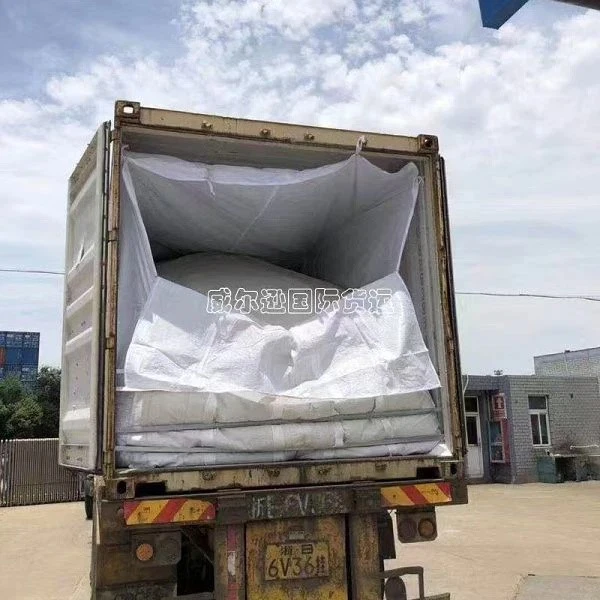
- Once the fertilizers arrive at the designated port, our team oversees the loading process, ensuring proper stowing in the container. This is particularly important for bulk fertilizers, as improper stowage can lead to product damage.
- We ensure that the cargo is correctly labeled and marked to comply with international shipping and hazardous materials regulations.
Step 4: Sea Freight Transportation
- Fertilizers are then shipped by sea using our reliable carriers. Depending on the destination, we choose the most suitable shipping route and vessel.
- We use specially designed containers for fertilizers, ensuring the products are protected from moisture and other environmental factors.
Step 5: Customs Clearance and Delivery
- Upon arrival at the destination port, we handle all import customs clearance procedures, ensuring that your fertilizers clear customs smoothly and without delay.
- We offer flexible delivery options, including direct delivery to the consignee's warehouse or further inland transportation via our well-established logistics network.
Step 6: Final Delivery and Inspection
- Upon delivery, we perform a final inspection to ensure the products are in the expected condition, and we offer assistance with unloading and final distribution.
Why Choose Us for Your Fertilizer Sea Freight Needs
At Zhejiang Wilson Supply Chain Management Co., Ltd., we understand the complexities involved in fertilizer transportation and offer a comprehensive solution for all your sea freight needs. Here are the key reasons why choosing us ensures a smooth and efficient shipping experience:
- Expertise in Fertilizer Transport:
With over a decade of experience in global logistics, we specialize in the transportation of fertilizers, including hazardous materials such as ammonium nitrate and urea. Our team is well-versed in the regulations and safety protocols for handling and shipping these products.
- Comprehensive Service Offering:
From the initial pickup to the final delivery, we manage every aspect of your fertilizer transport. We offer flexible shipping options and handle all necessary documentation, including customs clearance and safety compliance.
- Global Reach with Local Expertise:
With our network of offices in major ports like Ningbo, Shanghai, Shenzhen, and Hong Kong, we provide efficient access to key international markets. Our team is familiar with the specific needs of customers across various regions, from Southeast Asia to Europe and Africa.
- Regulatory Compliance and Safety:
We take regulatory compliance seriously and ensure that all fertilizers are handled in accordance with international standards. Our team stays updated with changing regulations, ensuring that your shipment complies with all necessary laws and guidelines.
- Cost-Efficiency:
By leveraging our extensive network and partnerships with trusted carriers, we offer competitive rates for fertilizer sea freight, ensuring that you receive the best value for your logistics needs.
- Real-Time Tracking and Visibility:
We provide end-to-end visibility of your fertilizer shipments through our tracking system. This allows you to monitor your shipment's progress in real time, ensuring transparency and peace of mind.

Sea Freight Chemical Fertilizer
Get in touch with our sea freight experts now to discuss your requirements and receive a quick quote while you're at it!

Which Countries Need to Import Fertilizers
Fertilizers are essential for agricultural production worldwide, and several countries rely heavily on imports to meet their agricultural needs. Some of the top fertilizer importers include:
- India: As one of the world's largest agricultural producers, India imports significant quantities of fertilizers to support its large-scale farming operations.
- Brazil: With a thriving agricultural sector, Brazil is a major importer of fertilizers, particularly nitrogen and potash.
- China: Despite being a major producer of fertilizers, China also imports certain types of fertilizers, such as potash and phosphate, to meet the demands of its agricultural industry.
- United States: The U.S. is a major importer of fertilizers, especially for its large-scale agricultural production.
- South East Asian countries: Countries like Indonesia, Vietnam, and Thailand import fertilizers to support their growing agricultural sectors.
- African nations: Countries such as Nigeria and Egypt rely on fertilizer imports to boost their agricultural productivity.
These countries depend on a steady supply of fertilizers to ensure that their agricultural industries remain competitive and productive.
FAQ
Q: 1. What types of fertilizers can you ship?
A: We specialize in the sea freight of all types of fertilizers, including nitrogen, phosphatic, potash, sulfur-based, and complex blends. We also handle hazardous fertilizers, such as ammonium nitrate and urea, in compliance with international safety standards.
Q: 2. How long does it take to ship fertilizers by sea?
A: The transit time for sea freight depends on the origin and destination. On average, sea freight for fertilizers takes between 25 to 40 days, depending on the specific route and port congestion.
Q: 3. Do you handle hazardous fertilizers?
A: Yes, we have the expertise to handle hazardous fertilizers, such as ammonium nitrate and urea, in accordance with international regulations. Our team ensures that all necessary safety procedures and documentation are followed.
Q: 4. How do you ensure the safety of my fertilizer shipments?
A: We use specially designed containers for fertilizer shipments, ensuring they are properly stowed and protected from moisture, temperature changes, and other environmental factors. We also comply with all international safety regulations to minimize the risk of damage.
Q: 3. Can you help with customs clearance?
A: Yes, we provide full customs clearance services for both export and import, ensuring that your fertilizers clear customs smoothly and promptly.
Q: 4. Can I track my fertilizer shipment?
A: Yes, we provide real-time tracking of all shipments, so you can monitor the progress of your fertilizer delivery from the port of departure to the final destination.
Q: 7. What are the five major types of fertilizers?
A: The five major types of fertilizers are:
● Nitrogen Fertilizers: Essential for leaf and stem growth (e.g., ammonium nitrate, urea).
● Phosphatic Fertilizers: Vital for root development (e.g., single superphosphate, triple superphosphate).
● Potash Fertilizers: Important for overall plant health and disease resistance (e.g., potassium chloride, potassium sulfate).
● Calcium Fertilizers: Used to correct soil acidity and improve plant strength (e.g., lime, gypsum).
● Sulfur Fertilizers: Crucial for plants like legumes (e.g., ammonium sulfate).
Q: 8. What category do fertilizers fall under in freight shipping?
A: Fertilizers typically fall under the category of bulk cargo or hazardous goods depending on their chemical composition. While most fertilizers are classified as non-hazardous bulk cargo, certain fertilizers like ammonium nitrate and urea are considered hazardous and require special handling, documentation, and compliance with safety regulations.
Q: 9. What are the requirements of shipping companies for the export of fertilizers, and are they considered dangerous goods?
A: Usually, we use chemical transportation identification certificates, MSDS, and other materials to determine whether the goods belong to DG cargo. Usually, the vast majority of fertilizers belong to ordinary products and can be processed as ordinary goods. But there are also cases like Potassium nitrate that require transportation based on Class 5.1 DG cargo.
Q: 10. Fertilizer is usually produced in large quantities. How can ship owners solve the problem of transportation capacity?
A: As you may be concerned, fertilizers are large quantities of goods, usually purchased in minimum units of 500T, with some orders even exceeding tens of thousands of tons. For transportation, it is a major project, so when we provide transportation solutions, we will strictly control the process and try to avoid the impact of unexpected factors on costs. Due to the large amount of goods, the loading capacity of each container is around 27T, almost reaching the highest standard for containers. So transportation is a test, if you have such concerns, then let's talk about it.
Hot Tags: sea freight chemical fertilizer, price, cheap, cost, quote, service, provide, forwarder, company