Fertilizers are an important factor in agricultural development. With the advancement of fertilizer technology, fertilizers have been divided into numerous categories, mainly classified as Harmless Fertilizers and Hazardous Fertilizers. For enterprises engaged in international trade and logistics, understanding the differences between these two types of fertilizers is crucial for ensuring safe, compliant, and efficient transportation. Zhejiang Wilson Supply Chain Management Co., Ltd. (Wilson), as a leader in the field of chemical logistics, has over ten years of experience and focuses on providing customized and safe transportation solutions for fertilizer transportation. This article delves into the characteristics, transportation requirements, and environmental impacts of harmless fertilizers and hazardous fertilizers, helping you make informed logistics decisions.
The Core Differences Between Harmless and Hazardous Fertilizers
Harmless Fertilizers: A Safe Foundation for Agriculture
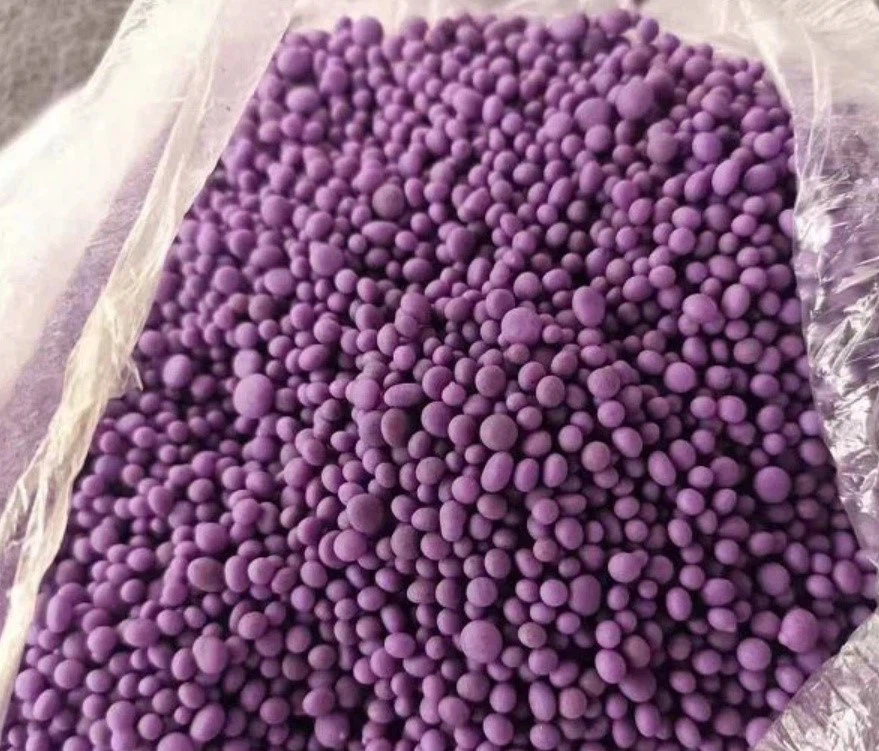
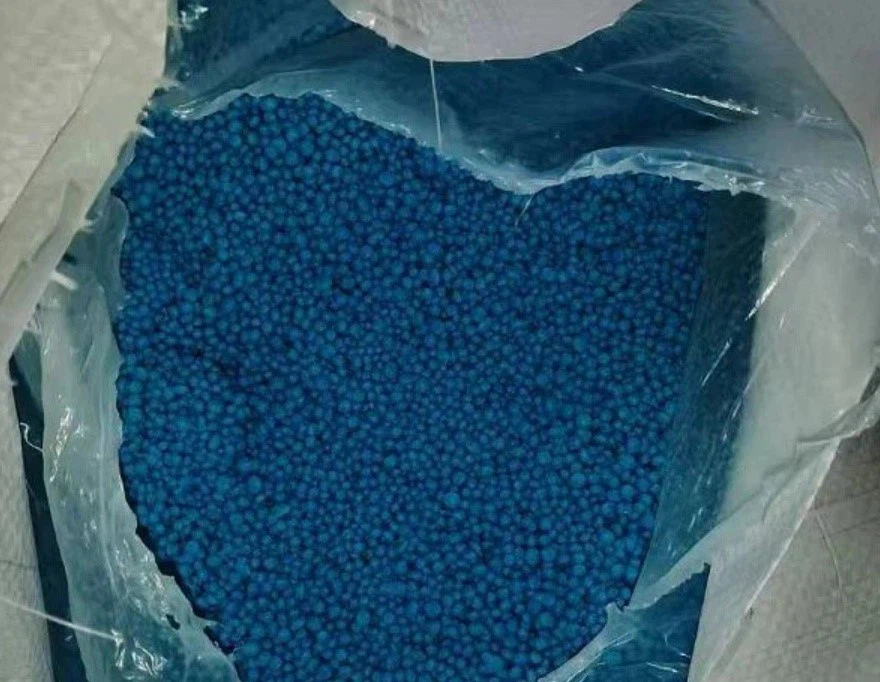
Harmless fertilizers, often referred to as bulk harmless fertilizers, dominate international trade. These fertilizers typically contain standard nutrients like nitrogen, phosphorus, and potassium (NPK) in stable compositions, posing minimal risk during transportation and requiring no special hazardous materials documentation. Common examples include sulfur, phosphates, potash, and urea. For instance, Canada and Russia are leading exporters of potash, while India and the United States are major importers.
Notably, harmless fertilizers also encompass organic fertilizers, such as those made from compost, manure, or bone meal. These natural products enhance soil structure, boost organic matter content, and promote microbial activity, making them safer for pets and children . Their slow-release nature ensures gradual nutrient delivery, minimizing long-term harm to soil and water bodies.
Hazardous Fertilizers: High-Risk Materials Requiring Caution
In contrast, hazardous fertilizers contain components that pose risks to health, safety, or the environment. The most prominent example is ammonium nitrate, a widely used nitrogen source in agriculture that doubles as a potential explosive (classified as a Class 5.1 oxidizer by the UN). Improper storage or handling of high-concentration ammonium nitrate can lead to safety incidents. Additionally, some chemical fertilizers or synthetic fertilizers with high levels of nitrogen, phosphorus, or potassium may contaminate water bodies through runoff, posing environmental threats.
Interestingly, not all ammonium nitrate-based fertilizers are classified as hazardous. Those with lower concentrations or stabilizing compounds may be deemed harmless. This nuance underscores the need for thorough composition analysis before shipping.
Wilson has observed that many clients misunderstand fertilizer classifications. For example, some "organic" labeled fertilizers may contain trace chemical components, requiring handling as chemical fertilizers. We recommend clients provide detailed Safety Data Sheets (SDS) to ensure accurate classification.
Shipping Requirements: From Packaging to Compliance
Harmless Fertilizers: Flexible Yet Moisture-Sensitive
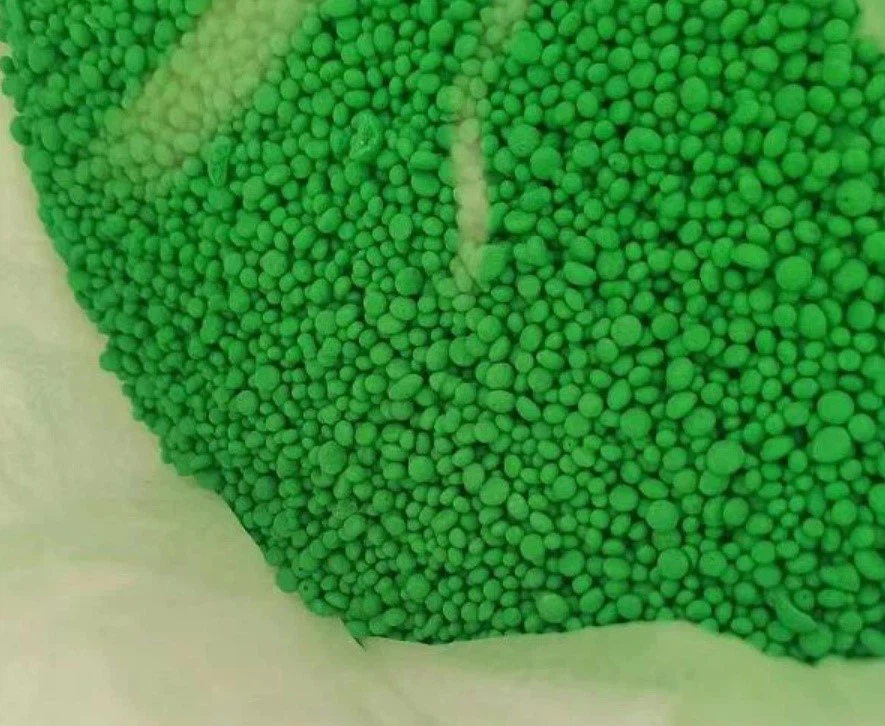
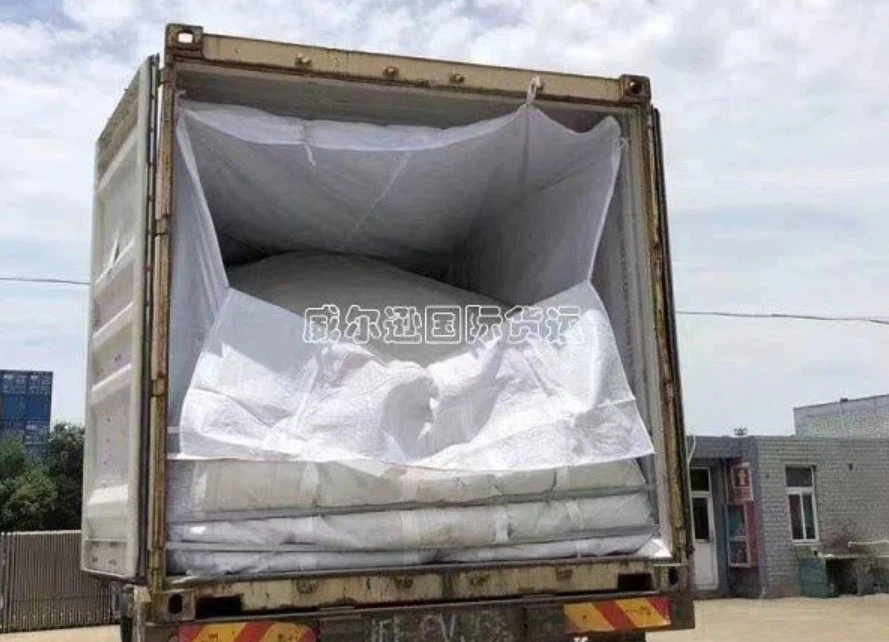
Transporting harmless fertilizers is relatively straightforward, typically involving polythene or woven polypropylene bags or bulk shipments. However, precautions are needed to prevent moisture-related issues. For instance, urea and potash are prone to coagulation or compaction in humid conditions, which can compromise quality and cause issues like equipment damage or reduced application efficiency for farmers.
Wilson addresses these challenges with advanced air-drying systems to ensure cargo is dry before loading. Leveraging partnerships with top-tier shipping lines like COSCO and MSC, we secure reliable capacity and optimized routes across Southeast Asia, India-Pakistan, the Middle East, and Africa, ensuring timely and safe delivery.
Hazardous Fertilizers: Rigorous Compliance is Paramount
Shipping hazardous fertilizers demands adherence to stringent international regulations, such as the International Maritime Organization's IMDG Code. For ammonium nitrate, this includes isolating it from incompatible materials (e.g., urea), maintaining controlled temperature and humidity, and ensuring proper ventilation. Packaging must meet global standards, with clear hazard labels and accompanying documents like dangerous goods declarations, SDS, and UN numbers.
Wilson excels in handling hazardous fertilizers like ammonium nitrate and potassium nitrate (Class 5.1). Our team manages everything from pre-shipment declarations (five days in advance) to seamless customs clearance, ensuring "container pickup upon landing." For example, we successfully transported ammonium sulfate for a major Chinese listed company, mitigating risks from improper humidity control.
Wilson recognizes that regional regulations vary significantly. The EU imposes strict rules on ammonium nitrate storage and transport, while Asia-Pacific requirements differ by country. Our team customizes solutions to meet destination-specific standards, preventing costly delays.
Environmental and Safety Considerations: Balancing Benefits and Risks
Harmless Fertilizers: Champions of Sustainable Agriculture
Harmless fertilizers, particularly organic fertilizers, have a lower environmental footprint. By enhancing soil structure and organic matter, they support long-term soil health and microbial activity . They also reduce the risk of chemical runoff into water bodies, safeguarding aquatic ecosystems. Their pet- and child-friendly nature makes them a preferred choice for safety-conscious users.
Hazardous Fertilizers: Environmental Challenges
Chemical fertilizers and synthetic fertilizers, due to their fast-acting nature, can harm the environment if misapplied. Runoff into water bodies may lead to eutrophication, disrupting aquatic ecosystems . Hazardous components like ammonium nitrate pose additional risks, as leaks during transport or storage could trigger safety incidents or environmental contamination.
Choosing the Right Fertilizer Shipping Solution
Selecting an effective fertilizer shipping strategy requires careful consideration of fertilizer type, distance, regulations, and cost. Here are practical tips:
- Identify Fertilizer Type: Whether organic, inorganic, or hazardous, accurate classification is key. Wilson offers free composition analysis to ensure compliance.
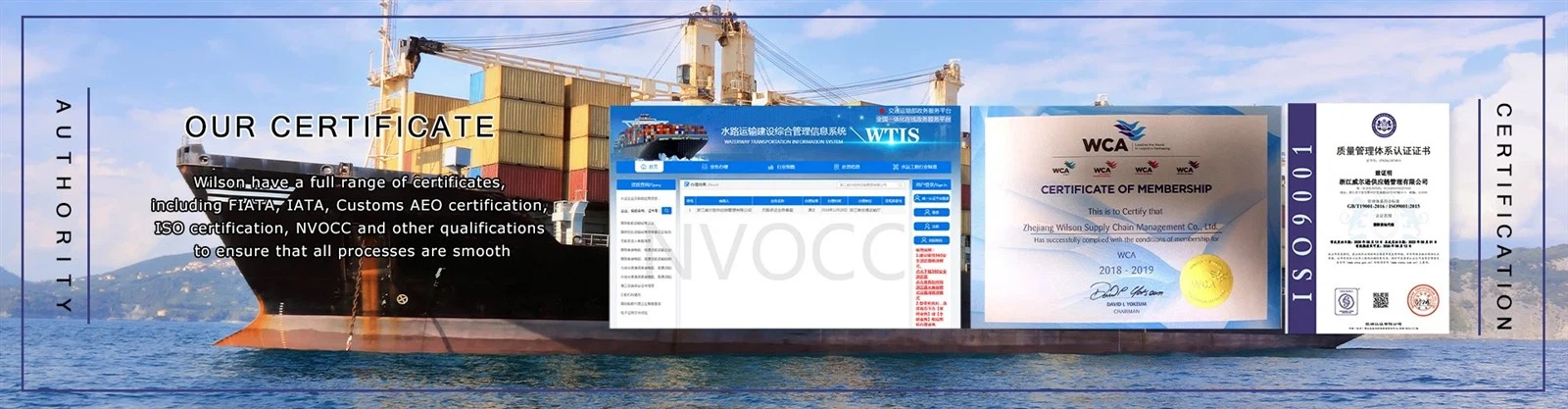
- Partner with Experts: Hazardous fertilizers demand specialized expertise. Wilson's FIATA and AEO certifications, coupled with experience in handling ammonium nitrate and ammonium sulfate, ensure seamless transport across global markets.
- Prioritize Compliance and Efficiency: Adhering to IMDG and regional regulations while streamlining customs processes is critical. Wilson's pre-declaration and real-time tracking systems guarantee efficiency.
- Embrace Sustainability: Opt for partners committed to green logistics. Wilson's eco-conscious approach supports long-term environmental goals.
- Case Study: In 2024, Wilson delivered 700 TEUs of harmless fertilizers, including phosphates and urea, to Kenya's LAMU shipping line, meeting stringent local regulations and deadlines. This showcases our robust global logistics network.
Conclusion: Partner with Wilson for Safe Fertilizer Transport
Understanding the distinctions between harmless and hazardous fertilizers is essential for safe and efficient logistics. Organic fertilizers promote sustainable agriculture with minimal environmental impact, while chemical fertilizers and hazardous materials like ammonium nitrate require rigorous compliance. Choosing a trusted logistics partner can mitigate risks and enhance business value.
With over a decade of expertise in chemical logistics, Zhejiang Wilson Supply Chain Management Co., Ltd. offers end-to-end solutions, from consultation to delivery. Our global network, professional team, and commitment to green logistics ensure your fertilizer shipments are safe, compliant, and eco-friendly. Contact us today to learn more about our fertilizer shipping services . ( gm@wilson-cargo.com )