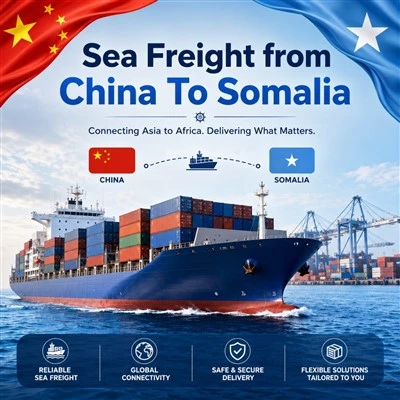
The sea freight forwarding industry is a cornerstone of global trade, enabling the movement of goods between manufacturers, suppliers, and consumers across international markets. As global supply chains grow more complex and interconnected, sea freight forwarders play a crucial role in ensuring efficiency, reliability, and compliance.
However, companies operating in the sea freight forwarding industry face a wide range of challenges that directly impact costs, service quality, and long-term competitiveness. Understanding these challenges is essential for logistics professionals, shippers, and decision-makers seeking reliable freight forwarding partners. This article explores the key challenges currently shaping the sea freight forwarding industry.

Trade Frictions and Geopolitical Uncertainty
Trade frictions and geopolitical tensions remain one of the most significant challenges for sea freight forwarding companies. Shifts in international trade policies, sanctions, and regional conflicts create uncertainty across global shipping networks.
Key impacts include:
- Contractual risk and uncertainty: Sudden policy changes can disrupt long-term freight contracts, leaving forwarders caught between shippers and carriers .
- Higher operational costs: Tariffs, customs duties, and compliance adjustments often increase costs that are difficult to fully pass on to customers.
- Route and port disruptions: Shipping lines may alter routes or avoid specific regions, leading to longer transit times and complex re-routing.
In periods of extreme volatility, some freight forwarders are forced to reassess fixed-rate agreements when operating costs become unsustainable.
Capacity Constraints and Operational Disruptions
Operational challenges continue to affect day-to-day freight forwarding activities, even as global trade volumes stabilize.
Common issues include:
- Vessel and container shortages: Capacity imbalances in certain trade lanes make it difficult to secure space during peak seasons.
- Labor and equipment availability: Workforce shortages, driver availability issues, and equipment constraints continue to impact inland transportation.
- Port congestion: Congested ports and inefficient cargo handling processes lead to delays, higher demurrage charges, and reduced schedule reliability.
These challenges reduce operational efficiency and increase uncertainty for both forwarders and their customers.
Intense Competition and Price Pressure
The sea freight forwarding market is highly competitive, with both traditional forwarders and new digital entrants competing for market share.
This environment creates several pressures:
- Low profit margins: Market saturation has intensified competition, compressing margins across the industry.
- Price-driven decision-making: Many customers prioritize cost over service quality, triggering price wars.
- Freight rate volatility: Rapid fluctuations in ocean freight rates make pricing strategies and long-term planning difficult.
Forwarders must balance competitive pricing with sustainable service levels, a challenge that continues to reshape the industry.
Rising Operating and Compliance Costs
Operating a sea freight forwarding business involves rising costs across multiple areas:
- Fuel and bunker surcharges: Volatile fuel prices directly impact shipping and transportation expenses.
- Regulatory compliance: Adhering to international trade regulations, customs requirements, and security standards requires ongoing investment.
- Labor costs: Skilled logistics professionals are in high demand, increasing recruitment and retention expenses.
- Technology investment: Digitalization initiatives require significant capital投入 for systems, integration, and maintenance.
These cost pressures place additional strain on already tight margins.
Increasing Supply Chain Complexity and Customer Expectations
Global supply chains are becoming more complex, while customer expectations continue to rise.
Key challenges include:
- Multi-modal coordination: Managing sea, air, and inland transport requires advanced coordination and real-time information sharing.
- Growth of cross-border e-commerce: E-commerce shipments demand faster transit times, higher visibility, and flexible delivery options.
- Changing sourcing strategies: Nearshoring and reshoring trends are reshaping traditional shipping routes and logistics networks.
- Demand for customized solutions: Customers increasingly expect tailored services such as FCL, LCL, project cargo, and fulfillment solutions.
Meeting these demands requires strong operational capabilities and customer-focused service models.
Digital Transformation and Technological Disruption
Digital transformation has become a strategic necessity rather than an option in the sea freight forwarding industry.
Major challenges include:
- Technology adoption pressure: Companies that fail to modernize risk losing competitiveness.
- Data visibility and management: Handling large volumes of shipment, pricing, and customer data requires secure and scalable systems.
- Competition from digital freight platforms: Online booking platforms and tech-driven logistics providers are changing customer expectations around transparency and speed.
Successful digital transformation is critical for improving efficiency, visibility, and customer satisfaction.
Regulatory and Compliance Challenges
Operating across multiple countries exposes sea freight forwarders to complex regulatory environments.
Key compliance challenges include:
- Diverse customs regulations: Different documentation and clearance requirements across regions increase administrative workload.
- Frequent regulatory changes: Trade policies, sanctions, and environmental regulations require constant monitoring.
- Risk of penalties and delays: Non-compliance can result in shipment delays, fines, and reputational damage.
Strong compliance management is essential for minimizing operational risk.
How Sea Freight Forwarders Can Address These Challenges
To remain competitive, successful sea freight forwarding companies focus on long-term strategic improvements:
- Service specialization: Dedicated teams for FCL, LCL, air freight, and value-added logistics improve efficiency and expertise.
- Strategic partnerships: Strong relationships with carriers, agents, and supply chain partners enhance reliability.
- Digital solutions: Investments in tracking systems, documentation automation, and customer portals improve transparency.
- Market diversification: Expanding routes, industries, and service offerings reduces dependence on a single market.
Conclusion: The Future of the Sea Freight Forwarding Industry
The sea freight forwarding industry faces significant challenges, from geopolitical uncertainty and capacity constraints to rising costs and digital disruption. However, these challenges also present opportunities for forwarders that are willing to adapt, innovate, and invest in long-term capabilities.
As global trade continues to evolve, companies that prioritize flexibility, compliance, technology, and customer-centric service will be best positioned to succeed. While industry consolidation is likely to continue, forward-thinking sea freight forwarders can still achieve sustainable growth in an increasingly complex global logistics landscape.
Looking for a Reliable Sea Freight Forwarder in China?
Zhejiang Wilson Supply Chain Management Co., Ltd. is a global freight forwarding company and a trusted agent for major shipping lines, including Maersk, CMA CGM, Evergreen, Hamburg Süd, and Hanjin. We provide comprehensive sea freight and supply chain solutions from all major ports in China to key markets worldwide, covering Europe, the Americas, the Middle East, Africa, Asia, and Oceania. With strong carrier partnerships and extensive industry experience, we are committed to offering reliable capacity, competitive rates, and efficient end-to-end logistics services.
Contact us today for a free quote and let us help streamline your international shipping. Email: gm@wilson-cargo.com