Choosing sea freight for your cargo may seem straightforward at first. After all, ocean freight is widely known as the most cost-effective way to transport goods internationally. However, many shippers later realize that sea freight is not always the best option-or that poor planning leads to unexpected costs, delays, or risks.
If you are shipping internationally for the first time, or looking to optimize your logistics strategy, understanding what to consider before choosing sea freight is essential. This guide walks you through the most important factors that influence cost, transit time, reliability, and overall shipping success-so you can make informed decisions and avoid common mistakes.
Before You Choose Sea Freight, Focus on These 5 Critical Factors
Before comparing freight rates or contacting carriers, it's important to step back and evaluate whether sea freight truly fits your cargo and business needs. These five factors should guide your decision.
1. Is Sea Freight Really Suitable for Your Cargo?
Sea freight is best suited for large, heavy, or high-volume shipments that are not extremely time-sensitive. If your cargo can fill most or all of a container, sea freight usually offers the best cost efficiency.
However, sea freight may not be ideal if:
- Your cargo is urgently needed
- The shipment volume is very small
- Your product has a high value-to-weight ratio
Cargo type also matters. General cargo is easy to ship by sea, while perishable goods, hazardous materials, oversized cargo, or fragile items may require special containers, handling procedures, and documentation. These requirements can significantly affect cost and complexity.
2. Total Landed Cost - Not Just the Ocean Freight Rate
One of the most common mistakes shippers make is focusing only on the quoted ocean freight rate. In reality, sea freight involves many additional cost components.
Your total landed cost may include:
- Ocean freight charges
- Terminal Handling Charges (THC)
- Fuel and currency surcharges
- Export and import documentation fees
- Customs clearance costs
- Inland trucking or rail transport
- Demurrage and detention if free time is exceeded
- Cargo insurance
In many cases, shipments that appear "cheap" at origin become expensive at destination due to overlooked local charges. Understanding the full cost structure is critical before committing to sea freight.
3. Transit Time vs Your Supply Chain Needs
Sea freight is significantly slower than air freight. Depending on the trade lane, transit times typically range from a few weeks to over a month.
Transit time is affected by:
- Distance and route
- Direct sailings vs transshipment
- Port congestion
- Peak shipping seasons
- Weather conditions and global disruptions
If your business depends on tight delivery schedules or just-in-time inventory, long and variable transit times can create serious challenges. Sea freight works best when your supply chain can absorb delays and you plan shipments well in advance.
4. Risk Level and Cargo Protection
Nearly 90% of global trade moves by sea, which makes ocean freight efficient-but also exposes cargo to certain risks.
Common sea freight risks include:
- Cargo damage due to moisture, vibration, or rough handling
- Delays caused by port congestion or schedule changes
- Loss or misrouting during transshipment
- Liability disputes in case of damage
Marine cargo insurance is essential to protect your shipment. Many shippers assume carriers will fully compensate losses, but carrier liability is often limited. Proper packaging, accurate documentation, and adequate insurance are critical parts of risk management.
5. Who Is Managing Your Shipment Matters More Than You Think
Sea freight is not just about vessels and containers-it's about coordination. The party managing your shipment plays a major role in cost control, reliability, and problem resolution.
Shipping lines move containers, but freight forwarders manage the entire process, including:
- Booking and routing
- Documentation and compliance
- Coordination with ports, customs, and carriers
- Cost transparency and issue resolution
An experienced freight forwarder can help you choose the right service, avoid hidden fees, and respond quickly when disruptions occur.

Understanding FCL vs LCL - Which One Makes Sense for You?
Choosing between Full Container Load (FCL) and Less than Container Load (LCL) is a key decision in sea freight shipping.
FCL (Full Container Load)
You use an entire container exclusively for your cargo.
- Lower risk of damage
- Faster transit and fewer handling points
- More predictable costs
FCL is usually more cost-effective for larger shipments.
LCL (Less than Container Load)
Your cargo shares container space with other shippers.
- Lower upfront cost for small shipments
- More handling and consolidation steps
- Higher risk of delays and damage
Many new shippers choose LCL for cost reasons, but underestimate the additional fees, longer transit times, and complexity involved. In some cases, upgrading to FCL saves money and reduces risk.
Sea Freight Costs Explained - Where Your Money Really Goes
Sea freight pricing is influenced by many variables, including route demand, seasonality, fuel prices, and equipment availability.
Key cost components include:
- Base ocean freight rate
- Fuel surcharges (BAF)
- Currency adjustment factors (CAF)
- Port and terminal charges
- Peak season surcharges
- Special equipment or handling fees
Working with a knowledgeable freight forwarder helps you understand these costs upfront and avoid unpleasant surprises after your cargo arrives.
How Reliable Is Sea Freight? What You Should Expect
While sea freight is generally reliable, it is not immune to disruption. Schedule changes, vessel delays, port congestion, and global events can all impact transit times.
Reliability varies by:
- Trade lane
- Carrier
- Season
- Type of service (direct vs transshipment)
Setting realistic expectations and building buffer time into your supply chain is essential when using ocean freight.
Common Mistakes Shippers Make When Choosing Sea Freight
Many problems arise not from sea freight itself, but from poor planning. Common mistakes include:
- Choosing the lowest price without understanding total cost
- Ignoring destination port charges
- Underestimating LCL complexity
- Shipping during peak season without advance booking
- Working with inexperienced or unresponsive partners
Avoiding these mistakes can save significant time, money, and frustration.

How a Professional Freight Forwarder Helps You Avoid These Problems
A professional freight forwarder does more than arrange transportation. They help you:
- Select the right shipping method
- Control total landed costs
- Manage documentation and compliance
- Reduce risks through proper planning
- Handle unexpected issues efficiently
Instead of reacting to problems, a good forwarder helps you prevent them.
Conclusion: Make Smarter Sea Freight Decisions for Your Cargo
Sea freight can be a powerful and cost-effective solution-but only when it aligns with your cargo, timeline, and business strategy. By evaluating suitability, total cost, transit time, risk, and service quality before choosing sea freight, you can avoid common pitfalls and build a more reliable supply chain.
The key is not simply choosing sea freight because it is cheaper, but choosing it because it is right for your shipment. With proper planning and the support of an experienced freight forwarder, ocean freight can become a competitive advantage for your business.
Looking for a Reliable Sea Freight Forwarder in China?
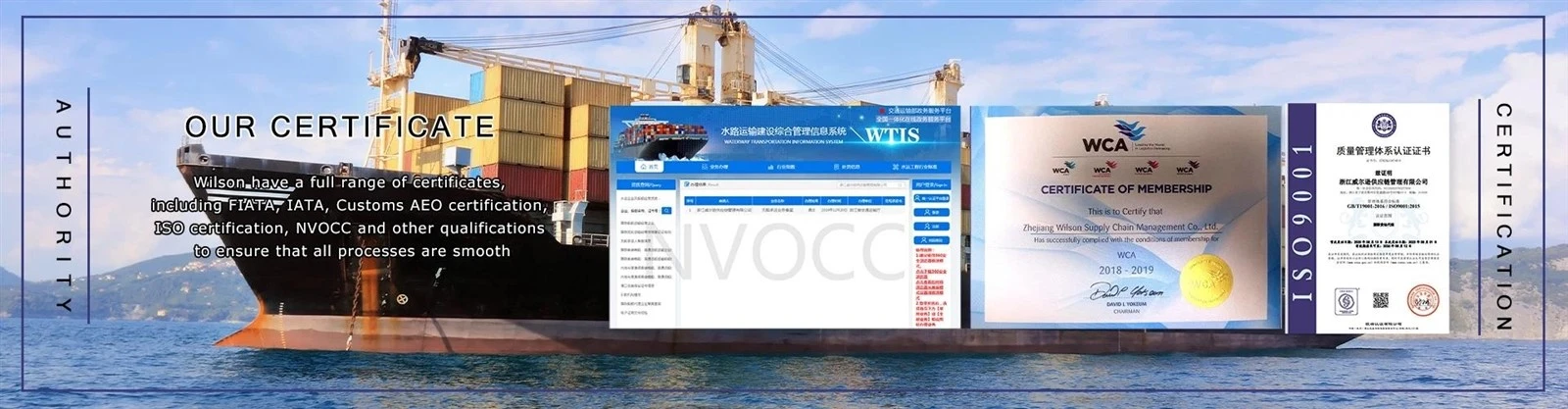
Zhejiang Wilson Supply Chain Management Co., Ltd. is a global freight forwarding company and a leading agent for major shipping lines such as Maersk, CMA CGM, Evergreen, Hamburg Süd, and Hanjin. With strong coverage across all major ports in China, we provide comprehensive sea freight and logistics solutions to key markets worldwide, including Europe, the Americas, the Middle East, Africa, Asia, and Oceania, helping businesses move cargo efficiently, reliably, and cost-effectively.
Contact us today for a free sea freight quote and professional shipping solution. Email: gm@wilson-cargo.com