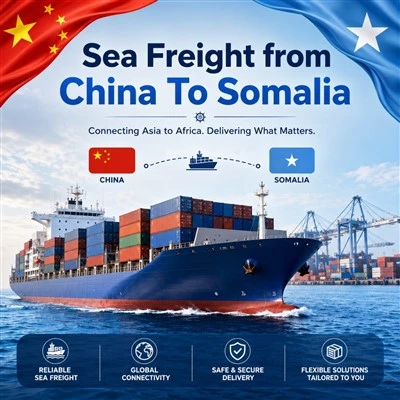
In international freight transportation, import and export enterprises often need to entrust freight forwarding service companies to provide freight services. However, although freight transactions usually involve carriers, freight forwarders and customs brokers, the two most important roles among them - shippers (also known as consignors) and consignee - are often confused, causing unnecessary trouble for enterprises. Especially those enterprises that have just come into contact with global trade. Therefore, as a freight forwarding company with ten years of experience, we will introduce to you in detail The Difference Between Shipper (Consignor) and Consignee in this article
Who Is the Shipper (Consignor)?
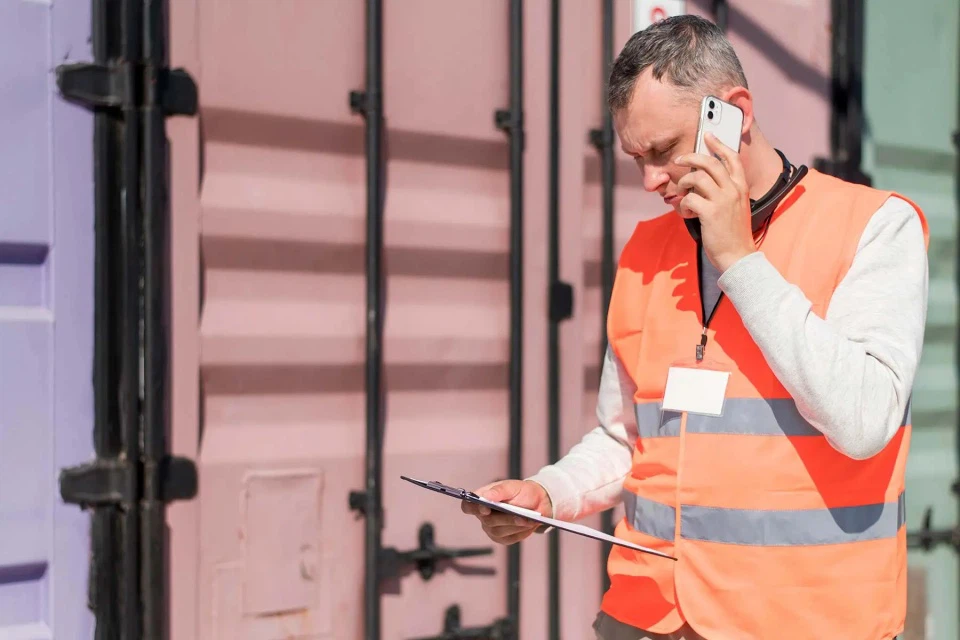
The term "shipper", commonly used in logistics documentation, is functionally equivalent to "consignor." This party is responsible for initiating the shipment. The shipper is the one who arranges transportation, prepares shipping documents, and hands over the goods to the carrier. In most cases, the shipper retains legal ownership of the goods being shipped until payment or other contractual terms are fulfilled.
A consignor can be:
A manufacturer exporting finished goods;
A distribution center shipping to multiple locations;
A trading company dispatching bulk orders overseas.
The role of the shipper goes beyond simply sending packages. It involves ensuring that all export documentation is accurate-particularly the Bill of Lading, which acts as a contract, receipt, and title document. The shipper must also manage regulatory compliance (such as export licenses or certificates of origin) and coordinate with freight carriers to guarantee safe and timely dispatch. When Incoterms like DDP (Delivered Duty Paid) are involved, the shipper may even be responsible for handling customs clearance on both ends.
In international shipping, the shipper is considered the exporter of record, meaning they are legally recognized as the party initiating the export, with corresponding liabilities and documentation requirements.
Who Is the Consignee?
The consignee is the party listed on the Bill of Lading as the recipient of the shipment. While the term sounds straightforward, its practical implications are nuanced. The consignee may be:
- The end customer or buyer of the goods;
- An agent acting on behalf of the buyer;
- A financial institution (e.g., the buyer's bank) in letter-of-credit transactions.
Whoever the consignee is, their primary responsibility is to collect the shipment at the point of delivery. They are typically the importer of record in international shipping, meaning they are accountable for customs clearance, payment of duties, and ensuring the shipment meets the legal and regulatory standards of the destination country.
Furthermore, the consignee must ensure that the Bill of Lading is endorsed properly and submitted to take possession of the goods. If the consignee is not physically present or available to receive the goods, a notify party-another party involved in the transaction-may be designated to assist in cargo handover or clearance procedures.
In some transactions, especially those involving consignment stock, the consignee does not immediately become the owner of the goods. Instead, they may hold the goods on behalf of the consignor, selling them later and transferring ownership upon sale to a third party.
Key Differences Between Shipper and Consignee
While both the consignor and consignee are fundamental to the freight shipment process, their roles diverge significantly. The table below outlines the primary differences:
|
Aspect |
Shipper (Consignor) |
Consignee |
|
Role in Shipping Documents |
Listed as sender or exporter; initiates the shipment |
Listed as recipient on the bill of lading |
|
Ownership of Goods |
Typically retains ownership until payment or delivery terms are met |
Gains ownership upon receipt or per contract |
|
Customs Responsibility |
May handle export documentation and duties |
Handles customs clearance, taxes, and import compliance |
|
Interaction with Carrier |
Arranges freight booking, issues shipping instructions |
Coordinates delivery and receives cargo |
|
Typical Entity |
Manufacturer, exporter, distribution center, or trader |
End buyer, appointed agent, or financial institution |
|
Primary Obligation |
Provide accurate documents, initiate transport |
Receive the goods, pay duties, confirm delivery |
These distinctions are not just academic-they define liability, compliance requirements, and operational tasks. When poorly understood, they can lead to disputes, especially in cases of loss, damage, or incorrect paperwork.
The Role of the Bill of Lading
In any freight shipment, the Bill of Lading (BOL) is more than just paperwork-it is a legally binding document that governs the entire shipping process. It connects all parties involved: the shipper (consignor), the consignee, and the carrier. A well-prepared BOL protects everyone's interests and ensures a clear transfer of responsibilities and rights.
The BOL serves three essential legal functions:
- Receipt of Goods: It confirms that the carrier has received the goods being shipped from the consignor in good condition. This document acts as proof that the shipment has begun.
- Contract of Carriage: It outlines the terms agreed upon between the shipper and the carrier-such as delivery timeline, route, freight charges, and handling instructions.
- Title of Ownership: Perhaps most critically, the BOL acts as a document of title. When the consignee on the bill signs the document upon delivery, it often represents the legal transfer of ownership of the goods.
A typical shipment includes three original copies of the Bill of Lading:
- One for the shipper, retained for records and finance.
- One for the consignee, used to collect the shipment at the destination.
- One for the bank or financial intermediary, especially in letter-of-credit arrangements.
Once any one of the originals is endorsed and presented to release the cargo, the remaining copies become void. This mechanism ensures that only one party at a time can claim title-preventing disputes over ownership during the transfer.
Misunderstanding or mismanaging the BOL-such as incorrect consignee information or missing signatures-can lead to serious delays in customs clearance or even loss of access to cargo. This is why working with a logistics partner that offers experienced customer support and compliance knowledge is invaluable.
Real-World Applications and Common Scenarios
In practice, the roles of consignor and consignee are not always as clear-cut as theory suggests. Take consignment models, for instance. In such arrangements, the consignee may act as a sales agent or intermediary, storing goods on behalf of the consignor without immediate transfer of ownership. The actual buyer may only come into the picture at a later stage, after the goods are sold. Here, the consignee's role is less about ownership and more about facilitation.
At Zhejiang Wilson Supply Chain Management Co., Ltd., we frequently handle complex shipping scenarios like these. For example:
- A manufacturer in Germany ships bulk chemical containers to multiple distribution centers across Southeast Asia. The consignee listed on the BOL may be a regional warehouse or a third-party logistics provider (3PL), not the final customer. Our team coordinates closely with the notify party to ensure timely pick-up and compliance at each port.
- In another case, a Chinese exporter works with a European retail chain. The goods are shipped under a single BOL, but the supply chain is segmented across countries, involving local customs brokers, bonded warehouses, and staggered delivery to store locations. Understanding who the owner of the goods is at each stage is critical for legal and financial clarity.
These real-world examples highlight how accurate role definition and document handling-especially in relation to the Bill of Lading-ensure seamless freight shipping even across multiple jurisdictions. Without such clarity, delays, fines, or disputes can jeopardize the entire operation.
Conclusion and Expert Advice
Understanding the difference between shipper (consignor) and consignee goes far beyond textbook definitions. These roles define legal liability, commercial risk, and operational responsibility within every freight shipment.
- The consignor initiates the shipment, manages documentation, and often retains ownership until specific conditions are met.
- The consignee receives the goods, handles customs clearance, and becomes the owner upon acceptance-unless acting as a facilitator in a consignment scenario.
These distinctions impact everything from insurance to payment schedules to regulatory compliance. That's why choosing a freight partner with proven experience, legal acumen, and end-to-end customer support is not optional-it's strategic.
At Wilson Supply Chain, we've spent over a decade helping global businesses navigate these exact issues with precision and professionalism. Whether you're shipping from a distribution center in Ningbo or coordinating deliveries across Africa or Europe, our team ensures every detail-from the first draft of your bill of lading to the final delivery update-is handled with care.
If you're planning your next international shipping project, let us help you streamline the shipping process.