China, often dubbed the "world's factory," drives global trade with its massive manufacturing output, exporting goods worth $4.65 trillion in 2020 alone, as noted in industry data. Europe, a powerhouse of consumption and industrial demand, relies heavily on these exports to fuel its markets. The intricate web of shipping routes connecting these two economic giants is the backbone of their trade relationship, enabling businesses to deliver everything from consumer electronics to industrial machinery. Efficient logistics isn't just about moving goods-it's about optimizing costs, ensuring timely deliveries, and staying competitive in a fast-paced global market.
This article dives into the primary transportation corridors linking China to Europe, covering maritime, rail, and air routes, with a nod to emerging options like the Arctic passage. We'll explore their unique features, key ports, transit times, costs, and ideal cargo types, equipping you with the insights needed to make informed logistics decisions. Whether you're an e-commerce seller, a manufacturer, or a supply chain manager, this guide will help you navigate the complexities of international shipping with confidence.

Northern Europe Hub Route: The Artery of Europe's Economic Core
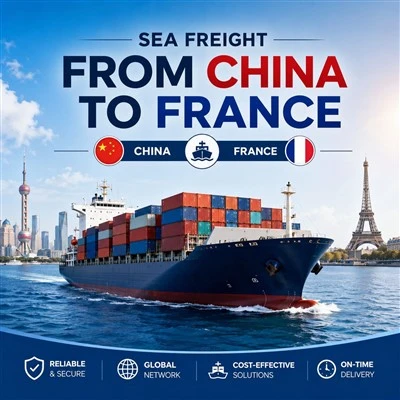
The Northern Europe route is the cornerstone of China-Europe maritime trade, linking China's bustling export hubs with Europe's industrial and commercial heartlands. Ships depart from major Chinese ports like Shanghai, Ningbo-Zhoushan, Yantian, and Qingdao, crossing the Pacific and Indian Oceans via the Suez Canal or, less commonly, the Cape of Good Hope, to reach European gateways such as Rotterdam, Hamburg, Antwerp, and Felixstowe. This route is the busiest and most established, handling a significant share of the $649 billion trade volume between China and Europe in 2020. Its reliability and scale make it the go-to choice for businesses prioritizing cost over speed.
Key Ports
- China: Shanghai leads globally with a 2020 throughput of 43.5 million TEU, followed by Ningbo-Zhoushan (28.7 million TEU), Yantian (part of Shenzhen's 25.2 million TEU), and Qingdao (18.3 million TEU). These ports are equipped with cutting-edge facilities, ensuring efficient handling of massive cargo volumes.
- Europe: Rotterdam (14.3 million TEU) is Europe's largest port, serving as a gateway to the Netherlands and beyond. Hamburg (8.5 million TEU) and Antwerp (12 million TEU) connect Germany and Belgium's industrial zones, while Felixstowe is a critical entry point for the UK market.
Transit Time and Costs
Expect transit times of 30 to 40 days, depending on the specific origin and destination ports, weather conditions, and carrier schedules. This route is the most cost-effective option, with freight rates often significantly lower than rail or air. For example, shipping a 40-foot container from Shanghai to Rotterdam typically costs less than rail alternatives, making it ideal for businesses with flexible delivery timelines.
Suitable Cargo
This route excels for a wide range of goods, including bulk commodities (e.g., industrial raw materials), consumer products (e.g., clothing, electronics), and e-commerce shipments. Its high capacity and frequent sailings accommodate both full container loads (FCL) and less-than-container loads (LCL), offering flexibility for businesses of all sizes.
Mediterranean Gateway Route: A Swift Entry to Southern and Central Europe
For businesses targeting Southern and Central Europe, the Mediterranean route offers a shorter, more agile alternative. Ships sail from Chinese ports like Shenzhen, Xiamen, and Ningbo, passing through the Suez Canal (or occasionally the Cape of Good Hope) to reach key Mediterranean ports such as Piraeus (Greece), Valencia and Barcelona (Spain), Genoa (Italy), and Koper (Slovenia). This route is a vital link for accessing emerging markets in Southern Europe and, through efficient inland connections, Central Europe and North Africa. Its role in China's Belt and Road Initiative (BRI), particularly via Piraeus, underscores its strategic importance.
Key Ports
- China: Shenzhen (25.2 million TEU in 2020) and Xiamen are major export hubs, with Ningbo providing additional capacity. These ports benefit from proximity to China's manufacturing centers, ensuring rapid cargo consolidation.
- Europe: Piraeus, a BRI flagship, has grown into a major transshipment hub, connecting to Central Europe via rail. Valencia (5.4 million TEU) and Barcelona serve Spain's vibrant markets, while Genoa and Koper facilitate access to Italy and Central Europe, respectively.
Transit Time and Costs
Transit times range from 25 to 35 days, faster than the Northern Europe route due to the shorter distance. Costs are slightly higher but justified by the reduced lead times and access to diverse markets. For instance, shipping from Shenzhen to Valencia is often 10–20% more expensive than to Rotterdam but saves up to a week in transit.
Suitable Cargo
This route is ideal for time-sensitive goods, such as fashion apparel, electronic components, and perishable items destined for Southern Europe. It also supports cargo requiring transshipment to Central Europe or North Africa, leveraging ports like Piraeus for efficient inland distribution.
China-Europe Rail Express: The Overland Fast Track
The China-Europe Rail Express, a cornerstone of the Belt and Road Initiative, offers a compelling alternative to maritime shipping. The primary West Line runs from Chinese cities like Xi'an, Chengdu, and Chongqing through Kazakhstan, Russia, Belarus, and Poland (e.g., Malaszewicze, Lodz) to German hubs like Duisburg and Hamburg. Emerging Middle and South Lines, via the Caspian Sea or Iran and Turkey, are in development but less established. Spanning 223 cities in 25 European countries and over 100 cities in 11 Asian nations, this rail network balances speed and cost, making it a game-changer for time-sensitive logistics.
Key Nodes
- China: Xi'an, Chengdu, and Chongqing are major rail hubs, leveraging their inland locations to consolidate goods from across China's manufacturing regions.
- Europe: Malaszewicze (Poland) serves as a critical entry point, with Duisburg and Hamburg acting as distribution hubs for Western Europe.
- Transit Time and Costs
- Rail transport delivers door-to-door in Queso: 12 to 22 days, significantly faster than sea freight (25–40 days) but slower than air (1–5 days). Costs are higher than maritime shipping but lower than air freight, offering a sweet spot for businesses needing speed without airfreight's high price tag.
Suitable Cargo
The rail route is perfect for high-value, time-sensitive goods like electronics, automotive parts, machinery, and e-commerce parcels. Its ability to handle smaller, consolidated shipments makes it ideal for businesses with diverse product lines.
Challenges
- Geopolitical Risks: Tensions in regions like Russia or Belarus can disrupt schedules, as seen in recent geopolitical events.
- Infrastructure Limitations: The Middle and South Lines are still developing, with limited capacity and reliability compared to the West Line.
Insight: The rail express shines for businesses needing faster delivery than sea freight but unable to afford airfreight. Its integration with BRI infrastructure investments enhances reliability, but companies must plan for potential delays due to border crossings or geopolitical issues. Partnering with a freight forwarder experienced in Eurasian rail logistics can mitigate these risks.
Air Freight Corridor: The Ultimate Solution for Speed
When time is critical, air freight offers the fastest connection between China and Europe. This corridor links major Chinese hubs-Hong Kong, Shanghai Pudong, Shenzhen, and Zhengzhou-with Europe's key airports, including Frankfurt, Amsterdam, Paris, and London. Renowned for its speed, air transport is the go-to option for urgent or high-value shipments, ensuring goods reach their destination in days rather than weeks. While it accounts for a smaller volume of the $649 billion China-Europe trade compared to maritime routes, its role in time-sensitive logistics is unmatched.
Key Hubs
- China: Hong Kong and Shanghai Pudong are global air cargo leaders, handling high volumes of electronics and e-commerce goods. Shenzhen supports South China's manufacturing base, while Zhengzhou is emerging as a central China hub, bolstered by its role in the Belt and Road Initiative.
- Europe: Frankfurt is Europe's primary air cargo gateway, seamlessly connecting to Germany's industrial heartland. Amsterdam and Paris serve as vital hubs for the Netherlands and France, while London's Heathrow facilitates rapid entry into the UK market.
Transit Time and Costs
Air freight delivers door-to-door in 1 to 5 days, depending on customs clearance and local logistics. However, this speed comes at a premium-unit costs are significantly higher than sea or rail, often 5–10 times more per kilogram. For example, shipping a small batch of electronics from Shanghai to Frankfurt can cost thousands of dollars but ensures delivery within 48 hours.
Suitable Cargo
This route is tailored for urgent, high-value, or perishable goods, such as consumer electronics, jewelry, precision instruments, fresh produce, and medical supplies. It's also ideal for small, high-margin e-commerce parcels or critical spare parts needed to prevent production delays.
Emerging Arctic Route: Potential Meets Challenges
Route Overview
The Arctic route, an emerging alternative, promises to reshape China-Europe shipping by cutting transit times. Ships sail from China's eastern ports through the Bering Strait, along Russia's northern coast, to Northwest European ports like Rotterdam or Hamburg. This route shaves 10–15 days off traditional Suez Canal voyages, offering a compelling option for time-sensitive cargo. However, its reliance on seasonal navigation and specialized infrastructure limits its current scope.
Key Features
- Icebreaker Dependency: Navigation requires icebreakers, particularly outside the brief summer window when ice melt allows passage.
- Geopolitical and Environmental Concerns: The route crosses sensitive Arctic regions, raising environmental debates and geopolitical tensions, particularly with Russia's oversight of key passages.
- Developing Infrastructure: Ports and support facilities along the route are still evolving, constraining scalability.
Transit Time and Costs
Transit times are shorter than traditional sea routes, typically 15–25 days, but vary with seasonal conditions. Costs are currently higher due to specialized vessels and limited sailings, though economies of scale could make it competitive as infrastructure improves.
Suitable Cargo
The Arctic route is currently suited for seasonal or trial shipments, such as bulk commodities or project cargo. As reliability improves, it could support a broader range of goods, including consumer products and industrial materials.
Future Prospects
While not yet a mainstream option, the Arctic route holds immense potential. Its shorter transit times could rival rail for certain cargo types, especially as climate changes extend navigable periods. However, businesses must navigate environmental regulations and geopolitical complexities, making it a route to watch rather than rely on today.
Insight: The Arctic route's promise lies in its ability to bypass congested chokepoints like the Suez Canal. Forward-thinking businesses can explore pilot shipments to gain a competitive edge, but should partner with logistics providers experienced in navigating its unique challenges.
Key Factors in Choosing the Right Route
Selecting the optimal route requires aligning your business needs with each option's strengths:
Cargo Characteristics
- Size and Weight: Bulky goods (e.g., raw materials) favor sea freight's capacity, while lightweight, high-value items (e.g., electronics) suit rail or air.
- Time Sensitivity: Urgent shipments demand air freight, time-sensitive goods fit rail, and cost-focused cargo aligns with sea freight.
Budget Constraints
Sea freight offers the lowest costs, followed by rail, with air freight being the most expensive. For example, a 40-foot container via sea might cost $2,000–$4,000, rail $5,000–$8,000, and air freight $10,000+ for equivalent weight.
Destination Market
- Northern Europe Route: Ideal for West European markets like Germany and the UK.
- Mediterranean Route: Suits Southern and Central Europe, with transshipment to North Africa.
- Rail: Offers broad coverage, reaching inland cities like Warsaw or Munich.
- Air: Best for major urban hubs with strong airport infrastructure.
External Risks
- Geopolitical: Tensions in the South China Sea, Suez Canal blockages, or Russia-Ukraine conflicts can disrupt routes.
- Environmental: Typhoons, extreme weather, or Arctic environmental regulations pose challenges.
- Market Fluctuations: COVID-19-related port congestion or trade war tariffs can affect costs and schedules.
Technology and Trends
- Belt and Road Initiative: Enhances rail and port efficiency through infrastructure investments.
- Smart Logistics: Intelligent ports and blockchain platforms improve transparency and tracking, reducing delays and errors.
Insight: A hybrid approach-combining sea, rail, or air with inland transport-can optimize costs and speed. For example, using the Mediterranean route with rail transshipment can deliver goods to Central Europe faster than sea alone, at a lower cost than air.
Choosing a Professional Freight Partner
A reliable freight forwarder transforms complex logistics into seamless operations. Here's how the right partner adds value:
Multi-Modal Solutions
Integrate sea, rail, air, and trucking to create tailored strategies. For instance, combining Mediterranean sea freight with rail to Central Europe can save time and money compared to pure sea routes.
Real-Time Insights
Access up-to-date freight rates, route conditions, and market trends to make informed decisions. A forwarder's expertise helps you anticipate disruptions, like Suez Canal delays, and adjust plans proactively.
End-to-End Services
From online shipment tracking to customs clearance and last-mile delivery, a comprehensive service ensures visibility and control. European networks for local distribution streamline final delivery to customers.
Customized Consulting
Whether you're an e-commerce seller or a manufacturer, a forwarder tailors solutions to your needs, such as expedited rail for electronics or cost-effective sea freight for bulk goods.
Insight: Look for forwarders with deep China-Europe expertise and digital tools for real-time tracking. Their ability to navigate customs regulations and geopolitical risks ensures your cargo arrives on time and within budget.
Conclusion
The diversity of China-Europe shipping routes offers unparalleled flexibility for businesses. The Northern Europe route delivers cost-effective scale for bulk goods, while the Mediterranean route provides faster access to Southern and Central Europe. The China-Europe Rail Express strikes a balance between speed and cost, ideal for high-value cargo, and air freight ensures rapid delivery for urgent needs. The Arctic route, though nascent, holds promise for future innovation. Each option presents unique advantages, enabling you to align logistics with your business goals-whether minimizing costs, accelerating delivery, or expanding market reach.
Zhejiang Wilson Supply Chain Management Co., Ltd. was established in 2011, with its headquarters located in Ningbo, China. It has branches in Shanghai, Shenzhen and Hong Kong. As a professional international freight forwarder and supply chain management company, Wilson is committed to providing efficient, safe and professional logistics services to help global customers optimize their supply chain processes. Our core services encompass sea freight , air freight , land transportation, warehousing, customs clearance, and supply chain management. We serve industries such as chemicals, automotive, food, energy, and container trading. Ready to streamline your China-Europe logistics? Contact our team for tailored strategies, real-time insights, and end-to-end support, ensuring your goods reach European markets efficiently and reliably.