Shipping from China to Iran is possible, but it is not the same as sending a normal international parcel.
If you buy products from Taobao, 1688, Pinduoduo, JD, Alibaba, or directly from a Chinese factory, the seller may only deliver inside China. You still need a way to collect the goods, check the packages, prepare shipping documents, choose the right transport route, and handle customs clearance before the cargo can reach Iran.
That is where many buyers make mistakes.
They ask for the cheapest shipping rate first. The better starting point is the product itself: what you bought, how it is packed, whether it is general cargo or sensitive cargo, how urgent it is, and whether the receiver in Iran can handle import clearance.
This guide explains how to ship online purchases from China to Iran step by step, including warehouse receiving, consolidation, air freight, sea freight, customs documents, costs, risks, and how to work with a freight forwarder.

Can You Ship Online Purchases from China to Iran?
Yes, many online purchases can be shipped from China to Iran, but the process depends on the product type, shipment size, transport method, and Iran customs requirements.
A freight forwarder is a logistics company that arranges cargo movement on behalf of buyers or sellers. For China-to-Iran shipping, a forwarder may provide a China warehouse address, receive goods from different suppliers, consolidate packages, arrange export customs declaration, book air or sea freight, and coordinate customs clearance or delivery in Iran.
This matters because many Chinese online sellers do not ship directly to Iran. A Taobao seller in Guangzhou or a 1688 supplier in Yiwu may only accept a Chinese delivery address. The goods first need to move to a warehouse in China before they can become an international shipment.
For online purchases, the basic flow usually looks like this:
- Buy goods from Chinese platforms or suppliers.
- Send all parcels to a China warehouse.
- Check, consolidate, and repack the goods.
- Prepare product information and shipping documents.
- Choose air freight, sea freight, express, or multimodal transport.
- Complete China export customs.
- Handle Iran import customs clearance.
- Arrange final delivery or pickup in Iran.
The shipment is not ready just because the seller has shipped it domestically. It only becomes an international shipment after the goods are checked, classified, declared, and booked under the right route.
Step-by-Step Process: How to Ship from China to Iran
Step 1: Confirm What You Are Buying
Before asking for a shipping quote, confirm the product details.
You need more than a product link. A forwarder usually needs the product name, material, use, quantity, unit value, total value, package weight, carton size, and whether the product contains batteries, liquid, powder, magnets, chemicals, food ingredients, cosmetics, medical functions, or branded elements.
This first step decides almost everything that comes later.
A box of cotton T-shirts is usually general cargo. A carton of power banks is not. Cosmetics, food supplements, perfumes, lubricants, electronic devices, and medical-use products may need extra review before booking. Some items may require special documents or may not be accepted by certain airlines, shipping lines, or customs channels.
For example, 80 kg of clothing from Guangzhou may move by air freight or consolidated cargo without much technical review. But 80 kg of lithium battery accessories may need a different route, battery documents, safer packaging, and stricter declaration.
The product decides the route. The route decides the cost and risk.
Step 2: Send Goods to a China Warehouse
Most online purchases from China need a domestic receiving address first. This is where a China warehouse becomes useful.
A China warehouse can receive parcels from different sellers, record the arrival of each package, check the outside condition, measure the weight and volume, and store the goods until all orders arrive. For buyers purchasing from several platforms or factories, this is often the only practical way to control the shipment.
Typical warehouse receiving scenarios include:
- Taobao or Pinduoduo personal purchases
- 1688 small business purchases
- Alibaba supplier orders
- Yiwu market goods from several vendors
- Factory samples from different cities
- Spare parts from multiple manufacturers
A common case is an Iranian buyer purchasing 25 cartons from five suppliers: mobile phone accessories from Shenzhen, clothing from Guangzhou, small household goods from Yiwu, packaging materials from Ningbo, and samples from Shanghai. If each supplier ships separately to Iran, the cost and customs handling become messy. If all goods are first sent to one China warehouse, the shipment can be checked and organized before export.
That is the correct way to turn scattered domestic parcels into one international cargo movement.
Step 3: Inspect, Consolidate, and Repack the Goods
Consolidation means combining multiple packages into one shipment. For online purchases, consolidation can reduce repeated freight costs and make customs documents cleaner.
But consolidation is not only putting boxes together.
The warehouse may need to check package quantity, remove weak domestic packaging, add stronger cartons, separate fragile goods, identify sensitive items, and measure the actual chargeable weight. Chargeable weight is the weight used by the carrier to calculate freight. For air freight, it may be based on actual gross weight or volumetric weight, whichever is higher.
Volumetric weight matters when goods are light but bulky. A carton of plastic toys may weigh only 12 kg, but if the carton size is large, the air freight charge may be calculated at a higher volumetric weight.
Repacking is often needed because domestic Chinese courier packaging is designed for short-distance delivery, not international transport. Sea freight, air freight, truck transfers, warehouse handling, and customs inspection all add pressure to the packaging.
For online purchases, do not assume the seller's original packaging is enough.
Step 4: Choose the Right Shipping Method
The best shipping method from China to Iran depends on cargo size, product value, urgency, budget, and customs route.
There is no single cheapest method for every shipment. A 3 kg sample, a 120 kg cosmetics order, a 2 CBM spare parts shipment, and a 40ft container of machinery should not use the same logistics plan.
Here is a practical comparison:
| Shipping Method | Typical Transit Time | Best For | Cost Level | Main Risk |
|---|---|---|---|---|
| Air Freight | 3–10 days | Urgent goods, samples, high-value items, small commercial shipments | High | Sensitive goods, flight availability, chargeable weight |
| Sea Freight | 20–45 days | Large volume, heavy cargo, non-urgent goods, FCL or LCL shipments | Low per unit | Longer transit time, port handling, customs delay |
| Express / Small Parcel | Route-dependent | Small packages, samples, personal purchases | Medium to high | Size limits, restricted item control, unclear tax handling |
| Rail / Road / Multimodal | 10–25 days or route-dependent | Mid-sized commercial cargo, cost-time balance | Medium | Border handling, route stability, transfer coordination |
Transit time is never only sailing time or flight time. It also includes pickup, warehouse handling, export declaration, waiting for departure, arrival handling, Iran customs clearance, and final delivery.
A cheap route with weak customs coordination may become expensive after delay, storage, inspection, or re-delivery costs.
Step 5: Prepare Product Information and Shipping Documents
For China-to-Iran shipping, customs documents must match the actual cargo. Vague product descriptions cause trouble.
"Accessories," "goods," or "daily use items" are not good enough for customs. A better description would be "plastic phone case," "cotton men's T-shirt," "stainless steel kitchen tool," or "LED light spare part." The product name should be clear, realistic, and consistent across documents.
Common documents include:
- Commercial Invoice
- Packing List
- Bill of Lading for sea freight
- Air Waybill for air freight
- Certificate of Origin, if required
- HS Code
- Product description
- Quality, safety, health, or inspection certificates for regulated goods
A Commercial Invoice declares the buyer, seller, product name, quantity, unit value, total value, currency, origin, and trade terms. A Packing List shows how the goods are packed, including carton quantity, weight, volume, and item details.
The HS Code is the customs classification code used to identify products for tariff and regulatory purposes. The wrong HS Code can lead to wrong duty calculation, inspection, document correction, or customs delay.
When goods come from online platforms, buyers often only have order screenshots or Chinese product names. These need to be converted into proper export and import document information before shipping.
Step 6: Complete China Export Customs Declaration
China export customs declaration is the process used to legally declare goods leaving China.
For general cargo, the export process may be straightforward if the product information, invoice, packing list, and supplier details are complete. For regulated products, customs may require extra documents or license checks.
The common problem with online purchases is scattered information. One order may have ten sellers, different product names, different packaging, and no formal invoice. The forwarder must help organize the data into a clean declaration format.
The declaration must match the cargo.
If the box contains electronics, it should not be declared as plastic parts. If the cargo contains batteries, this must be checked before booking. If the declared value is far below the real transaction value, customs risk increases. Low declaration may look cheaper at first, but it can create bigger problems during inspection.
Step 7: Handle Iran Import Customs Clearance
Iran import customs clearance is the process of declaring goods to Iranian customs after arrival, paying duties and taxes where applicable, and receiving customs release.
The receiver, importer, local customs broker, or freight forwarder may need to provide documents and cooperate with customs review. Duties and taxes depend on HS Code, declared value, product category, import policy, and local customs assessment.
Some goods may also need import permits, product certificates, health documents, safety documents, or inspection approval. Food, cosmetics, medical supplies, chemicals, electronics, and certain branded goods should be checked before shipping.
For Iran shipments, customs planning should happen before the cargo leaves China, not after it arrives.
Once cargo is already at the port, airport, or border, missing documents become expensive. Storage fees, demurrage, inspection charges, and delayed delivery can quickly reduce the savings from a low freight rate.
Step 8: Arrange Final Delivery or Pickup in Iran
After customs release, the cargo can be delivered to the final address or picked up by the consignee.
For sea freight, common Iran entry points include ports such as Bandar Abbas. For air freight, cargo may arrive through major airports such as Tehran. From there, goods can move to cities such as Tehran, Mashhad, Isfahan, Shiraz, or other inland destinations depending on the delivery plan.
The receiver should check the outer packaging at delivery. If cartons are broken, wet, opened, or missing, report the issue immediately and keep photos. For valuable goods, cargo insurance should be arranged before shipment, not after damage occurs.
Delivery is still part of the logistics chain. The job is not finished when the vessel arrives or the flight lands.
Main Shipping Methods from China to Iran
Air Freight from China to Iran
Air freight is suitable for urgent, high-value, or small-to-medium shipments. It is often used for samples, electronics, precision parts, seasonal goods, and fast replenishment.
For example, an Iranian electronics seller may need 60 kg of phone repair tools from Shenzhen within one week. Air freight makes sense because the product value is high enough to absorb the freight cost, and late delivery may affect sales.
Air freight is not always simple. Airlines may restrict batteries, liquids, powders, magnets, and some electronic products. Chargeable weight can also increase the cost for bulky cartons.
Use air freight when time is worth more than the freight saving.
Sea Freight from China to Iran
Sea Freight from China is usually the most economical choice for large, heavy, or non-urgent cargo.
Common departure ports in China include Ningbo, Shanghai, Shenzhen, Guangzhou, and Qingdao. In Iran, Bandar Abbas is one of the main sea freight gateways. Depending on the route, shipping line, transshipment, and customs handling, sea freight may take about 20–45 days.
Sea freight has two common service types:
| Sea Freight Type | Best For | Main Advantage | Main Concern |
|---|---|---|---|
| FCL (Full Container Load) | Large shipments, usually enough cargo for a 20ft or 40ft container | Better control, lower unit cost, less cargo mixing | Higher minimum volume |
| LCL (Less than Container Load) | Smaller shipments that do not fill a container | Flexible for small commercial cargo | More handling, possible delay, higher damage risk if poorly packed |
A 2 CBM shipment of kitchenware may use LCL. A full container of machinery, tiles, furniture, or building materials should usually use FCL. For a deeper comparison, see this guide on FCL vs LCL Shipping.
Sea freight rewards planning. It is cheaper per unit, but poor documents or weak packaging can still make it costly. If you want to understand the full ocean shipping process, this guide on How Sea Freight Works is also useful.
Express and Small Parcel Shipping
Express or small parcel shipping may work for samples, small online purchases, and low-volume goods. It is easier for simple products, but not always cheaper.
Small parcel channels often have restrictions on size, weight, product type, and destination handling. Sensitive goods may be rejected, delayed, or moved to a different channel after inspection.
For personal online purchases, small parcel shipping can be convenient. For commercial goods, it may be better to use consolidated air freight or a structured freight forwarding service because customs documents and cost control are clearer.
Rail, Road, and Multimodal Shipping
Rail, road, and multimodal shipping combine different transport modes. For some China-to-Iran commercial cargo, routes through Central Asia may be considered, including rail or road segments through countries such as Kazakhstan or Turkmenistan.
This option can help when air freight is too expensive and sea freight is too slow. It may suit mid-sized shipments, industrial goods, spare parts, or cargo with moderate time pressure.
But multimodal shipping needs stronger coordination. Border procedures, transfer points, customs documents, and route stability all matter. It should be planned by a forwarder that understands the corridor, not selected only because a quoted transit time looks attractive.
DDP, DDU, Port-to-Port: Which Service Mode Do You Need?
Shipping mode describes how cargo moves. Service mode describes who is responsible for each part of the process.
This is where many buyers get confused.
DDP, DDU, and Port-to-Port are not just logistics terms. They decide who handles customs, duties, local charges, and delivery.
| Service Mode | What the Forwarder Handles | What the Buyer or Receiver Handles | Best For |
|---|---|---|---|
| Door-to-Door / DDP | China receiving, international freight, customs coordination, duties/taxes if agreed, final delivery | Product information, payment, delivery confirmation | Buyers without Iran customs resources |
| DDU / DAP | China-side handling and international transport, sometimes destination support | Iran customs clearance, duties, taxes, local delivery if not included | Importers with local customs brokers |
| Port-to-Port | Freight from China port to Iran port | Import clearance, port charges, inland delivery | Experienced importers with local teams |
| China Warehouse to Iran Warehouse | China warehouse handling and international movement | Final local distribution or import handling based on agreement | Small businesses and agents consolidating orders |
DDP means Delivered Duty Paid. In practice, the forwarder or seller takes broader responsibility for delivery and duty handling under the agreed scope. DDU is often used in trade discussion to mean the receiver handles duties and import clearance, though the modern Incoterms term is usually DAP. Port-to-Port is narrower. It only covers the main transport leg between ports.
For many online buyers, Door-to-Door or DDP-style service is easier because they do not have a customs broker in Iran. For established importers, DDU, DAP, FOB, CIF, or Port-to-Port may give more cost control.
Before booking, ask one direct question: what exactly is included after the cargo arrives in Iran?
How Much Does It Cost to Ship from China to Iran?
Shipping cost from China to Iran depends on product type, weight, volume, transport method, origin city, destination city, customs requirements, and service scope.
A quote that says "USD per kg" may not tell the full story.
The total cost may include four parts.
China-Side Costs
These are costs before the cargo leaves China:
- Domestic courier fee or supplier delivery fee
- Pickup fee
- Warehouse receiving fee
- Storage fee
- Consolidation fee
- Inspection or photo-check fee
- Repacking fee
- Export customs declaration fee
- Document fee
For online purchases, China-side costs matter because goods may arrive from different sellers at different times. If a buyer waits three weeks for all parcels to arrive, warehouse storage and handling need to be planned.
International Freight Costs
These are costs for the main transport leg:
- Air freight charge
- Sea freight charge
- LCL or FCL ocean freight
- Fuel surcharge
- Airline or shipping line handling charge
- Rail or road freight charge
- Transfer cost for multimodal transport
Air freight is often charged by actual weight or volumetric weight. Sea freight is usually charged by container, CBM, weight, or LCL minimum charge depending on shipment type. This article on how to calculate sea freight costs explains the cost logic in more detail.
Iran-Side Costs
These are costs after cargo arrives in Iran:
- Customs clearance fee
- Import duties and taxes
- Port or airport handling charge
- Storage fee
- Inspection fee
- Local delivery fee
- Delivery to another city or remote area
- Document correction or special handling fee
These costs are often the reason a cheap quote becomes expensive later.
Risk-Related Costs
Some costs only appear when something goes wrong:
- Cargo insurance
- Demurrage
- Detention
- Port storage
- Customs inspection
- Repacking after inspection
- Re-delivery fee
- Claim handling cost
The cheapest quote is not always the lowest total cost. For Iran shipments, document accuracy and customs coordination can protect more money than a small freight discount.
Documents Needed for Shipping from China to Iran
Documents are the bridge between online orders and customs clearance. Customs does not clear a Taobao link. It clears declared cargo with product names, values, quantities, HS Codes, and packing details.
Commercial Invoice
A Commercial Invoice is the main value document for customs. It should include buyer and seller information, product name, quantity, unit price, total value, currency, country of origin, and trade terms.
For online purchases, a forwarder may need help from the buyer to confirm the correct English product name, actual value, and product use.
Packing List
A Packing List explains how the goods are packed. It should include carton number, product details, quantity per carton, gross weight, net weight, dimensions, and total volume.
A clean packing list helps customs inspection. If one carton contains mixed goods, the contents should be described clearly.
Bill of Lading or Air Waybill
A Bill of Lading is used for sea freight. An Air Waybill is used for air freight. These documents show carrier information, shipper, consignee, origin, destination, cargo description, and transport details.
The consignee information must be correct. Errors may delay cargo release.
Certificate of Origin
A Certificate of Origin confirms where the goods were made. Some products or customs procedures may require it. It may also affect tariff treatment depending on the product and current import rules.
HS Code and Product Description
The HS Code links your product to customs classification, duty rate, and regulatory control. A wrong HS Code may trigger duty issues or document correction.
Do not choose HS Codes casually. If the goods are mixed, each product category may need separate classification.
Special Certificates
Some goods may need additional documents, such as:
- Health certificate for certain food products
- Ingredient or formula documents for cosmetics
- Safety certificates for electronics
- Battery documents for lithium battery goods
- Material Safety Data Sheet for chemicals
- Brand authorization for branded products
- Inspection or quality certificates for regulated goods
If a product may need special documents, confirm before the goods leave the supplier.
Restricted, Sensitive, and High-Risk Goods
A product can be legal to buy in China but difficult to ship or clear in Iran.
For shipping purposes, goods are usually treated in three groups.
General Cargo
General cargo includes ordinary goods that do not require special handling under normal conditions. Examples include clothing, textiles, basic household items, plastic goods, ordinary tools, and simple accessories.
General cargo is usually easier to consolidate, declare, and ship. But the invoice, packing list, and HS Code still need to be correct.
Sensitive Cargo
Sensitive cargo may require extra review, documents, packaging, or special routes. Examples include:
- Batteries and products with built-in batteries
- Power banks
- Electronics
- Liquids
- Powders
- Cosmetics
- Food and supplements
- Chemicals
- Medical products
- Magnetic goods
- Branded goods
- Auto parts
- Machinery parts with special use
Sensitive cargo is not always prohibited. But it cannot be treated like T-shirts.
For example, cosmetics may need ingredient information. Battery goods may need battery type, watt-hour rating, packaging method, and airline acceptance review. Food products may need health or import checks. A forwarder should review these before booking.
Prohibited or Very High-Risk Goods
Some goods may be prohibited or blocked due to product type, destination policy, export control, sanctions, or carrier restrictions. Weapons, narcotics, certain alcohol products, illegal publications, and goods that violate local rules should not be shipped.
For Iran-related shipments, some products, entities, payment arrangements, and routes may need compliance review. Avoid any promise of "guaranteed clearance" or "ship anything." The real answer depends on cargo details and current rules.
Customs Clearance in China and Iran
Customs clearance is not one action. It has two sides.
China export declaration allows goods to legally leave China. Iran import clearance allows goods to legally enter Iran.
Both sides need accurate documents.
China Export Customs
China export customs focuses on whether the goods are correctly declared for export. The exporter or freight forwarder submits declaration data, invoice, packing list, and any required supporting documents.
Possible issues include:
- Product name does not match cargo
- Declared value looks abnormal
- HS Code is wrong
- Regulated goods lack documents
- Goods contain battery, liquid, powder, or chemical content but were not declared properly
- Brand goods lack authorization documents
For online purchases, the forwarder may need to organize product data from several sellers into one clean export file.
Iran Import Customs
Iran import customs focuses on whether the goods can be imported, what duties and taxes apply, and whether documents meet local requirements.
The importer, receiver, customs broker, or local agent may need to provide business information, import documents, product certificates, and duty payment. Some goods may be inspected.
A shipment may be delayed if:
- The invoice and packing list are incomplete
- HS Code classification is disputed
- Product value is questioned
- Import permit is missing
- Receiver lacks required import capability
- Goods do not match the declaration
- Policy or route conditions change
For commercial shipments, check the receiver's import ability before cargo leaves China. If the consignee cannot clear the goods, the shipment may sit at the port or airport while charges build up.
Packaging Requirements for Online Purchases
Packaging is often underestimated in online purchase shipping.
A Chinese domestic courier box may survive a two-day delivery from Yiwu to Guangzhou. That does not mean it can survive international warehousing, loading, customs inspection, sea freight, air handling, truck transfers, and final delivery in Iran.
Use packaging based on product risk.
| Product Type | Recommended Packaging | Main Reason |
|---|---|---|
| Clothing and soft goods | Strong carton, moisture protection if needed | Prevent compression, dust, and water damage |
| Fragile goods | Bubble wrap, foam, corner protection, double-wall carton, wooden frame if needed | Reduce breakage during handling |
| Electronics | Anti-static bag, foam protection, firm carton, battery review if needed | Protect components and meet route requirements |
| Liquids | Sealed container, leak-proof bag, absorbent material, outer carton | Reduce leakage and rejection risk |
| Powders | Sealed inner packaging, clear label, product description | Avoid spill and customs suspicion |
| Heavy parts | Wooden crate or reinforced pallet | Prevent carton collapse and handling damage |
Repacking costs money, but weak packaging costs more when goods arrive broken or customs repacking becomes necessary.
For high-value cargo, insurance should be part of the plan.
Common Problems When Shipping from China to Iran
Problem 1: The Buyer Only Provides a Product Link
A product link is not enough for customs and freight booking. The forwarder still needs product name, material, use, quantity, value, package size, and cargo risk details.
If the product is "electronic accessory," the next question is whether it has a battery, magnet, Bluetooth function, liquid content, or brand mark.
Clear product information prevents wrong routes and wrong declarations.
Problem 2: Several Packages Arrive Without Identification
When buyers purchase from multiple sellers, packages may arrive at the warehouse under different names, phone numbers, or tracking numbers. If the warehouse cannot identify the owner, storage and handling slow down.
Use a clear warehouse code, consignee name, or order reference when sending goods to a forwarder's warehouse.
Problem 3: The Shipping Quote Does Not Include Destination Costs
Some quotes only include the main freight. They may not include Iran customs clearance, duties, taxes, port charges, storage, or final delivery.
Before comparing prices, ask whether the quote is:
- Warehouse to airport
- Warehouse to port
- Port to port
- Door to door
- DDP-style service
- Including or excluding duties and taxes
A low quote without scope is not a real comparison.
Problem 4: Sensitive Goods Are Mixed with General Cargo
If a buyer mixes cosmetics, batteries, clothing, food items, and accessories in one consolidated shipment, the whole shipment may face extra review.
Sometimes the better choice is to split the shipment by cargo type. General goods can move on one route, while sensitive goods use a different channel with proper documents.
Problem 5: Customs Documents Do Not Match the Goods
This is one of the most common causes of delay.
The invoice says "plastic accessories," but the carton contains electronics. The packing list says 10 cartons, but 12 cartons arrive. The declared value is too low. The HS Code does not match the product.
These problems are avoidable if documents are prepared based on actual cargo, not guesswork.
How a Freight Forwarder Helps with China to Iran Shipping
A good China-to-Iran freight forwarder does more than book freight.
For online purchases, the forwarder connects the gap between Chinese domestic e-commerce and international cargo movement.
The service may include:
- China warehouse receiving
- Supplier coordination
- Package checking
- Photo confirmation if needed
- Consolidation from multiple sellers
- Repacking for international transport
- Cargo classification
- Sensitive goods review
- Air freight, sea freight, or multimodal route planning
- Export customs support in China
- Document checking
- Coordination with Iran-side customs and delivery partners
- Shipment tracking and exception handling
For a small personal package, the process may be simple. For a small business buyer importing 500 kg of mixed goods from 1688, the forwarder's role becomes much larger. It controls cost, reduces document errors, and prevents cargo from being stuck between seller, warehouse, carrier, customs, and receiver.
Choose a forwarder based on route knowledge, document ability, warehouse control, quote transparency, and destination coordination. A low freight price is not enough.
Before You Ship: Practical Checklist
Use this checklist before shipping online purchases from China to Iran:
- Confirm the product name, material, use, quantity, value, weight, and size.
- Check whether the goods contain batteries, liquid, powder, magnets, chemicals, food, cosmetics, or brand marks.
- Ask the seller to ship to the correct China warehouse address.
- Provide tracking numbers to the warehouse.
- Wait until all parcels arrive before consolidation.
- Request repacking if the original packaging is weak.
- Confirm the actual chargeable weight and volume.
- Prepare Commercial Invoice and Packing List information.
- Check HS Code and possible import requirements.
- Decide air freight, sea freight, express, or multimodal transport.
- Confirm whether the quote includes customs clearance, duties, taxes, and final delivery.
- Check whether the receiver in Iran can handle import clearance.
- Buy cargo insurance for valuable goods.
- Keep buffer time for customs, transit, and delivery.
This checklist may look basic, but it prevents most avoidable shipping problems.
FAQ: Shipping from China to Iran
Can I ship Taobao or 1688 purchases from China to Iran?
Yes, but the goods usually need to be sent first to a China warehouse. The warehouse receives parcels from sellers, checks them, consolidates them, and arranges international shipping to Iran.
This is common for buyers who purchase from several Chinese platforms or suppliers.
What is the cheapest way to ship from China to Iran?
For large and heavy goods, sea freight is usually the lowest-cost option per unit. For small parcels, consolidated air freight or small parcel channels may be more practical. For urgent goods, air freight costs more but saves time.
The cheapest method depends on weight, volume, product type, destination, and customs requirements.
How long does shipping from China to Iran take?
Air freight may take about 3–10 days after booking and export handling. Sea freight may take about 20–45 days depending on the port, route, transshipment, and customs clearance. Rail, road, or multimodal routes vary by corridor and border handling.
Do not plan only around the carrier's transit time. Warehouse handling, customs, and final delivery also take time.
What documents are needed for Iran customs clearance?
Common documents include Commercial Invoice, Packing List, Bill of Lading or Air Waybill, HS Code, product description, and Certificate of Origin if required. Regulated goods may need health, safety, quality, ingredient, battery, chemical, or import certificates.
Document needs depend on the product.
Can I ship batteries, cosmetics, or food products to Iran?
Possibly, but these goods need review before shipping. Batteries, cosmetics, food, liquids, powders, and chemicals may require special packaging, documents, or route approval. Some items may be restricted.
Do not mix sensitive goods into a general cargo shipment without checking first.
Should I choose DDP shipping to Iran?
DDP or door-to-door service can be useful if the buyer does not have a customs broker or import handling ability in Iran. It is easier, but it may cost more.
If the receiver has import qualifications and local customs support, DDU, DAP, or Port-to-Port may be workable.
Can one shipment include goods from several Chinese suppliers?
Yes. This is one of the main reasons to use a China warehouse. The warehouse can receive goods from multiple sellers, consolidate the cargo, and prepare one organized shipment.
For mixed product categories, the forwarder may recommend separating general cargo and sensitive cargo.
Final Thoughts
To ship from China to Iran, start with the product, not the freight rate. Confirm what you bought, send the goods to a reliable China warehouse, consolidate and repack them properly, choose the right transport method, prepare accurate documents, and plan for Iran customs clearance before the cargo leaves China.
The best route is not always the cheapest one. It is the route that matches your product type, shipment size, delivery deadline, customs requirements, and risk tolerance.
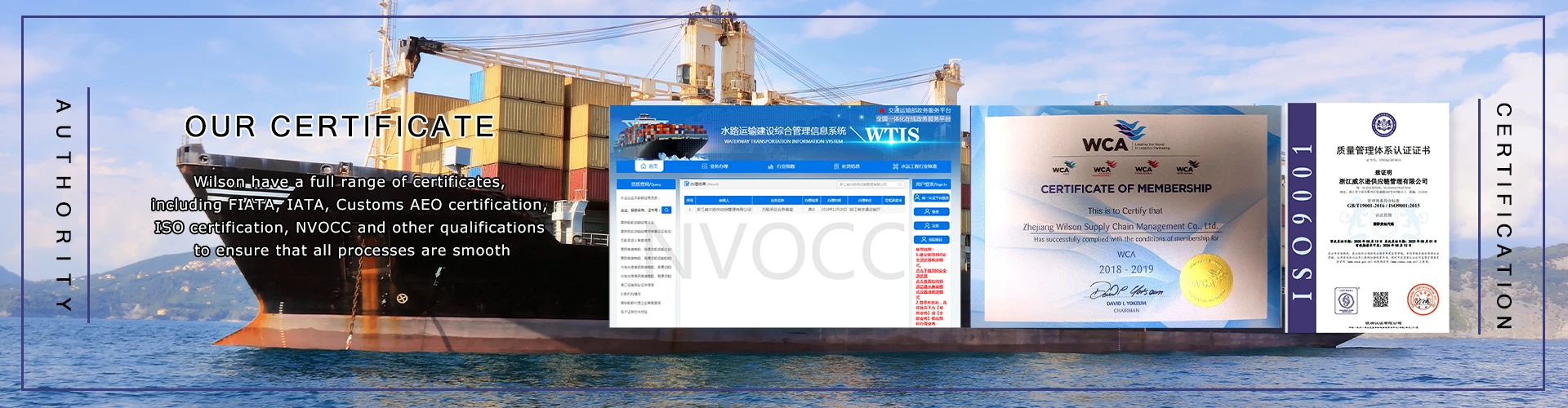
Zhejiang Wilson Supply Chain Management Co., Ltd. supports buyers with China warehouse receiving, supplier coordination, consolidation, export handling, air and sea freight solutions, and China-to-Iran logistics planning. If you are buying from Chinese online platforms or multiple suppliers and need a workable shipping plan to Iran, contact our team with your product details, weight, volume, pickup city, and destination address.