Shipping dangerous goods from China is not like moving regular cargo. One mismatch in paperwork, packaging, or labeling can stop the shipment cold at the forwarder's warehouse, the port terminal, or during export customs review. We see it happen regularly with lithium batteries, perfumes, paints, and industrial chemicals. The rules have tightened again in 2026. If you ship from China, you need to understand exactly what counts as DG and how to move it without costly rejections.
This guide walks through the basics, the China-specific realities, and the practical steps that actually work in day-to-day operations. At Zhejiang Wilson Supply Chain, we handle thousands of these shipments every year. The difference between smooth clearance and a refused container often comes down to preparation before the cargo even leaves the factory.

What Counts as Dangerous Goods (DG)?
Dangerous goods, or DG, are substances and articles that pose a risk to health, safety, property, or the environment during transport. The classification follows the United Nations model, which most countries and carriers adopt.
There are nine hazard classes:
Class 1: Explosives (rarely shipped commercially from China in volume)
Class 2: Gases (including aerosols and flammable gases)
Class 3: Flammable liquids (perfumes, nail polish, solvents, paints)
Class 4: Flammable solids, substances liable to spontaneous combustion, substances which emit flammable gases when in contact with water
Class 5: Oxidizing substances and organic peroxides
Class 6: Toxic and infectious substances
Class 7: Radioactive material
Class 8: Corrosive substances (acids like sulfuric or hydrochloric)
Class 9: Miscellaneous dangerous goods (this is where most lithium-ion batteries, lithium metal batteries, and sodium-ion batteries land)
In practice from China, the most common categories we handle are Class 3 (flammable liquids), Class 8 (corrosives), and especially Class 9 (batteries). Lithium batteries dominate many export inquiries right now.
Limited Quantity (LQ) and Excepted Quantity (EQ) allow smaller shipments to follow simplified rules. However, many shipments that look eligible on paper still get upgraded to full DG handling in China because the actual packaging, labeling, or documentation does not fully match the criteria. When that happens, you lose the cost and speed advantages you expected.
China updated its core standards with GB 6944-2025 and GB 12268-2025, which took effect on October 1, 2025. These align more closely with the latest UN recommendations and affect classification priorities and packaging group decisions. For sea transport, IMDG Code Amendment 42-24 became mandatory on January 1, 2026. Air transport follows the current IATA Dangerous Goods Regulations.
Key takeaway from this section: Always start with proper classification using the latest SDS and, when needed, a formal transport condition appraisal. Guessing or using last year's rules is the fastest route to problems.

Why Shipping Dangerous Goods from China Is Different
Every DG shipment from China faces three main checkpoints: the freight forwarder's warehouse acceptance, port or airport terminal gate-in, and final export documentation review. Local operators apply tighter scrutiny than you might see at destination.
Chinese ports and terminals have their own storage limits and safety policies. Some categories face seasonal restrictions or outright capacity caps. Domestic road legs to the port also follow stricter regional rules than pure international transit.
Carriers add another layer. Even if the goods comply with IATA or IMDG on paper, individual airlines and shipping lines maintain their own acceptance programs. A booking that looks fine in theory can still get refused at the terminal if labels, SDS statements, or packing do not tell exactly the same story.
This is why we treat China-origin DG as an acceptance-driven process more than a pure regulatory exercise. Consistency across classification, packaging, marking, labeling, and all documents matters more than almost anything else.
In 2026, with the new IMDG amendment fully in force and China's updated GB standards active, the margin for error has narrowed further.
Bottom line: Assume your shipment will be examined closely at origin. Prepare it that way from the beginning.
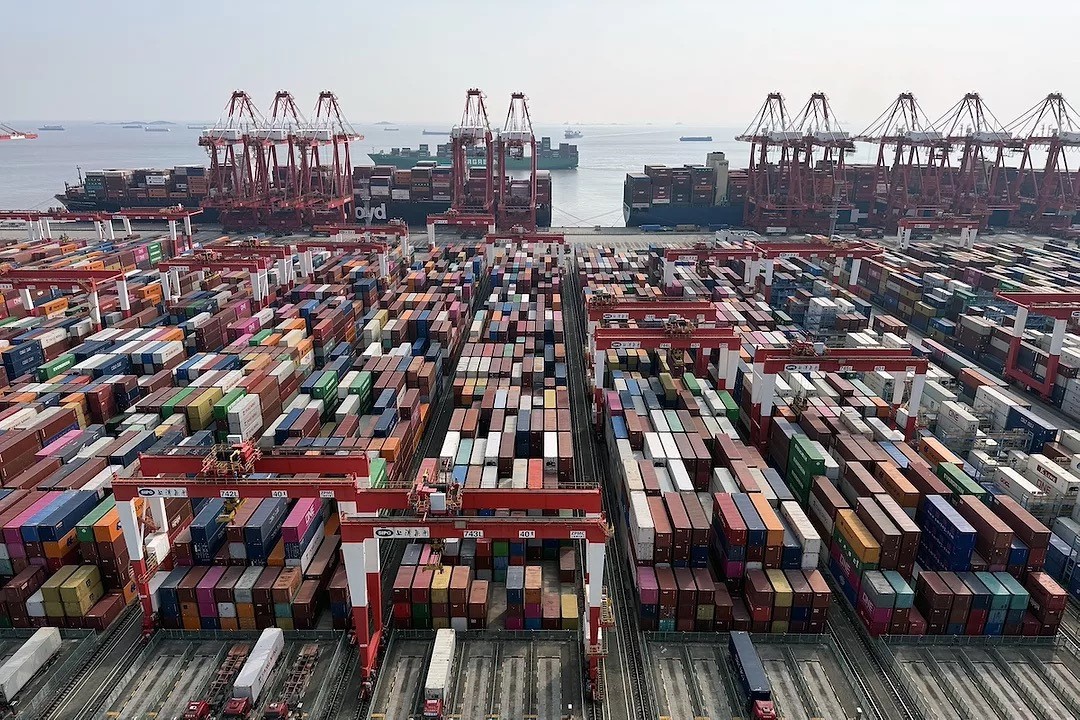
How to Handle Dangerous Goods Shipping from China: The 7-Step Workflow
Here is the practical sequence we use for most IMDG amendment
shipments. It reduces rejection risk when followed carefully.
1. Identify the commodity and confirm DG status
Gather the current SDS (Safety Data Sheet), battery data sheets if applicable, flash point information for liquids, concentration details for corrosives, and any other technical specs. Do not assume small quantities are automatically non-DG.
2. Classify correctly and lock in the shipment record
Determine the UN number, proper shipping name, primary and subsidiary hazard classes, packing group, and any special provisions. Misclassification is still one of the top reasons for refusal. When in doubt, obtain a Dangerous Goods Transport Condition Appraisal Report from an accredited Chinese lab (such as CCIC or SGS). This report is often required by forwarders and carriers before they will even quote.
3. Choose the right shipping mode
Air freight is fast but has the strictest acceptance and quantity limits. Ocean freight handles larger volumes more reliably in most cases, though it requires earlier cut-offs and attention to port storage rules. Road legs inside China need separate checks for local restrictions. Confirm carrier acceptance for your exact entry, quantity, and packing before booking.
4. Design and build the packaging
Use UN-certified packaging when required. For liquids, ensure proper inner containment and absorbent materials. For batteries, prevent short circuits with insulation and secure separation. Packaging must withstand stacking, vibration, and pressure changes. Weak cartons or incompatible materials cause immediate rejections at warehouse or terminal.
5. Prepare documentation and run a pre-check
Core documents typically include:
- Shipper's Declaration for Dangerous Goods (IATA for air, IMDG format for sea)
- SDS in both English and Chinese (GHS compliant)
- Commercial invoice and packing list with consistent descriptions
- UN Packaging Certificate
- Container Packing Certificate (CPC) for ocean consolidated shipments
- Lithium Battery Transport Appraisal Report when applicable
- Port DG declaration to MSA for sea shipments
- 24-hour emergency contact details
All documents must align perfectly with the physical cargo, labels, and SDS statements. We recommend a photo-based pre-check with your forwarder before the cargo moves.
6. Tender to the warehouse and pass terminal acceptance
This is where many shipments fail. Acceptance teams check carton strength, label placement, marking visibility, and document consistency. Any discrepancy often leads to refusal.
7. Execute, track, and maintain repeatable processes
Keep emergency contacts reachable. Document the entire workflow so your team can repeat it without variation. Consistent execution protects carrier relationships and keeps storage and rework costs down.
Follow these steps in order. Skipping or rushing any one of them usually creates problems later.
Common Mistakes When Shipping DG from China and How to Avoid Them
From experience, these issues come up repeatedly:
- Using an outdated or incomplete SDS that does not match the actual product or only exists in English.
- Wrong UN number or packing group, especially with viscous flammable liquids or new battery entries.
- Packaging that looks compliant but fails terminal inspection (weak closures, missing absorbents, mixed incompatible items).
- Labels or markings that conflict with the declaration.
- Assuming Limited or Excepted Quantity will apply without verifying the exact inner/outer limits and marks.
- Missing China-specific documents like the Transport Condition Appraisal Report or proper port declarations.
- Last-minute packing changes after documents are prepared.
- Choosing a forwarder without proven DG experience for the specific route and commodity.
The consequences range from delays and extra handling fees to full rejection, return shipment, or fines. In serious cases, authorities can hold or destroy the cargo.
Avoid these by building checks into each step above and working with a forwarder who reviews everything before the cargo leaves your supplier.
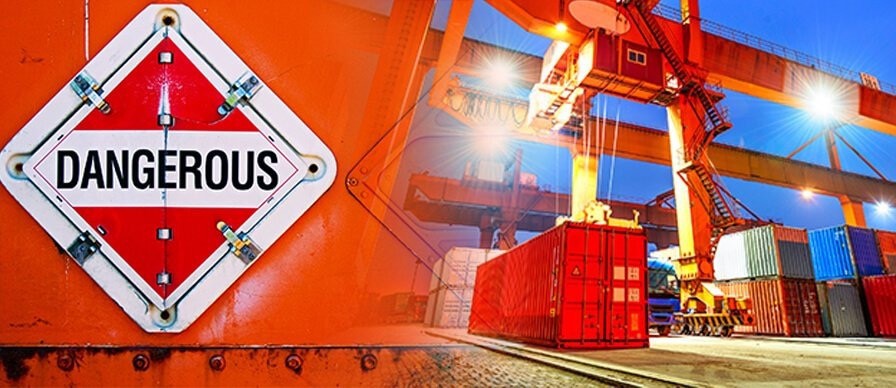
Choosing the Right Freight Forwarder for DG Shipments from China
Not every forwarder can handle dangerous goods well. Look for teams that maintain current IATA and IMDG training, have direct relationships with accepting carriers, and understand Chinese port and MSA requirements.
A capable freight forwarder will help with document pre-checks, coordinate appraisal reports, advise on mode and packing options, and track regulatory changes. They should also offer clear visibility on costs and timelines instead of surprises at gate-in.
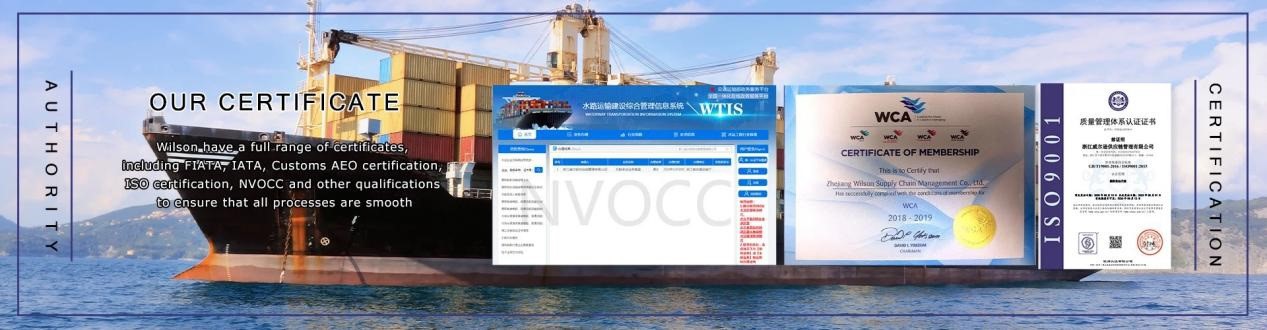
At Zhejiang Wilson Supply Chain Management Co., Ltd ., we specialize in building reliable global logistics networks, including optimized DG lanes. We handle classification support, full documentation workflows, and multi-mode shipments while focusing on compliance and efficiency. Many clients come to us after experiencing repeated rejections with other providers.
If you have a specific shipment in mind - whether lithium batteries, flammable liquids, or another category - we can review your SDS and provide a practical handling plan.
Final Thoughts
Shipping dangerous goods from China demands attention to detail at every stage. Get the classification right, prepare packaging and documents that match exactly, and work with people who know the local acceptance realities. The 2026 updates to IMDG 42-24 and China's GB standards have raised the bar, but shipments that follow a disciplined process still move reliably.
If you are planning a DG export and want to avoid the common pitfalls, reach out. We can discuss your commodity, review documentation needs, and outline the most suitable route. A short conversation early often saves significant time and cost later.
Contact the team at Zhejiang Wilson Supply Chain for a DG shipping assessment. We are here to make the process predictable.