Shipping from China to the Philippines remains one of the busiest intra-Asia routes in 2026. China continues as the Philippines' top import partner, moving everything from electronics and consumer goods to machinery and raw materials. Yet many first-time importers end up surprised by the final bill.
The quoted ocean freight is rarely the full story. Destination handling charges, Philippine Bureau of Customs (BOC) valuation on CIF basis, 12% VAT, and occasional port delays at Manila can push the real landed cost much higher than expected.
At Zhejiang Wilson Supply Chain Management Co., Ltd., we handle hundreds of shipments on this corridor every month. This guide pulls together current 2026 market realities - not theoretical numbers - so you can compare options, spot the hidden costs, and decide what actually makes sense for your cargo.

Shipping Options from China to the Philippines
Five practical ways exist to move goods from China to the Philippines. Each fits different volumes, urgency levels, and budgets.
FCL (Full Container Load) suits shipments of 15 CBM or more. You book the entire container - usually a 20ft or 40ft - and control the space.
LCL (Less than Container Load) works for smaller volumes. Your cargo shares container space with others and is charged by cubic meter.
Air freight targets urgent or high-value items under 500 kg. It costs more but cuts transit time dramatically.
Express courier (DHL, FedEx, UPS) handles samples and packages below 50 kg with door-to-door convenience.
DDP (Delivered Duty Paid) door-to-door service covers pickup in China, ocean or air movement, Philippine import clearance, duties, VAT, and final delivery to your address. Many SMEs now prefer it for shipments under 1–2 CBM to avoid separate invoices and coordination headaches.
Here's a direct comparison based on early-to-mid 2026 market observations:
|
Shipping Method |
Best For |
Typical Cost Reference (2026) |
Door-to-Door Transit Time |
Customs & Delivery Included? |
|
FCL Sea Freight |
15+ CBM bulk cargo |
20ft: $180–$445+ to Manila 40ft: $270–$550+ |
7–16 days |
No |
|
LCL Sea Freight |
0.5–15 CBM |
$35–$150+ per CBM |
10–22 days |
No |
|
Air Freight |
Urgent/high-value <500kg |
$1.30–$9.68 per kg |
2–5 days |
No |
|
Express Courier |
Samples <50 kg |
$21–$188 per shipment |
1–7 days |
Usually yes |
|
DDP Door-to-Door |
<1–2 CBM hassle-free |
27–43 RMB/kg (approx.) |
8–15 days |
Yes |
Note: All figures are reference ranges compiled from current market data. Actual rates fluctuate with fuel surcharges, equipment availability, origin port, and booking timing. Always request a fresh quote for your specific shipment.
For most regular importers, sea freight still wins on cost once volume exceeds half a container. Smaller or time-sensitive orders often shift toward DDP or air once you factor in all destination charges.
Sea Freight Costs in 2026: FCL and LCL Breakdown
Sea freight handles the majority of volume on this route because of the short distance and decent frequency of sailings.
FCL gives you the lowest per-unit cost when you can fill most of a container. In early 2026, 20ft containers to Manila have been seen in the $180–$445 range depending on carrier and exact timing, while 40ft sits higher. Southern Chinese ports like Shenzhen often post more competitive numbers than northern ones. The real advantage appears above 15–18 CBM - your cost per cubic meter drops sharply compared with LCL.
LCL remains flexible for medium shipments. Rates typically run $35–$150+ per CBM, with lower figures from high-volume consolidation points such as Shenzhen or Guangzhou. Carriers calculate chargeable volume as length × width × height × number of packages, and they usually apply a minimum of 0.5–1 CBM.
Here's what catches many new importers off guard with LCL: the destination side charges. Arrastre, wharfage, CFS handling, and terminal handling (DTHC) frequently arrive as a separate invoice after the cargo lands. These can easily equal or exceed the original ocean freight quote. This is exactly why we push clients toward a written all-in quote whenever possible.
Quick rule of thumb we use internally: Below 15 CBM, compare LCL and DDP total landed cost carefully. Above 18–20 CBM, FCL usually becomes the clearer choice on pure economics.
Extra costs to watch in 2026 include bunker adjustment factor (BAF), port handling, and inland trucking from your supplier to the Chinese port. These add up fast if not locked in upfront.
Air Freight, Express, and DDP Options
When speed matters more than cost, air freight steps in. Rates for shipments over 1,000 kg have hovered around $1.30–$5+ per kg in recent months, with smaller weights carrying higher per-kilo pricing. Airlines use chargeable weight - the higher of actual gross weight or dimensional weight (length × width × height in cm ÷ 6000). High-value electronics or urgent spare parts often justify the premium.
Express services work well for samples and very small packages. They usually include basic door-to-door handling and can clear under simplified procedures when the CIF value stays below the Philippine de minimis threshold of PHP 10,000 (though this does not apply to formal sea or air cargo entries).
DDP door-to-door has grown popular with Shopee, Lazada, and TikTok Shop sellers. The forwarder manages everything - export clearance in China, ocean or air movement, Philippine import clearance, duties, 12% VAT, and last-mile delivery. For shipments under 1 CBM, the all-in price often beats traditional LCL once you add up all the separate destination fees and broker charges. You avoid needing your own BOC accreditation and reduce the risk of surprise invoices.
Choose based on real priorities. If inventory holding cost or lost sales from delay exceed the freight difference, air or DDP starts to make sense.
Transit Times and Major Ports Comparison
Pure sailing time from China to the Philippines is relatively short, but total door-to-door time tells a different story.
Typical ranges we see in 2026:
- FCL sea: 7–16 days
- LCL sea: 10–22 days
- Air freight: 2–5 days
- Express: 1–7 days
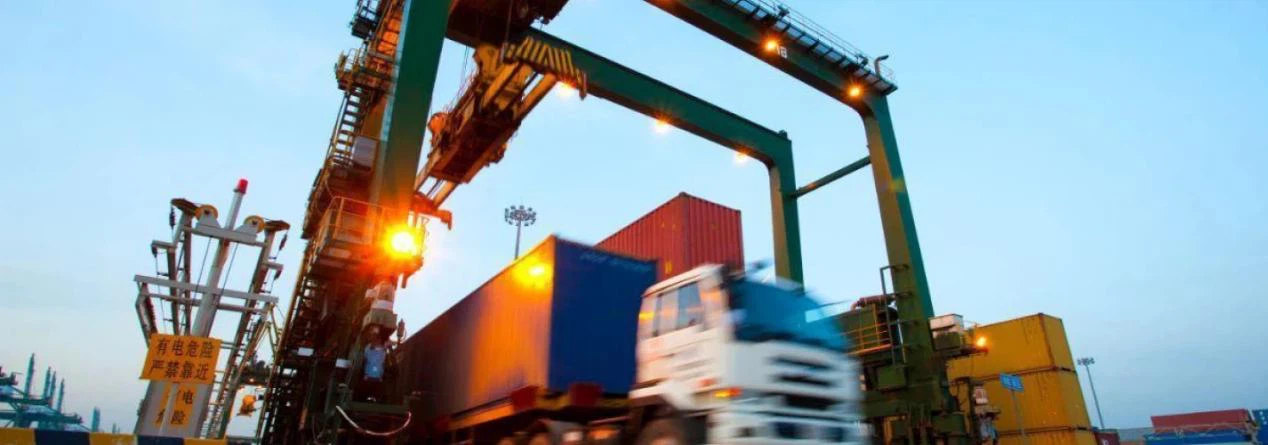
Manila (especially MICT) handles the largest volume but regularly experiences congestion that can add 5–10 extra days for yard clearance or examination slots. Cebu and Davao often run smoother for shipments destined to Visayas or Mindanao, though base ocean rates may differ.
Key Chinese departure ports include Shenzhen, Shanghai, Ningbo, Guangzhou, and Xiamen. Shenzhen usually offers the most frequent and competitive services to Manila.
Peak season disruptions hit hard around Chinese New Year (late January–February 2026) and Golden Week. Book at least 3–4 weeks earlier than normal during these windows, or you risk space shortages and rolled bookings.
Weather, especially typhoon season, can also shift schedules. A reliable forwarder with strong local Philippine contacts helps reroute or accelerate clearance when needed.
Key Factors Affecting Shipping Costs in 2026
Several variables move the final number more than the base rate.
Cargo characteristics come first. High volume-to-weight ratio goods get charged on volume; dense items may shift to weight. Special categories add surcharges: lithium batteries, dangerous goods (+25–40%), cold chain (+25–60%), or oversized project cargo.
External pressures include fuel price swings (reflected in BAF), equipment repositioning tightness, and seasonal demand. Intra-Asia routes have stayed relatively stable compared with trans-Pacific, but early booking still protects against last-minute spikes.
Trade terms matter. FOB leaves you responsible for origin costs; DDP shifts almost everything to the forwarder. Port-to-port is cheapest on paper but demands you handle Philippine-side logistics yourself.
Sustainable routing and network optimization can trim both cost and carbon footprint. We increasingly help clients consolidate shipments or adjust ports to balance speed, cost, and reliability.
Philippines Customs Clearance and Duties Guide
Philippine customs calculate duties and taxes on the CIF value - Cost of goods + Insurance + Freight.
Basic calculation flow:
- Determine CIF in PHP using current exchange rate.
- Apply the tariff rate (based on HS code) to the CIF value → Import Duty.
- Add 12% VAT on (CIF + Duty).
Example (simplified): Electronics with FOB $500, freight $80, insurance $10 → CIF $590. At a 10% tariff and current exchange, duty might run around PHP 3,300+, with VAT adding another PHP 4,400+ on the combined amount. Total customs charges can reach 20%+ of CIF before broker or handling fees.
Many goods qualify for reduced rates under the ASEAN-China Free Trade Agreement (ACFTA) via Form E Certificate of Origin. Eligible items can drop from standard MFN rates (sometimes 10–20%) down to 0–5%. Your Chinese supplier must apply for Form E through CCPIT before shipment. Include it with your documents so the Philippine broker can claim the preference.
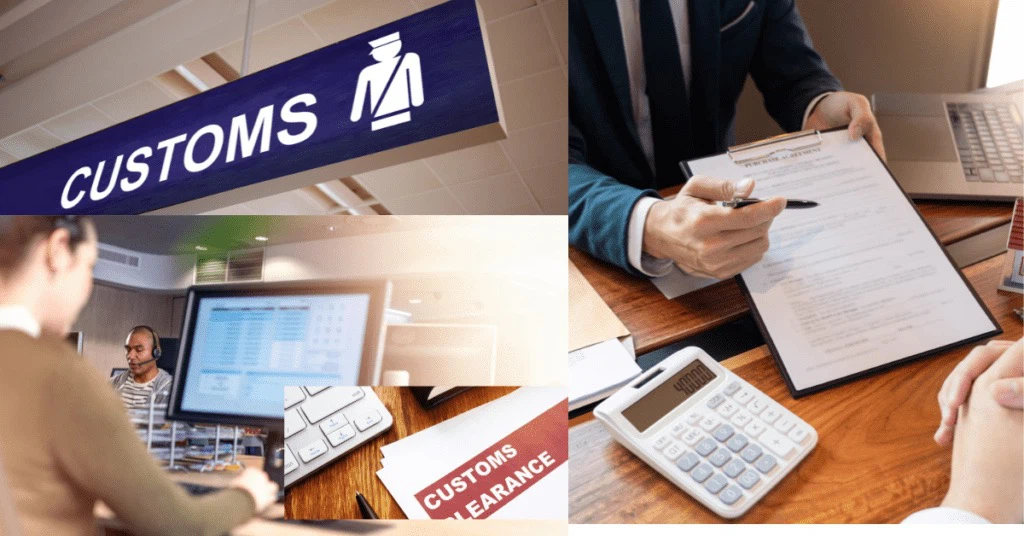
Required documents usually include Commercial Invoice, Packing List, Bill of Lading or Air Waybill, and Form E where applicable. Restricted items may need additional permits from FDA, DA, or NTC.
First-time formal importers often need BOC accreditation. With DDP service, the forwarder typically clears under their own accreditation, simplifying things for the buyer.
Accurate HS code classification is critical. Wrong classification can trigger re-assessment, delays, or penalties. We always double-check this early in the quoting process.
De minimis rules allow simplified entry for very low-value express shipments under PHP 10,000 CIF, but sea and air cargo generally require full formal processing regardless of value.
How to Choose a Freight Forwarder and Optimize Costs
Not all forwarders deliver the same outcome on this route. Some quote low ocean freight but leave you exposed to multiple destination invoices. Others control both ends of the chain and provide genuine all-in pricing.
When requesting quotes, ask in writing:
- Does the price include destination terminal handling, arrastre, wharfage, and CFS charges?
- Is customs brokerage and BOC filing covered?
- Are duties and 12% VAT included (for DDP) or will they be billed separately?
- Does the quote cover last-mile delivery to my address?
A forwarder that cannot answer these clearly raises a red flag.
Optimization comes from planning. Book early to secure space and rates. Consolidate multiple SKUs where possible. Review packaging to reduce chargeable volume. Diversify ports when Manila congestion looks likely. Claim Form E whenever eligible - the duty savings compound quickly.
For many clients, switching smaller shipments to DDP has cut total coordination time and unexpected costs. Larger consistent volumes benefit from FCL contracts and network-level optimization.
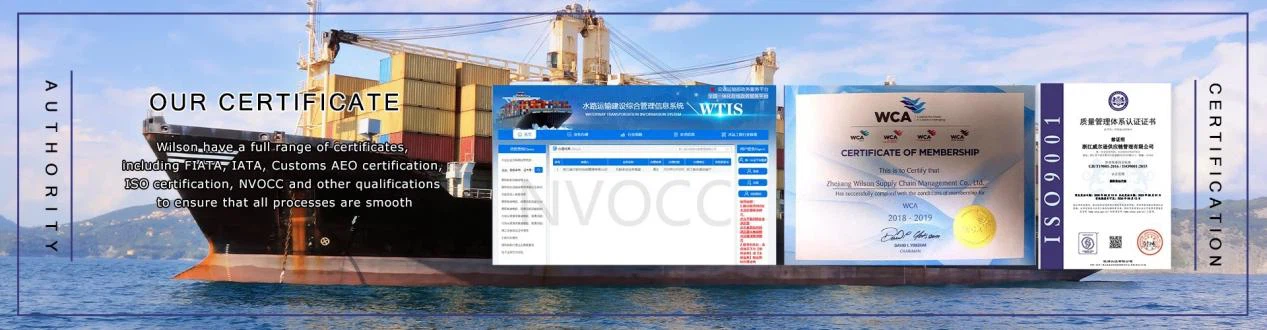
Zhejiang Wilson Supply Chain Management Co., Ltd. Founded in 2011 and headquartered in Ningbo, China, it has grown to become a leading international freight forwarder and supply chain solutions provider in China. We operate with strong coverage on both sides of the route. This lets us own the handoff instead of passing responsibility to third-party agents, which reduces delays and communication gaps.
Final Thoughts
The China-to-Philippines corridor offers solid economics in 2026, but success depends on seeing beyond the headline freight rate. Understand your true landed cost, plan around port realities, and choose a partner who can deliver transparency and control.
Whether you move a few CBM of samples or full containers of electronics, getting the right mix of mode, routing, and documentation makes the difference between smooth replenishment and costly surprises.
Need a current quote for your specific shipment? Share the details - volume, weight, HS code, origin and destination points - and we'll provide a clear all-in breakdown with options.
Contact Zhejiang Wilson Supply Chain Management Co., Ltd. today. We help businesses build reliable, efficient, and sustainable logistics networks across this and other global corridors.