In the fast-paced operations of global supply chains, accurately understanding logistics terminology is crucial for freight forwarders, shippers, and logistics practitioners. The terms "port" and "terminal" are often confused, leading to confusion when handling fees, documentation, or operations. This article will clarify the distinction between ports and terminals from the professional perspective of freight forwarding services, exploring in depth their roles, management, costs, and practical applications in maritime logistics to help optimize transportation efficiency.
What is a Port?
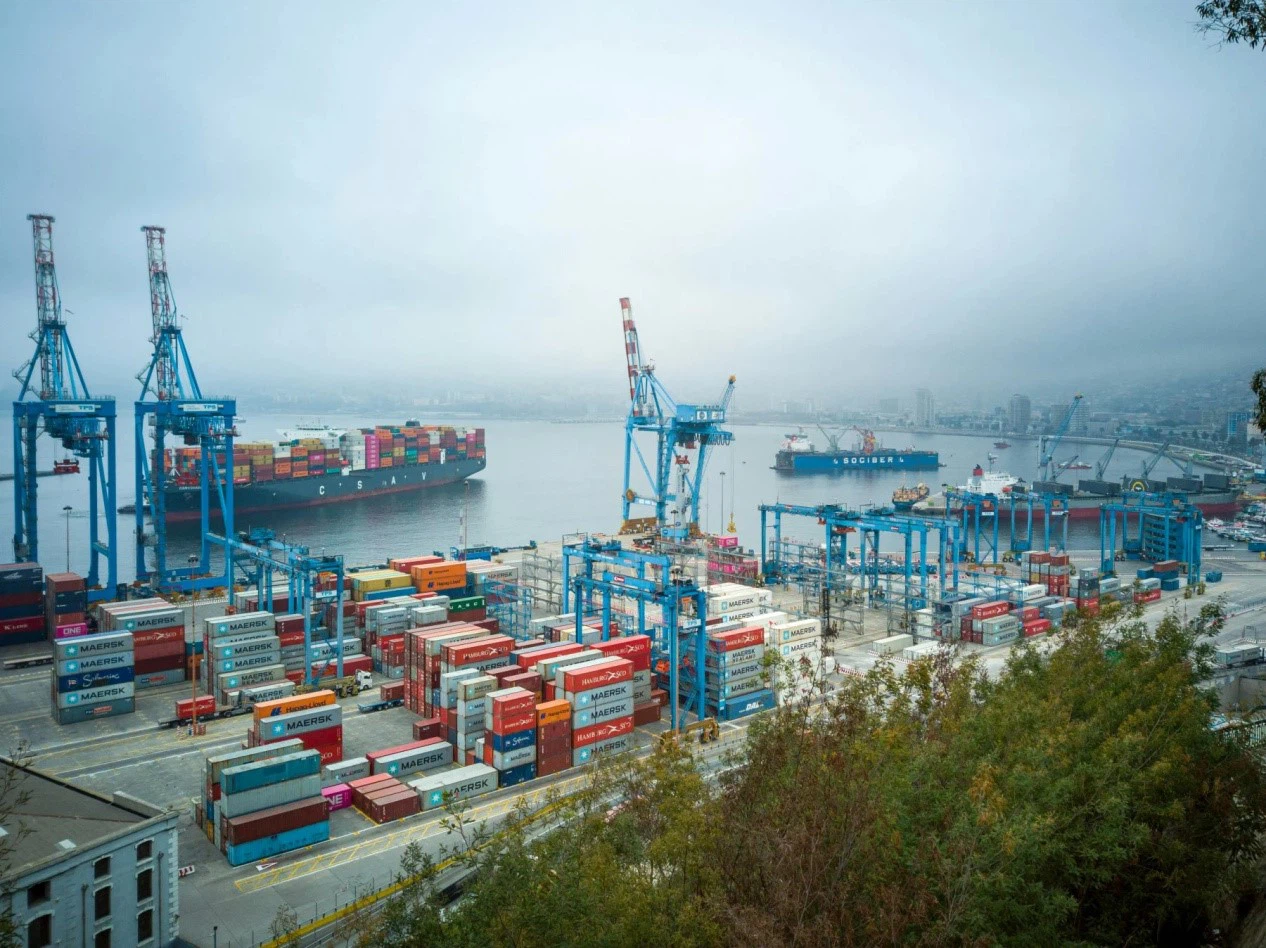
A port is a large maritime facility, typically covering tens of square kilometers, similar to a "transportation and logistics city" that connects maritime and land transport. Ports serve as core hubs in the global supply chain, responsible for handling the transfer of cargo or passengers between vessels and land-based transportation modes (such as trucks, trains, or inland waterway shipping).
Primary functions of ports include:
- Vessel berthing: Providing safe anchorage points for ships
- Navigation and traffic management: Managing vessel entry and exit through pilotage and traffic services
- Customs and clearance: Handling regulatory inspections for international trade
- Maintenance and supply: Providing ship repair and fuel supply services
- Intermodal transport: Connecting maritime transport with road, rail, or dry port land-based transportation
Port types are classified by purpose and geographical location:
- Seaports: Handle international maritime trade (such as Shanghai Port, the world's largest container port)
- Inland ports: Located on rivers or canals (such as ports along the Mississippi River in the United States)
- Dry ports: Inland facilities connected to seaports via rail or road
- Fishing ports: Dedicated to seafood processing
Ports are typically managed by port authorities (mostly government agencies), responsible for planning, safety, fee structures, and infrastructure coordination. For example, the world-renowned Port of Rotterdam processes over 14.8 million TEU (Twenty-foot Equivalent Units) annually, with the Rotterdam Port Authority coordinating operations across its more than 90 terminals.
What is a Terminal?
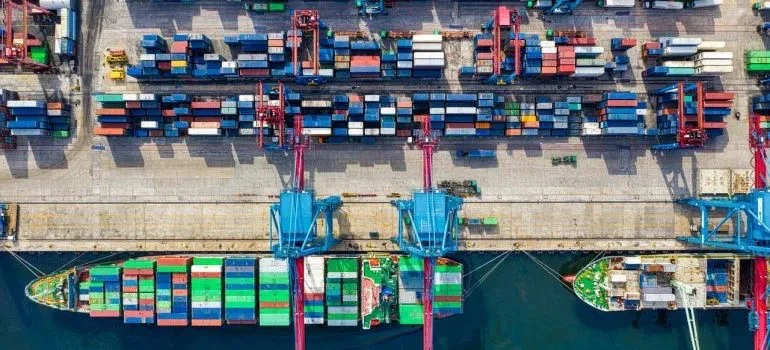
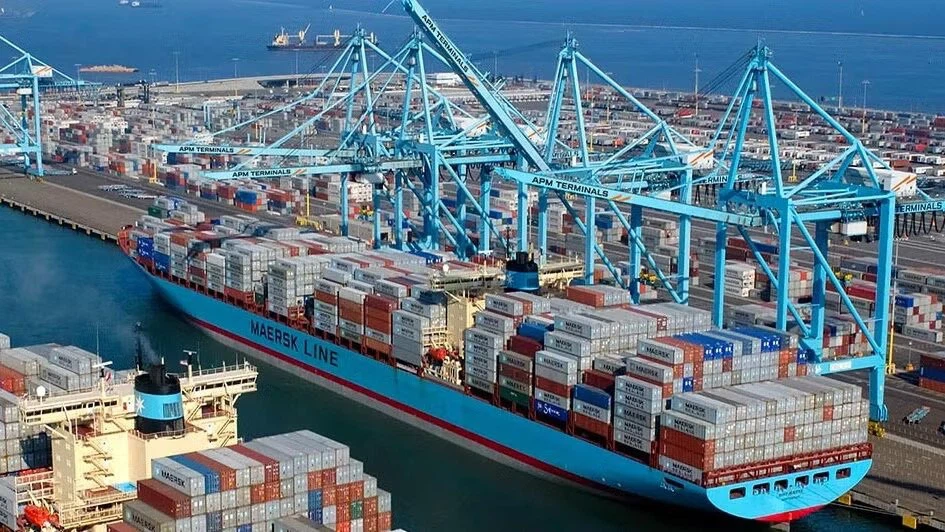
A terminal is a specialized functional area within a port, designed specifically for the loading, unloading, and handling of particular types of cargo or passengers, similar to "building units within a port city." Terminals are operated by private companies or concessionaires, responsible for specific operations between vessels and the shoreline.
Terminal types are classified by cargo or service type:
- Container terminals: Handle standard containers
- Bulk terminals: Handle dry bulk cargo such as grain and coal
- Liquid terminals: Handle petroleum, natural gas, or chemicals
- Roll-on/Roll-off (Ro-Ro) terminals: Used for vehicle transportation
- Passenger terminals: Serve ferries or cruise ships
Main operational processes of container terminals:
- Quay operations: Vessel berthing and departure
- Crane operations: Using quay cranes to move containers from ships to shore
- Yard operations: Storage and scheduling of containers in the yard
- Gate operations: Loading containers onto trucks or trains
For example, at Singapore Port, the PSA and Jurong terminals are coordinated by the Maritime and Port Authority of Singapore (MPA), serving as a vital global transshipment hub.
Key Differences Between a Port and a Terminal
To clarify the distinction, think of a port as the overarching "hub" and a terminal as a specialized "unit" within it. Here's a detailed comparison:
|
Feature |
Port |
Terminal |
|
Definition |
A large coastal or inland facility for maritime trade |
A specific facility within a port for cargo/passenger handling |
|
Scale |
Encompasses multiple terminals, often vast geographic areas |
A single, specialized unit within a port |
|
Management |
Overseen by port authorities (often public entities) |
Operated by private companies or concessionaires |
|
Services |
Navigation, customs, repairs, intermodal connectivity |
Loading and unloading cargoes, storage, equipment operations |
|
Costs |
Port dues, pilotage, anchorage, security fees |
Terminal Handling Charges (THC), yard storage, equipment fees |
|
Documentation |
Port entry permits, customs declarations, ship schedules |
Terminal Handling Instructions (THI), packing lists, invoices |
|
Freight Forwarder Role |
Coordinate scheduling, customs, multimodal logistics |
Supervise loading/unloading, inspect cargo, resolve issues |
Practical Implications
Cost Structures: Port dues cover navigation and infrastructure use, while Terminal Handling Charges (THC) relate to specific operations like crane usage or yard storage. For example, THC varies across terminals within the same port due to differences in equipment, labor, or efficiency.
Responsibility: Port congestion (e.g., due to labor strikes) falls under the port authority's purview, while terminal delays (e.g., equipment failures) are the terminal operator's responsibility.
Cargo-Specific Needs: LCL (Less than Container Load) shipments are handled at a Container Freight Station (CFS) within a terminal for consolidation/deconsolidation, while FCL (Full Container Load) shipments go directly to the container yard (CY).
Why the Distinction Matters in Freight Forwarding
Understanding the roles of ports and terminals is critical for freight forwarders to optimize operations and manage costs. Here's how the distinction impacts logistics:
- Cost Clarity: Freight forwarders must differentiate between port fees (e.g., anchorage) and terminal fees (e.g., THC) when preparing quotes for clients. Misinterpreting these can lead to budgeting errors.
- Operational Efficiency: Knowing which terminal handles specific types of cargo (e.g., refrigerated goods at a cold-chain terminal or hazardous materials at a specialized facility) ensures proper routing.
- Liability and Claims: If cargo is damaged during terminal operations (e.g., dropped during crane handling), the terminal operator is typically liable. However, losses in port waters (e.g., during navigation) fall under the port authority's responsibility.
Real-World Example
Consider a shipment arriving at the Port of Rotterdam:
- The port authority ensures the vessel's safe entry and navigation.
- The cargo is unloaded at a specific terminal (e.g., a container terminal like ECT Delta), where cranes move containers to the yard, and gate operations transfer them to trucks or trains.
- For an LCL shipment, the cargo moves to a CFS for deconsolidation before final delivery.
Choosing the Right Port and Terminal
For freight forwarders and shippers, selecting the right port and terminal is a strategic decision. Consider these factors:
Port Selection
- Geography and Connectivity: Choose ports with strong intermodal links (e.g., Rotterdam's rail connections to inland Europe).
- Customs Efficiency: Ports with streamlined clearance processes reduce delays.
- Congestion Levels: Avoid ports with frequent bottlenecks (e.g., Los Angeles during peak seasons).
- Intermodal Access: Ensure robust connections to highways, railways, or inland ports.
Terminal Selection
- Cargo Compatibility: Match cargo type to terminal specialization (e.g., bulk terminals for coal, Ro-Ro for vehicles).
- Equipment and Efficiency: Opt for terminals with advanced cranes or automated guided vehicles (AGVs) for faster handling.
- Cost Transparency: Compare THC and storage fees across terminals.
- Operational Reliability: Check terminal track records for delays or equipment issues.
Practical Tips
- Pre-Check Regulations: Confirm port and terminal operating rules to avoid surprises.
- Build Relationships: Collaborate closely with terminal operators for smoother coordination.
- Monitor Congestion: Use real-time updates to adjust shipment schedules and avoid delays.
- Understand Fees: Clarify storage rules to prevent demurrage or detention charges.
Global Examples
- Shanghai Port: The world's largest container port, with terminals like Yangshan and Waigaoqiao, excelling in automation and smart port technology.
- Singapore Port: A transshipment leader with PSA and Jurong terminals, managed by the Maritime and Port Authority.
- Port of Hamburg: Europe's rail-linked hub, with 50.7% of cargo moved by train, enhancing inland distribution.
Modern Trends Shaping Ports and Terminals
The logistics landscape is evolving rapidly:
- Digitalization: Automated cranes, AGVs, and real-time tracking (e.g., Qingdao Port's smart systems) enhance efficiency.
- Green Initiatives: Ports and terminals adopt clean energy and emissions controls to meet sustainability goals.
- Supply Chain Integration: Terminals offer value-added services like cross-docking or packaging to streamline logistics.
FAQs
Is THC a port fee?
No, THC (Terminal Handling Charge) covers terminal-specific operations like loading/unloading, while port fees include dues for navigation or anchorage.
Why do different terminals in the same port charge different rates?
Terminal operators vary in equipment, labor costs, and service levels, leading to differing fee structures.
Who is responsible for cargo loss or damage?
If damage occurs during terminal operations (e.g., crane mishandling), the terminal operator is liable. Losses in port waters are typically the port authority's responsibility.
How are LCL shipments handled?
LCL cargo is consolidated at the origin terminal's CFS, shipped in shared containers, and deconsolidated at the destination terminal's CFS or bonded warehouse.
What causes port congestion vs. terminal delays?
Port congestion stems from broader issues like labor strikes or scheduling (port authority's domain), while terminal delays result from equipment failures or operational bottlenecks (terminal operator's responsibility).
Conclusion
Ports and terminals are important transit hubs for global trade, handling 90% of the world's cargo through seamless coordination. By understanding the unique roles of ports as hubs and terminals as specialized facilities, import and export companies and freight forwarders can optimize operations, reduce costs, and improve freight efficiency.
If you are looking for a reliable freight forwarding company , Zhejiang Wilson Supply Chain Management Co., Ltd. is China's leading international freight forwarding and supply chain solution provider. We understand the transportation processes of major ports and terminals in the world. We provide a full range of transportation services from China to major global markets such as the Americas, Europe, the Middle East, Africa, Oceania and Asia. We work with a wide range of industries such as chemicals, automobiles, food and energy to streamline their supply chains and build a sustainable and efficient global logistics network. Contact us now to learn more about sea freight services just. ( lucy@ylls.net )