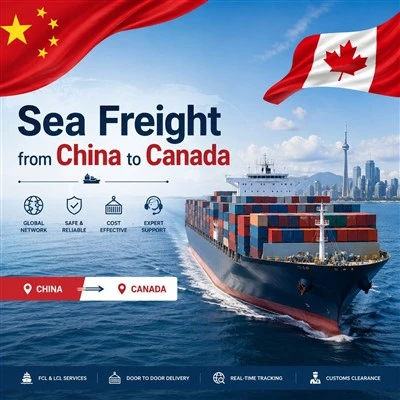
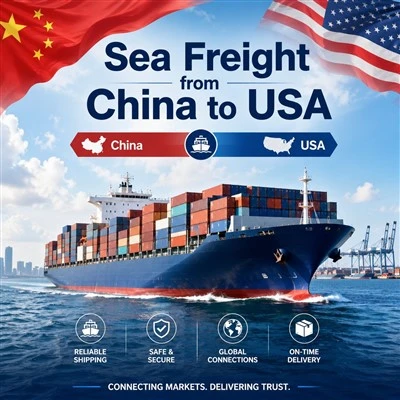
Transporting vehicles across international borders requires precision, protection, and complete compliance. Among the many shipping methods available today, container car shipping has emerged as one of the most reliable, secure, and versatile solutions for individuals and businesses alike. Whether you're relocating overseas, managing dealership exports, or transporting a classic or non-operational vehicle, using a shipping container offers unmatched protection and flexibility for your valuable cargo.

What Is Container Car Shipping & Why It's Chosen
Definition and Core Values
Container car shipping refers to the process of loading vehicles into standardized steel containers-typically 20-foot or 40-foot units-for ocean transport. This method shields vehicles from environmental exposure and provides a controlled, sealed environment from origin to destination.
Protection is the foremost advantage. The container acts as a barrier against harsh marine weather, salt corrosion, and accidental impact. It's the preferred option for classic cars, luxury vehicles, or high-value units where even minor damage can be costly.
Security is another key factor. Once sealed, every container is assigned a unique Seal Number, which is documented on all transport paperwork and verified upon arrival. This chain of custody ensures that the container remains unopened throughout transit, minimizing risks of theft or tampering.
Flexibility makes container transport ideal for a wide variety of vehicles, including non-running, project, or partially assembled cars. Unlike roll-on/roll-off (RoRo) services that require a drivable vehicle, container shipping can accommodate those needing special handling.
Integration is also a cost-saving advantage. Multiple vehicles can share one container under consolidation or LCL (less-than-container load) arrangements. In some cases, owners can include small spare parts, accessories, or limited personal items-provided they comply with customs regulations at both ends.
Who Uses Container Car Shipping
Container shipping caters to a broad audience:
- Private collectors who demand pristine, damage-free delivery of vintage or rare cars.
- Car dealerships and exporters shipping several units to overseas markets.
- Motorsport teams or auto show exhibitors transporting performance or concept vehicles.
- Relocating individuals bringing their own vehicles to a new country.
- Freight forwarders and consolidators seeking to optimize multi-vehicle or multi-client shipments.
From a single sports car bound for Europe to a fleet of SUVs headed to Africa, container shipping offers a professional, scalable solution that balances safety, control, and efficiency.
Container Types, Sizes & Typical Capacity
Selecting the right container type is essential for both safety and cost-efficiency. The size and configuration must match the vehicle's dimensions, weight, and required clearance.
Standard 20', 40', and 40' High Cube Containers
|
Container Type |
Internal Length |
Internal Width |
Internal Height |
Best For |
|
20-Foot Standard |
5.89 m (19'4") |
2.34 m (7'8") |
2.38 m (7'10") |
One standard car |
|
40-Foot Standard |
12.01 m (39'5") |
2.34 m (7'8") |
2.38 m (7'10") |
Two large cars or three midsize cars |
|
40-Foot High Cube |
12.01 m (39'5") |
2.34 m (7'8") |
2.69 m (8'10") |
Taller vehicles such as SUVs, vans, or cars with roof racks |
The 40-foot container remains the most versatile option for exporters and collectors moving multiple vehicles, while the 20-foot unit is perfect for single-vehicle shipments or shorter routes.
Typical Vehicle Configurations
- 20-Foot Container: One standard vehicle, or in limited cases, two compact cars placed end-to-end.
- 40-Foot Container: Two large sedans or SUVs; three midsize vehicles; or up to four compact models when advanced stacking systems are used.
- 40-Foot High Cube (HC): Ideal for high-roof vans, pickup trucks, or taller vehicles requiring extra clearance.
Multi-Level Rack Systems
Modern shipping companies employ multi-tier systems such as R-Rak and EL-Rak to maximize capacity within each container. These modular racks allow vehicles to be securely positioned at angles or lifted onto upper frames, effectively increasing usable space by 50% to 100%. They are particularly beneficial for multi-car shipments, dealership exports, or group consolidations, enabling significant cost savings without compromising safety.

Professional Loading Methods & Equipment
Loading a vehicle into a container is a highly technical operation that demands trained personnel, specialized tools, and precise execution.
Drive-In / Winch-In / Forklift + EL-Rak
- Drive-In Loading: For operational vehicles, driving directly into the container is the simplest and fastest method. It requires experienced operators to ensure precise alignment, as container interiors offer limited clearance for doors and mirrors.
- Winch-In Loading: Non-operational vehicles are carefully winched inside. This allows controlled movement without engaging the vehicle's drivetrain, minimizing mechanical stress.
- Forklift + EL-Rak Loading: When a car cannot be rolled or winched-such as partially assembled or heavy classic models-EL-Rak systems combined with forklifts enable safe elevation and placement without undercarriage contact.
Each method is selected based on the car's condition, clearance, and transport configuration. Attention to ramp angle, ground clearance, and turning radius prevents scraping or alignment issues during entry.
Loading Process Overview
- Measurement & Positioning: Vehicle dimensions are checked to determine alignment within the container.
- Guided Entry: Staff use ramps or guide rails to control movement and prevent contact with container walls.
- Centering & Spacing: Once positioned, equal spacing is verified on both sides.
- Securing Points: Tie-down points are selected at manufacturer-approved towing eyes or frame positions.
- Sealing & Documentation: After securing, doors are closed, and the container is sealed with a verified Seal Number logged on the packing list.
Handling Non-Running or Special Vehicles
Classic, modified, or non-operational vehicles often require tailored handling. Professional freight forwarders use soft-strap systems, protective wheel sleeves, and custom ramps to ensure delicate components-such as low bumpers, exhausts, or undertrays-remain undamaged. Vehicles with unique shapes or oversized accessories may need extended containers or specialized loading jigs for safety.
Securing Standards Inside the Container
Securement Systems
Proper securement is the foundation of safe car shipping. Each vehicle is stabilized using a four-point tie-down system-wheel chocks or wedges combined with high-tensile webbing straps. Slightly compressing the suspension helps reduce vibration and vertical movement during ocean swells.
Whenever possible, polyester webbing is preferred over wire rope to prevent scratches or surface damage. Additional anti-friction mats, rubber pads, or wooden bracing help distribute load stress and minimize contact wear between the tires and floor.
Multi-Car Separation and Safety Distance
When multiple vehicles share one container, maintaining safe spacing is crucial. A minimum 30 cm (12-inch) gap between vehicles allows for inspection and prevents collision during transit. Foam padding, cardboard dividers, or rubber panels can further absorb movement and protect finishes.
Documentation and Records
Every securing point, strap angle, and lashing tension is documented. The number of tie-downs, Seal Number, and photographic evidence are included in the packing list and pre-shipment report. This serves as proof of proper loading and facilitates smooth insurance and customs processing if required.
Pre-Shipment Vehicle Preparation
Inspection and Cleaning
Before loading, vehicles must be clean and mechanically sound. Wash the exterior thoroughly to expose any pre-existing marks and take multi-angle photographs for recordkeeping. Check tire pressure, brakes, lights, and fluid leaks. Repair minor issues that might worsen during the voyage.
Fuel and Battery Management
For internal combustion vehicles, fuel tanks must contain no more than one-quarter of capacity or 250 liters, whichever is lower, in compliance with international maritime safety standards. The 12V battery should be disconnected to prevent short circuits.
For electric and hybrid vehicles, maintain the battery's State of Charge (SOC) between 30% and 50% and insulate the terminals to prevent accidental discharge. Many EVs offer a designated transport mode-activate it to stabilize the high-voltage system during shipping.
External and Internal Protection
Remove or secure all loose items from the cabin and trunk. Cover exposed surfaces such as mirrors, bumpers, and windshields with static film or tailored protective covers. Slightly overinflate tires (about 10%) to compensate for long-term storage and temperature variations. Disable all alarms to avoid unnecessary battery drain.
Compliance & Documentation
IMDG / UN Regulations by Vehicle Type
Different vehicle types fall under distinct international codes:
- Internal Combustion Engines (ICE): Classified under UN1202 (diesel) or UN1203 (gasoline).
- Electric or Hybrid Vehicles (EV/HEV): Fall under UN3171 (Battery-Powered Vehicle) or UN3480 (Lithium-Ion Battery).
Depending on the fuel level or battery configuration, vehicles may require Dangerous Goods (DG) declaration following the International Maritime Dangerous Goods (IMDG) Code. Proper classification ensures compliance and prevents port delays or fines.
Core Documentation Checklist
- Commercial Invoice & Packing List
- Bill of Lading (B/L)
- Certificate of Origin
- VIN (Vehicle Identification Number) List
- Registration & Insurance Documents
- Export/Import Permits (as required by destination country)
- DG Documents (if applicable): Material Safety Data Sheet (MSDS), UN38.3 Battery Report, Dangerous Goods Container Packing Certificate, and maritime authority filing confirmation.
Destination-Specific Requirements and Pre-Clearance
Every country enforces its own automotive import regulations. For instance, EU ports may require emissions compliance verification, while certain Middle Eastern countries mandate empty fuel tanks. Conducting a pre-clearance review-verifying paperwork, labeling, and VIN consistency-helps avoid costly demurrage and delays.
Partnering with an experienced freight forwarder ensures all documents align with international and local requirements, streamlining customs clearance and minimizing risk at the destination.
In-Transit Controls & Monitoring
Once the container is sealed and loaded onboard, the focus shifts to monitoring stability, humidity, and shipment progress throughout the voyage. Professional logistics teams and shipping lines employ advanced tools and standardized inspection protocols to ensure vehicles arrive exactly as they were loaded.
Routine Inspections & Retightening
During long-distance sea transport, the vessel encounters motion from waves and varying temperatures that can affect lashings and chocks. Crews or certified surveyors perform periodic lashing inspections at scheduled intervals-typically after departure, mid-voyage, and before arrival.
- Lashing tension must remain within the recommended range to prevent vehicle movement. Any slack straps are re-tightened immediately.
- Wheel chocks and wooden blocks are examined for wear, splitting, or displacement. Damaged components are replaced to maintain grip and balance.
- Shock absorbers and cushions are checked to confirm they are effectively reducing vertical vibration.
A detailed inspection log is maintained to document each verification, providing traceability and evidence of proper maintenance during transit.
Moisture and Corrosion Control
Sea voyages expose containers to extreme humidity and salt-laden air. To protect the vehicles, logistics professionals employ multi-layer moisture management systems, including:
- Desiccant packs or moisture-absorbing pads strategically placed along the floor and walls.
- Ventilation devices that promote controlled air exchange and reduce condensation.
- VCI (Vapor Corrosion Inhibitor) technology, where applicable, releasing anti-rust vapors that coat metal surfaces with a microscopic protective film.
- For high-value or long-term shipments, some operators even use inert gas environments (such as nitrogen flushing) to minimize oxidation and corrosion risk.
Online Tracking & Milestone Updates
Modern IoT-based monitoring allows shippers to track the exact condition and location of their container in real time. Sensors inside the container monitor temperature, humidity, shock, and light exposure, transmitting data to a cloud-based platform.
Customers receive milestone updates-departure, transshipment, and arrival notifications-through an online customer portal or API integration. These records not only provide peace of mind but also serve as documentation for insurance and claims if needed.
Discharge, Damage Handling & Claims
When the container arrives at its destination port, a carefully managed unloading and verification process ensures the vehicle's condition matches its pre-shipment record.
Pre-Discharge Preparation & Controlled Release
Before opening the container:
- The unloading area is cleared of obstacles and designated for authorized personnel only.
- Fire extinguishers and safety gear are placed nearby as a precaution.
- The seal number is verified against documentation to confirm that the container remained secure during transport.
Vehicles are unloaded one at a time, with staff supervising movement and stability to prevent accidental rolling or scraping. Each unit undergoes a brief visual inspection for transit damage before being released for customs processing or inland delivery.
Damage Reporting & Claims Initiation
If any damage or irregularity is discovered, a Damage Report File must be created immediately. This file includes:
- Detailed photographs from multiple angles
- Date, time, and location of the inspection
- Signatures from the unloading supervisor and witness staff
- Reference to the Bill of Lading and Seal Number
The report is then submitted to both the carrier and insurance provider the same day to initiate the claim process. Timely documentation is critical for fast settlement and accountability.
Emergency Procedures
In rare cases of fire, fuel leakage, container overturn, or hazardous material reaction, the following emergency SOPs apply:
- Stop all operations and secure the area.
- Alert emergency responders and follow the vessel or terminal's emergency protocol.
- Use fire suppression equipment only if safe to do so.
- For chemical leaks or lithium battery issues, ensure responders wear protective equipment and isolate the container immediately.
Preparedness and communication between all stakeholders-terminal, carrier, and consignee-are essential to contain risks effectively.
Space Maximization & Mixed Cargo
Multi-Car Consolidation Strategies
For cost efficiency, multiple cars can share a single 40-foot or high-cube container under consolidation arrangements. Cars are loaded using angled racks or upper-tier platforms to maximize space while maintaining structural integrity. Professional freight forwarders calculate optimal spacing and center of gravity to ensure each car remains secure without contact.
Packing and Moisture Protection for Accompanying Items
Many clients ship spare parts, tools, or personal belongings alongside their vehicle. These items must be:
- Firmly secured within wooden crates or strapped pallets to prevent shifting.
- Packed with waterproof materials and silica gel to prevent moisture damage.
- Distributed evenly to maintain container balance-heavy items near the floor, lighter ones above.
- Listed in an itemized inventory attached to the shipping documents to comply with customs requirements.
Customs Considerations and Restrictions
Regulations vary by country. Some destinations prohibit personal goods within vehicle shipments, while others require separate declarations for commercial parts. Misdeclared cargo can result in fines or delayed clearance. Working with a logistics partner experienced in mixed cargo customs ensures all items meet import compliance standards.
Cost & Time: What Drives Them & How to Save
Cost Components
The total price of container car shipping is determined by several key factors:
- Ocean Freight Charges: The base rate set by the shipping line, varying by lane and season.
- Origin Fees: Local handling, documentation, and terminal loading costs.
- Destination Fees: Unloading, customs inspection, and terminal charges.
- Inland Transport: Trucking between the port and the warehouse or consignee's address.
- Insurance: Coverage for physical damage, theft, or loss.
- Customs & Clearance: Taxes, duties, and agency fees per destination.
Cost Reduction Strategies
Experienced freight forwarders help reduce expenses through:
- Consolidation (LCL) Services: Sharing container space with other clients bound for the same destination.
- Off-Peak Scheduling: Booking outside high-demand seasons for lower ocean rates.
- Strategic Port Selection: Choosing ports with better customs efficiency and inland connectivity.
- Direct Warehouse Delivery: Sending vehicles directly to a freight forwarder's warehouse to avoid extra domestic pickup fees.
Transit Time Variables
Transit duration depends on:
- Shipping lane and routing (direct vs. transshipment)
- Vessel schedules and space availability
- Port congestion and customs inspection
- Public holidays and weather disruptions
On average, intercontinental shipments range from 25 to 45 days, while regional movements can take as little as one week. For exact timing and cost estimates, consult your freight forwarder for a customized quotation tailored to your origin, destination, and vehicle type.
Container vs. RoRo vs. Flat Rack
|
Feature |
Container Shipping |
RoRo (Roll-on/Roll-off) |
Flat Rack |
|
Protection |
Fully enclosed, weatherproof |
Exposed to elements |
Open sides/top |
|
Security |
Sealed with unique Seal Number |
Limited access control |
Requires external securing |
|
Cost |
Moderate to high |
Generally cheaper |
Higher due to custom handling |
|
Speed |
Regular liner schedules |
Frequent sailings |
Limited service availability |
|
Port Access |
Most global ports |
Only specialized RoRo terminals |
Fewer equipped terminals |
|
Vehicle Type |
Any (including non-running) |
Drivable vehicles only |
Oversized or heavy machinery |
|
Cargo Flexibility |
Allows spares/personal items |
Vehicle only |
No enclosed protection |
For most passenger vehicles, container shipping offers the best balance of safety, versatility, and flexibility. RoRo remains ideal for mass transport of running cars, while Flat Racks suit oversized industrial or construction equipment.
Step-by-Step Service Flow
- Inquiry & Quotation: Provide vehicle details, route, and preferred timeline for a tailored quote.
- Vehicle Collection: Deliver to the forwarder's depot or schedule local pickup.
- Professional Loading & Securing: Trained crews perform pre-inspection, loading, and sealing.
- Ocean Transport & Tracking: Receive regular updates through an online portal.
- Arrival & Customs Clearance: Forwarder manages documentation, duties, and inspection.
- Final Delivery: Container unpacking, vehicle inspection, and door-to-door transport if requested.
Need a detailed checklist or packing template? Contact our logistics team for a sample file before booking your shipment.
Pre-Loading Checklists & Templates
Container Inspection Checklist
- Exterior: walls, roof, and corners free of dents or rust
- Interior: clean, dry, smooth floor, no protrusions
- Doors: seals and hinges functional
- Ventilation and CSC plate valid
Vehicle Preparation Checklist
- Fuel ≤ ¼ tank; 12V battery disconnected
- EV SOC between 30–50%; terminals insulated
- All loose items removed
- Vehicle cleaned and photographed
Document Checklist
- Invoice, Packing List, B/L, VIN list
- Registration, insurance, and permits
- DG forms if applicable (MSDS, UN38.3, DG packing cert.)
Photo Record Requirements
- 8-angle exterior photos
- Securing points and Seal Number photo proof
FAQs
1. How many cars fit in a container?
A 20-foot container usually fits one standard car; a 40-foot can hold two large, three midsize, or four compact cars using racks.
2. Can I ship a non-running, EV, or classic car?
Yes. Non-running and classic vehicles can be loaded with winches or forklifts. EVs must comply with battery safety protocols (SOC 30–50%, UN38.3 certification).
3. Can I include personal items or parts with my vehicle?
Small quantities are permitted if properly packed and declared. Check destination customs for restrictions.
4. Is container shipping safer than RoRo?
Yes. Containers provide full enclosure and a verified Seal Number, offering superior protection and theft prevention.
5. What documents are required?
Invoice, B/L, VIN list, permits, and DG documents if applicable. Your freight forwarder will guide you through each requirement.
6. How do I verify compliance for EV shipping?
Ensure SOC levels are within limits and that the manufacturer's UN38.3 and MSDS reports are included.
7. What is the Seal Number and why is it important?
It's a unique identifier proving the container remained sealed throughout transit. Always cross-check it on arrival.
8. Can I track my vehicle during transport?
Yes. Most forwarders offer online tracking with milestone updates.
9. How long does shipping take?
Typically 25–45 days depending on route and customs.
10. What type of insurance should I choose?
Comprehensive "All Risk" coverage is recommended for high-value or collector vehicles.
Conclusion
Container car shipping stands as the most comprehensive solution for safely moving vehicles across borders. Its enclosed environment, controlled handling, and robust documentation framework protect your car from environmental, mechanical, and security risks at every stage.
Whether you're relocating, exporting vehicles for resale, or shipping a prized collection, partnering with a professional freight forwarder ensures end-to-end efficiency, transparency, and peace of mind.
Contact our global logistics team today to request your customized car shipping quote, pre-loading checklist, or compliance template for your next international shipment.