The types of freight transport mainly include the following:
Road transport: Road transport is flexible and can provide door-to-door transport services, which is particularly suitable for short-distance and small-volume freight transport. The advantages of road transport are high flexibility, short construction period, and low investment, but the unit freight transport price is relatively high.
Rail transport: Railway transport is suitable for medium- and long-distance and large-volume freight transport. Its advantages are fast transport speed, large transport volume, and low cost, but poor flexibility and need to operate on fixed routes.
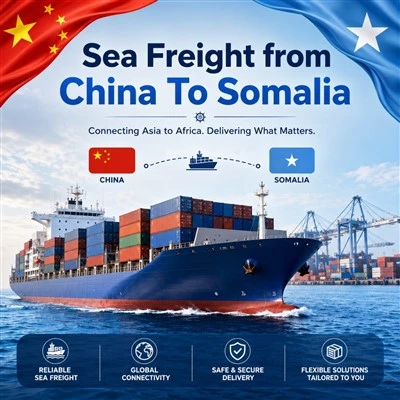
Water transport: Water transport is suitable for large-scale and long-distance cargo transport, especially international cargo transport. Its advantages are large transport capacity and low cost, but it is greatly affected by natural conditions and has a slow transport speed.
Air transport: Air transport is fast and suitable for transporting small-volume, high-value goods and fresh products. But its disadvantages are high cost, great influence by weather, and small transport capacity.
Pipeline transport: Pipeline transport is suitable for one-way, fixed-point, large-volume bulk liquid and gas cargo, such as crude oil, natural gas, etc. Its advantages are continuous operation and low cargo damage rate, but it requires high laying and maintenance costs.
Intermodal transport: Intermodal transport refers to the use of multiple modes of transport (such as road, rail, water and air) to jointly complete the entire transportation of goods. The advantage of this method is that it can make full use of the advantages of various modes of transport, improve efficiency and reduce costs.
Ocean transport: Ocean transport is one of the most important modes of transport in international trade and is suitable for large-scale and long-distance cargo transportation. Its advantages are large carrying capacity and low cost, but it is greatly affected by climate and natural conditions and has poor transportation continuity.
Container transport: Container transport is a modern mode of transport that is suitable for sea, rail and multimodal transport. Its advantages are improving loading and unloading efficiency, reducing cargo damage and reducing costs.
Continental bridge transport: Continental bridge transport uses a transcontinental railway or road system to connect ocean transport and is suitable for long-distance cargo transportation. Its advantages are that it can provide coherent logistics services and reduce the number of transit times.