As one of the world's largest consumers, the United States ranks among the top in the world in terms of port throughput every year. According to statistics from the United States International Trade Commission (USITC), the United States' import value of goods reached 3.2 trillion US dollars in 2023, accounting for approximately 13% of the global total imports, far exceeding that of other countries. Such a huge total import volume requires a large number of ports to handle the goods. There are approximately 360 commercial ports in the United States, some of which are among the busiest container ports in the world. For global import and export enterprises, understanding the busiest ports in the United States helps them choose the most cost-effective freight transportation plans
As a professional freight forwarding company , WIlson is well aware of the information about the popular ports in the United States. To help everyone better understand the busiest ports in the United States, I will introduce the top ten busiest ports in the United States in detail in this article and provide practical suggestions for choosing the right hub for your container cargo.

How We Assess the Busiest Ports
A port's "busyness" is determined by several key metrics:
- Annual Container Throughput (TEUs): Measured in Twenty-Foot Equivalent Units, this is the primary indicator of a port's activity.
- Year-over-Year Growth: Reflects trade trends and operational resilience.
- Intermodal Connectivity: Access to rail, road, and air networks for efficient cargo movement.
- Port Capacity: Includes berth availability, terminal size, and handling equipment.
- Cargo Diversity: Ability to handle containerized goods, bulk, roll-on/roll-off (RoRo), and liquid cargo.
- Customs and Policy Support: Features like Free Trade Zones (FTZs) and efficient clearance processes.
With these factors in mind, let's dive into the top 10 busiest ports in the United States based on 2022–2023 data, highlighting their strengths, challenges, and roles in global trade.

The Top 10 Busiest Ports in the United States
1. Port of Los Angeles (California)
- 2022 TEUs: 10,663,636 (-14.59% YoY)
- Location: West Coast, Los Angeles, CA
- Key Features: The Port of Los Angeles is North America's busiest port, serving as a primary gateway for containerized goods from Asia. It boasts advanced facilities, including deep-water berths and automated terminals.
- Cargo Types: Imports consumer goods (electronics, apparel); exports agricultural and industrial raw materials.
- Challenges: Congestion and labor strikes in 2023 led to delays and increased costs, with container leasing fees occasionally exceeding $300.
- Logistics Impact: Ideal for Asia–U.S. trade but requires careful planning due to high D&D (detention and demurrage) fees during peak periods.
2. Port of Long Beach (California)
- 2022 TEUs: 9,133,657 (-2.7% YoY)
- Location: West Coast, Long Beach, California
- Key Features: Known for its environmental initiatives, the Port of Long Beach operates seven modern terminals and supports 260 million jobs nationwide.
- Cargo Types: Exports cotton, meat, grains; imports wine, canned goods, frozen seafood.
- Strengths: Strong intermodal connectivity and eco-friendly infrastructure.
- Challenges: Like its neighbor, Los Angeles, it faces congestion risks.
- Logistics Impact: A reliable choice for America's port network, especially for sustainable supply chains.
3. Port of New York and New Jersey
- 2022 TEUs: 9,493,664 (+5.7% YoY)
- Location: East Coast, New York/New Jersey
- Key Features: The Port of New York and New Jersey is the east coast's largest port, with robust rail and highway connections, making it a hub for European trade and U.S. inland distribution.
- Cargo Types: Handles RoRo, bulk, and containerized goods.
- Strengths: Advanced equipment and proximity to major urban markets.
- Logistics Impact: Perfect for transatlantic routes and East Coast deliveries, with lower congestion risks compared to West Coast ports.
4. Port of Savannah (Georgia)
- 2022 TEUs: 5,892,131 (+8% YoY)
- Location: East Coast, Savannah, GA
- Key Features: The Port of Savannah is a fast-growing hub, with its Garden City Terminal being one of North America's largest. It leverages automation and direct rail access.
- Cargo Types: Containers, bulk, project cargo.
- Strengths: Rapid growth and efficient operations make it a rising star.
- Logistics Impact: Ideal for redirecting cargo from congested West Coast ports, offering cost-effective solutions.
5. Port of Houston (Texas)
- 2022 TEUs: 3,974,901 (+14% YoY)
- Location: Gulf Coast, Port of Houston, TX
- Key Features: The Port of Houston leads in total tonnage, specializing in petrochemicals and energy products. It's a critical node in the ship channel.
- Cargo Types: Exports timber, plastics, petroleum; imports oils, wines, dairy.
- Strengths: Proximity to industrial hubs and diverse cargo handling.
- Logistics Impact: A top choice for energy-related shipments and Gulf Coast logistics.
6. Port of Virginia (Norfolk)
- 2022 TEUs: 3,703,230 (+5.1% YoY)
- Location: East Coast, Norfolk, VA
- Key Features: The Port of Virginia is a deep-water port with modern equipment and high operational efficiency.
- Cargo Types: Exports grains, tobacco; imports spirits, nuts, coffee.
- Strengths: Strong intermodal links and streamlined operations.
- Logistics Impact: Well-suited for agricultural exports and European trade routes.
7. Port of Seattle-Tacoma (Washington)
- 2022 TEUs: 3,384,018 (-9.43% YoY)
- Location: West Coast, Port of Seattle, WA
- Key Features: Operated as the Northwest Seaport Alliance, the Port of Seattle-Tacoma features specialized facilities like the automated Terminal 86 for grains.
- Cargo Types: Exports agricultural products; imports clothing, toys, equipment.
- Challenges: Declining TEUs due to regional competition and congestion.
- Logistics Impact: Strong for Pacific Northwest trade but requires monitoring for delays.
8. Port of Charleston (South Carolina)
- 2022 TEUs: 2,850,000 (+12% YoY)
- Location: East Coast, Port of Charleston, SC
- Key Features: The Port of Charleston benefits from a Free Trade Zone, reducing tariffs and boosting competitiveness.
- Cargo Types: Machinery, furniture, chemicals, textiles.
- Strengths: Rapid growth and policy advantages.
- Logistics Impact: A cost-effective alternative for east coast trade, especially for European and African routes.
9. Port of Oakland (California)
- 2022 TEUs: 2,337,125 (-4.5% YoY)
- Location: West Coast, Oakland, CA
- Key Features: The Port of Oakland is a key exporter of agricultural goods, particularly for West Coast markets.
- Cargo Types: Exports dried fruits, wines, beverages; imports electronics, consumer goods, glassware.
- Strengths: Specialized in niche agricultural exports.
- Logistics Impact: Suitable for specific cargo types but less competitive for high-volume trade.
10. Port of Miami (Florida)
- 2022 TEUs: 1,197,644 (+19.76% YoY)
- Location: East Coast, Miami, FL
- Key Features: The Port of Miami is the closest U.S. port to Latin America, with Neo-Panamax ship capabilities.
- Cargo Types: Exports citrus juices, poultry; imports fruits, seafood, wines.
- Strengths: Strategic location and significant growth potential.
- Logistics Impact: Ideal for Latin American trade and cruise-related logistics.

West Coast, East Coast, and Gulf Coast Ports
1.West Coast Ports (Port of Los Angeles, Port of Long Beach, Port of Oakland, Port of Seattle-Tacoma):
- Strengths: High cargo volumes, strong Asian trade connections, and advanced infrastructure.
- Challenges: Congestion and labor disputes increase costs and delays.
2.East Coast Ports (Port of New York and New Jersey, Port of Savannah, Port of Charleston, Port of Virginia):
- Strengths: Efficient rail/road connectivity, growing cargo share, and lower congestion risks.
- Trends: Increasingly absorbing cargo redirected from West Coast bottlenecks.
3.Gulf Coast Ports (Port of Houston):
- Strengths: Energy and chemical cargo expertise, proximity to industrial hubs.
- Role: Supports diverse cargo types and regional manufacturing.
How These Ports Impact Freight Costs and Logistics
Busy ports often come with higher costs, including container leasing and D&D fees, particularly during disruptions. For instance, the Port of Los Angeles saw elevated fees in 2023 due to strikes and congestion. These factors can delay schedules, slow customs clearance, and raise repositioning costs.
Cost-Saving Strategies:
- Use SOC (Shipper-Owned Containers): Avoids D&D restrictions tied to carrier-owned containers (COC).
- Opt for East Coast or Emerging Ports: Ports like Savannah or Charleston offer lower congestion risks and competitive pricing.
- Leverage Platforms like Container xChange: Compare rates, negotiate terms, and streamline container leasing.
Choosing the Right U.S. Port for Your Freight
When selecting a port, freight forwarders should consider:
- Proximity to End Markets: Minimize inland transport costs.
- Congestion and Stability: Review historical delays or labor issues.
- Intermodal Connectivity: Ensure rail, road, or air access aligns with your route.
- Cargo Compatibility: Match port capabilities to your goods (e.g., refrigerated cargo, hazardous materials).
- Policy Advantages: Free Trade Zones (e.g., Port of Charleston) can reduce costs.
- Cost Efficiency: Compare leasing fees, clearance times, and surcharges.
FAQ
Q1: What is the busiest port in the United States?
The Port of Los Angeles consistently leads in TEU throughput, making it North America's busiest.
Q2: Which U.S. port is closest to Europe?
The Port of New York and New Jersey, located on the east coast, is the primary hub for transatlantic routes.
Q3: What are the largest West Coast ports?
The Port of Los Angeles, Port of Long Beach, Port of Oakland, and Port of Seattle-Tacoma dominate West Coast trade.
Q4: Are East Coast ports less congested?
Generally, yes. Ports like Savannah and Charleston have absorbed cargo from congested West Coast hubs, offering more predictable operations.
Q5: How many commercial ports are in the U.S.?
Approximately 360, spread across the Atlantic, Pacific, Gulf Coast, Great Lakes, and Alaska.
Conclusion
The top ten busiest ports in the United States play a crucial role in global trade and handle a vast amount of goods. For import and export enterprises as well as freight forwarders, understanding the advantages, challenges and cost impacts of each port is the key to optimizing logistics.
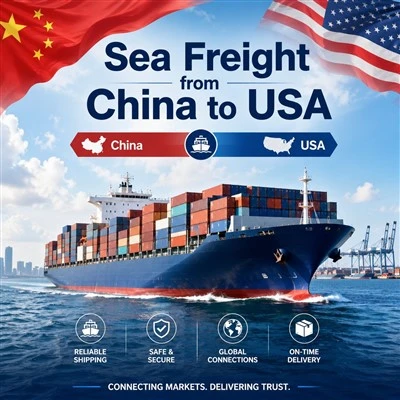
Zhejiang Wilson Supply Chain Management Co., Ltd. Focus on maritime transportation services between China and the United States. With rich experience, strong carrier relationships and strategic partnerships with major popular ports, Wilson offers comprehensive full container ocean freight services, covering all major ports in China (including Shanghai, Ningbo, Shenzhen and Guangzhou) to major gateway cities in the United States (such as Los Angeles, Long Beach, New York/New Jersey, Savannah and other regions). Are you ready to deliver the goods? Please contact us to obtain a discounted quote for FCL Sea Freight from China to the United States.