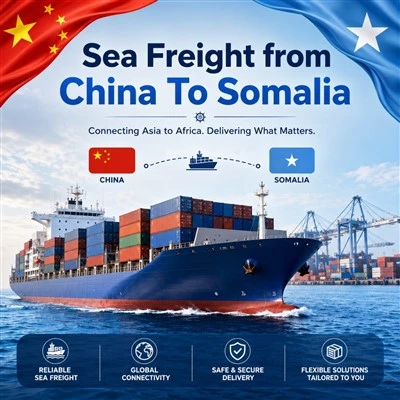
For import and export enterprises, terms such as Shipping Agen and Freight Forwarder are frequently encountered. However, for most enterprises, they often do not clearly understand the differences between the two. Shipping agencies and freight forwarders play different roles in international freight transportation. The main differences are as follows. Keep reading to learn more.

What Is a Shipping Agent?
A shipping agent, also known as a ship agent, serves as the local representative of a vessel's owner, operator, or charterer when the ship calls at a port. Their responsibilities are concentrated on the operational and administrative aspects of port activities.
Core Responsibilities of a Shipping Agent
- Port Operations: Handling berthing arrangements, coordinating tug and pilot services, and ensuring vessels are moored safely and efficiently.
- Documentation and Compliance: Managing customs documentation, port clearance, and regulatory filings to ensure compliance with local laws.
- Cargo Handling: Overseeing loading and unloading operations, appointing stevedores, and liaising with tally clerks to avoid discrepancies.
- Crew and Vessel Support: Organizing crew changes, medical assistance, fuel bunkering, fresh water supplies, ship maintenance, and emergency repairs.
- Liaison Role: Acting as the central communication channel between shipowners, port authorities, customs officials, and service providers.
The shipping agent's primary duty is to safeguard the interests of the carrier and ensure that vessel turnaround is smooth, cost-efficient, and compliant with port regulations.
What Is a Freight Forwarder?
A freight forwarder is the orchestrator of international cargo movement on behalf of the shipper (the exporter or importer). Unlike shipping agents, who represent carriers, freight forwarders represent the interests of the cargo owner. They typically do not own ships, planes, or trucks; instead, they leverage their network of carriers to design and execute end-to-end transport solutions.
Core Responsibilities of a Freight Forwarder
- Transportation Coordination: Securing cargo space by sea, air, road, or rail and, when necessary, combining multiple modes for cost and time efficiency.
- Customs and Documentation: Preparing bills of lading, packing lists, commercial invoices, and customs declarations to ensure smooth border crossings.
- Rate Negotiation: Leveraging carrier relationships to obtain competitive freight rates while balancing speed and reliability.
- Value-Added Services: Offering warehousing, packaging, distribution strategies, cargo insurance, and even supply chain consulting.
- End-to-End Visibility: Providing tracking systems and proactive communication to keep shippers informed throughout the journey.
For example, a freight forwarder handling goods from China to Europe would coordinate pickup from the factory, book space on an ocean vessel, manage export and import customs clearance, and arrange final delivery to the consignee's warehouse.

Key Differences Between Shipping Agents and Freight Forwarders
Although both are integral to international shipping, their functions differ in scope, client orientation, and geographical focus.
|
Aspect |
Freight Forwarder |
Shipping Agent |
|
Primary Client |
Cargo owners (exporters, importers, manufacturers) |
Carriers (shipping lines, airlines, operators) |
|
Scope of Work |
Comprehensive logistics from origin to destination |
Localized port operations and vessel services |
|
Services Offered |
Booking, multimodal transport, customs, insurance, warehousing |
Berthing, loading/unloading, port documentation, crew management |
|
Geographic Focus |
Global, covering entire supply chain |
Port-specific, localized operations |
|
Role in Ecosystem |
Represents the shipper's interests |
Represents the carrier's interests |
Advantages and Disadvantages
Both freight forwarders and shipping agents bring significant benefits, but their limitations should also be considered.
Freight Forwarder
Advantages:
- Provides end-to-end logistics, reducing complexity for shippers.
- Expertise in customs, trade compliance, and multi-modal coordination.
- Value-added services like insurance, warehousing, and cargo tracking.
Flexibility to negotiate cost-effective routes and schedules.
Disadvantages:
- Shippers depend heavily on the forwarder's competence and reliability.
- Documentation errors or mismanagement may cause costly delays.
- Service fees and surcharges can increase costs.
Shipping Agent
Advantages:
- Ensures efficient port operations and rapid vessel turnaround.
- Acts as the sole local contact for port authorities, ensuring compliance.
- Provides critical emergency and vessel support services.
- Offers valuable local knowledge for unfamiliar ports.
Disadvantages:
- Scope is limited to port-related functions; does not manage full logistics.
- Service quality varies depending on local expertise and resources.
- Unexpected port charges or ancillary service costs may arise.

When to Choose a Freight Forwarder
A freight forwarder is the right choice when you need:
- Comprehensive logistics solutions for international trade.
- Assistance with customs clearance and regulatory compliance.
- Cost-effective multimodal transport and consolidated shipments.
- End-to-end visibility and tracking across the supply chain.
Example: An importer in North America sourcing from multiple Asian suppliers may rely on a freight forwarder to consolidate shipments, manage customs clearance, and coordinate timely delivery.
When to Choose a Shipping Agent
A shipping agent is ideal when you need:
- Localized port expertise to manage vessel berthing and clearance.
- A representative to safeguard carrier interests during port operations.
- Immediate support for crew, documentation, or emergency repairs.
Example: A shipping line docking at a foreign port depends on its shipping agent to ensure regulatory compliance, arrange unloading, and resolve unexpected operational issues.
How They Work Together
In practice, freight forwarders and shipping agents often collaborate. A forwarder may arrange the booking and documentation for a shipment, while the shipping agent ensures that once the vessel arrives at port, the cargo is discharged smoothly and the vessel departs without delay. Together, they form complementary links in the global logistics chain.

Related Industry Roles
To better understand the ecosystem, it is worth noting other players:
- NVOCC (Non-Vessel Operating Common Carrier): A company that issues its own bill of lading and assumes carrier liability, while purchasing space from actual vessel operators.
- Ship and Cargo Brokers: Intermediaries who match cargo owners with shipowners, negotiating charter agreements and terms.
These roles often interact with both freight forwarders and shipping agents, adding further layers to the international shipping network.
Conclusion: Choosing the Right Partner
Both shipping agents and freight forwarders are indispensable to international trade. Freight forwarders represent the interests of cargo owners, providing full-service logistics solutions that span borders and transport modes. Shipping agents, by contrast, act on behalf of carriers, ensuring smooth vessel operations at ports worldwide.
Understanding these distinctions enables businesses to make informed decisions, optimize their supply chains, and minimize risks. In reality, both often work hand-in-hand: the shipping agent ensures the vessel's seamless operation, while the freight forwarder orchestrates the cargo's journey. Together, they sustain the flow of global commerce.
For importers and exporters seeking efficient, reliable, and cost-effective logistics solutions, partnering with a professional freight forwarder offers significant advantages. With the right forwarder, businesses gain not only operational efficiency but also peace of mind, knowing that every stage of their shipment is handled with expertise.