Shipping containers are an indispensable part of maritime transport, used to load and protect ocean-bound cargo from damage while facilitating transportation management. In addition, containers are often used as temporary houses or sets for themed parties. However, a standard container is often very large in size and very durable. Many people often ask a question: How long is the service life of a container?
Wilson, as a professional freight forwarding service company and also providing Shipping Container Trade[1] , is well aware of the characteristics and general service life of containers. In this article, we will comprehensively answer this question and offer suggestions for container maintenance and care, hoping to be of help to you.

What Is a Shipping Container?
A shipping container is a standardized, high-strength steel box designed to withstand the rigors of long-distance sea transport, including harsh weather and heavy loads. Typically made from Corten steel-a corrosion-resistant, weather-resistant material-these containers are built to last. Their robust structure, featuring corrugated steel walls, reinforced steel beams, and marine-grade plywood flooring, makes them ideal not only for shipping but also for innovative applications like container homes, offices, pop-up shops, and even swimming pools.
Understanding the lifespan of a shipping container is key to determining whether it's a worthwhile investment for your specific needs-be it sea transport, static storage, or architectural projects.
Standard Lifespan of a Shipping Container
The lifespan of a shipping container varies depending on its use case, maintenance, and environmental conditions. Here's a breakdown:
- Sea Transport: In the demanding environment of international shipping, where containers face constant exposure to salt spray and physical stress, their typical lifespan is 10–12 years. Most leasing companies depreciate containers over this period, after which they may be retired from active maritime use.
- Static Use (Storage or Structures): When repurposed for warehousing, container homes, or offices, a well-maintained container can last 25–30 years or more. With meticulous care, some containers have been known to remain functional for up to 50 years, especially in dry, inland environments.
The key to maximizing a container's lifespan lies in how it's used and maintained. Let's explore the factors that influence durability.
Factors Affecting a Shipping Container's Lifespan
Several variables determine how long a shipping container will last. Understanding these can help you choose the right container and extend its usability.
1. Material Quality
Shipping containers are primarily constructed from Corten steel, a high-strength, corrosion-resistant alloy also used in bridges and outdoor structures. While Corten steel is designed to withstand rust better than standard steel, it's not immune to corrosion, especially without proper maintenance.
2. Environmental Conditions
The environment plays a significant role in a container's longevity:
- Coastal or Humid Areas: Exposure to salt spray or high humidity accelerates rust, especially in seaside locations.
- Dry Inland Areas: Containers in arid climates, with minimal moisture, tend to last longer due to reduced corrosion risk.
3. Storage Conditions
How a container is stored impacts its durability:
- Ground Contact: Placing a container directly on the ground can trap moisture, leading to rust on the underframe. Elevating it on concrete blocks or rail ties helps prevent corrosion.
- Ventilation: Poor ventilation can cause condensation inside, fostering mold or rust.
4. Usage Intensity
- High-Frequency Transport: Containers moved frequently or stacked heavily experience structural fatigue, reducing their lifespan.
- Static Use: Containers used for storage or as fixed structures endure less wear and tear, contributing to a longer lifespan.
New vs. Used Shipping Containers: Which Is Right for You?
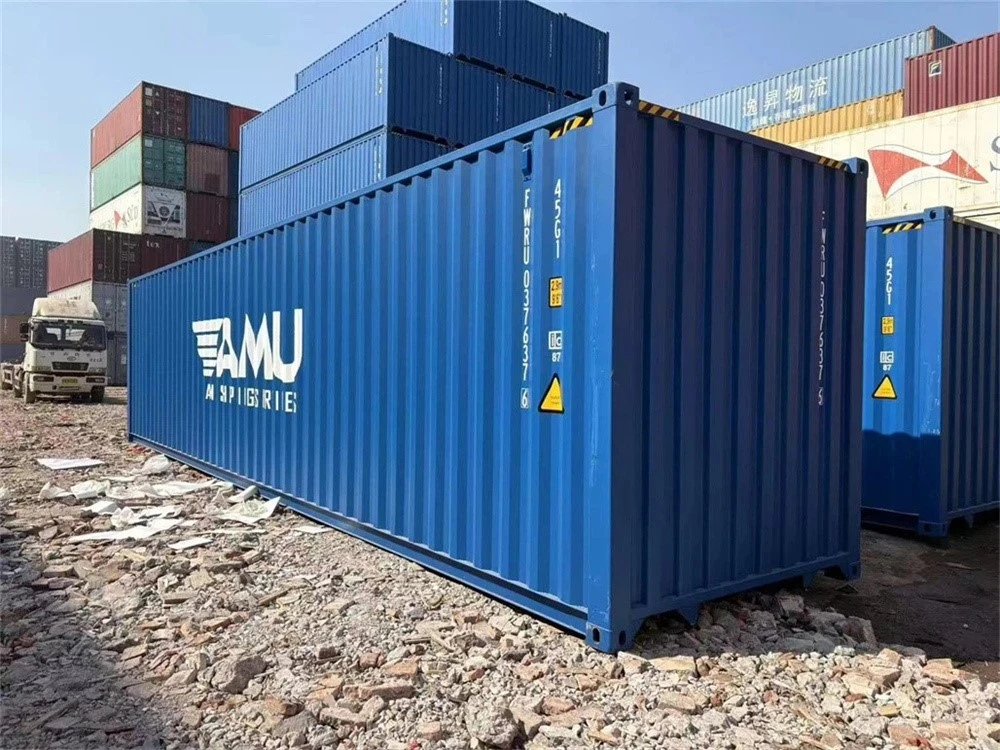
Choosing between a new and a used shipping container depends on your budget, intended use, and willingness to invest in maintenance.
Pros:
- Free of rust, dents, or structural damage.
- Longer expected lifespan, ideal for long-term investments like container homes or offices.
- Higher initial cost but lower immediate maintenance needs.
Best for: Long-term projects, high-value cargo storage, or architectural modifications requiring pristine condition.
Pros:
- Significantly lower cost, making them attractive for budget-conscious buyers.
- Suitable for short-term storage or projects where aesthetics are less critical.
Cons:
- May have rust, dents, or door alignment issues.
- Require inspection and potential refurbishment (e.g., rust removal, repainting, or welding repairs).
Best for: Temporary storage, agricultural use, or buyers willing to perform maintenance.
Pro Tip: When purchasing a used container, inspect for watertight integrity, check door seals, and ensure no major structural damage. Refurbishing a used container with rust removal and marine-grade paint can significantly extend its life.
How to Extend the Lifespan of Your Shipping Container
Proper maintenance is the key to ensuring your container lasts for decades. Here are actionable steps to protect your investment:
Annual Maintenance Checklist
- Inspect the Roof: Check for dents, standing water, or debris that could trap moisture.
- Examine Door Seals: Ensure rubber gaskets are intact to maintain watertight performance.
- Address Rust: Use a wire brush, sandpaper, and white vinegar to remove surface rust. Repaint with marine-grade acrylic paint (satin finish) for optimal protection.
- Check Alignment: Verify the container is level to prevent door misalignment. Use shims or adjust the foundation if needed.
- Ventilation (if applicable): For containers with HVAC systems, replace air filters regularly and clean condensation lines to prevent mold or odors.
Environmental Protection Measures
- Elevate the Container: Place it on concrete blocks or a prepared foundation to avoid ground moisture.
- Improve Ventilation: Install vents or ensure regular air circulation to reduce condensation.
- Apply Protective Coatings: Regular repainting with marine-grade paint shields against corrosion, especially in coastal areas.
By following these steps, even a used shipping container can serve reliably for decades.
What to Do with a Retired Shipping Container
When a container reaches the end of its primary lifespan, it doesn't have to go to waste. Here are popular options for repurposing or disposing of retired containers:
1. Creative Reuse
Shipping containers are incredibly versatile for alternative uses, such as:
- Container Homes or Offices: With insulation, windows, and plumbing, containers can become durable living or working spaces.
- Pop-Up Shops or Cafes: Their modular design makes them ideal for mobile businesses.
- Swimming Pools or Tool Sheds: Creative conversions can add value to farms or construction sites.
2. Recycling
Corten steel is recyclable. Retired containers can be melted down and repurposed into new steel products, supporting sustainability.
3. Resale or Donation
Used containers in good condition can be sold or donated for use as low-cost storage or agricultural shelters, extending their utility.
FAQs
Q1: Will a shipping container leak water?
Standard containers are watertight, equipped with heavy-duty rubber seals to prevent water ingress. Regular inspection of seals ensures continued performance.
Q2: Can you stand on top of a shipping container?
Yes, container roofs are structurally sound and can support weight. However, frequent heavy loads or foot traffic may cause dents or deformation over time.
Q3: What's the best paint for a shipping container?
Use marine-grade acrylic paint (satin finish) for superior corrosion resistance and durability.
Q4: How do I know if my container needs maintenance?
Signs include difficulty opening doors, visible rust spots, or musty odors. Address these promptly to prevent further damage.
Q5: How do I remove rust from a shipping container?
Scrub rust with a wire brush and sandpaper, clean with white vinegar, and dry thoroughly before applying marine-grade paint.
Conclusion
Shipping containers are a testament to durability and adaptability, offering a lifespan of 10–12 years in sea transport and 25–30 years or more in static applications with proper care. Whether you're investing in a new container for a long-term project or opting for a cost-effective used container, understanding the factors that affect lifespan-material, environment, storage, and maintenance-empowers you to make smart choices.
Get started today! Contact Wilson Cargo for a free, tailored quote and let our 15 years of expertise guide you to the right container solution. ( gm@wilson-cargo.com )