Freight shipping from China to the UAE has become one of the most strategically significant trade lanes in global commerce. As China maintains its role as a manufacturing powerhouse and the UAE continues to position itself as the Middle East's logistics hub, the flow of goods between these two markets has grown exponentially. From consumer electronics and fashion items destined for Dubai's vibrant retail sector to industrial machinery and raw materials supporting Abu Dhabi's infrastructure projects, the range of commodities shipped is vast.
This route is not only relevant for large-scale importers and distributors but also for smaller e-commerce sellers seeking reliable supply chains to serve customers across the Gulf region. Understanding the logistics options, cost structures, and timeframes for shipping from China to the UAE can help businesses of all sizes make informed decisions, reduce operational risks, and maximize profitability.
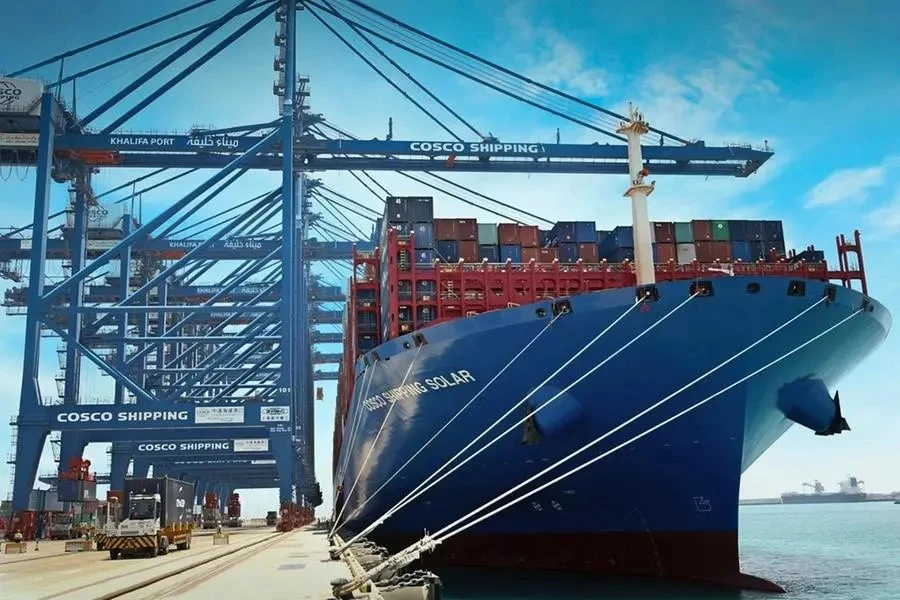
Main Shipping Methods from China to the UAE
When planning cargo shipping from China to the UAE, businesses can choose among several primary modes of transport - sea freight, air freight, and door-to-door shipping - each offering distinct advantages depending on cargo type, urgency, and budget.
Sea Freight from China to Dubai or Abu Dhabi
Sea freight is the most economical solution for bulk shipments and oversized cargo. Major Chinese ports such as Shanghai, Shenzhen, Ningbo, and Guangzhou maintain frequent sailings to key UAE gateways like Jebel Ali Port in Dubai and Khalifa Port in Abu Dhabi.
Transit Time: Typically 20–30 days port-to-port, with variations depending on the origin and service schedule.
Advantages: Substantially lower shipping cost from China to UAE compared to air freight; high capacity for heavy or voluminous goods; competitive FCL (full container load) and LCL (less-than-container load) rates.
Example Routes: Shenzhen to Jebel Ali is a preferred lane for electronics and general merchandise, while Ningbo to Abu Dhabi serves industrial cargo and project shipments.
Air Freight from China to the UAE
Air freight offers unmatched speed, making it the preferred choice for time-sensitive or high-value goods. Common departure points include Guangzhou (CAN), Shanghai (PVG), and Shenzhen (SZX), with direct flights to Dubai International Airport (DXB) and Abu Dhabi International Airport (AUH).
- Transit Time: Generally 3–7 days door-to-door, with express air services reducing this to 2–4 days.
- Advantages: Fast and reliable; ideal for shipments under 500 kg or items with high unit value.
- Cost Considerations: Air freight typically ranges from USD $4–$7 per kg, depending on weight brackets and urgency.
Door-to-Door Shipping from China to the UAE
For shippers who prefer a hands-off approach, door-to-door shipping provides a full-service solution from the supplier's warehouse in China to the consignee's location in the UAE.
- Scope: Includes pickup, main carriage (sea or air), UAE customs clearance for imports, and final delivery.
- Best Suited For: Businesses without in-house logistics teams or those importing under Delivered Duty Paid (DDP) terms to simplify cost forecasting.
- Advantages: Reduced handling, fewer intermediaries, and clear visibility over the entire shipment process.
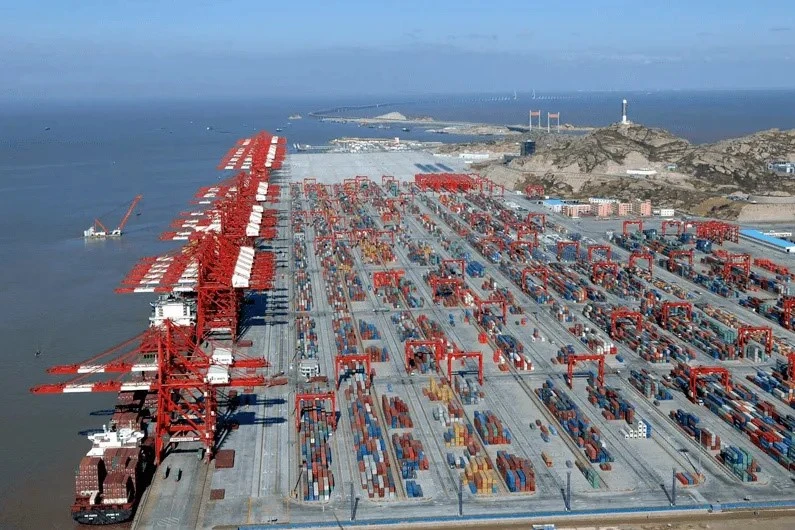
Transit Times for Shipping from China to the UAE
Understanding the China to UAE transit time is essential for supply chain planning. While estimated delivery windows can be given for each mode, actual lead times are influenced by seasonal peaks, customs procedures, and operational factors such as port congestion.
- Sea Freight: Standard transit is 20–30 days port-to-port. Routes like Shanghai to Jebel Ali typically take 20–25 days, with additional time for inland transport or customs if needed.
- Air Freight: Standard services deliver in 3–7 days door-to-door, while premium express flights can achieve 2–4 days.
- Door-to-Door / Express: Courier-based solutions (e.g., DHL, FedEx, UPS) complete delivery in as little as 2–5 days, often including customs clearance.
Key factors that may extend lead times include:
- Public holidays in China (e.g., Lunar New Year) or the UAE (e.g., Eid al-Fitr) causing port or airport closures.
- Weather-related disruptions such as typhoons in East Asia or dust storms in the Gulf.
- Documentation issues delaying UAE customs clearance for imports.
Proactive planning, accurate paperwork, and working with an experienced China to UAE freight forwarder can significantly reduce these risks.
Shipping Costs and Key Pricing Factors
Shipping cost from China to UAE varies considerably depending on the mode of transport, cargo dimensions, and current market conditions. Seasonal demand spikes - particularly before Ramadan, Black Friday, or Chinese New Year - can influence rates across all modes.
Sea Freight Costs
- FCL 20ft container: Typically USD $1,200–$2,200
- FCL 40ft container: Typically USD $2,000–$3,000
- LCL: USD $50–$100 per cubic meter
Air Freight Costs
- Standard air: USD $4–$7 per kg
- Express air: USD $5–$10 per kg
Cost Calculation Variables
- Weight and Volume: Air freight charges on chargeable weight (whichever is greater between actual and volumetric weight), while sea freight is based on cubic meters or full container rates.
- Service Level: Direct services cost more than transshipment routes but reduce transit time.
- Fuel Surcharges: Adjusted monthly in response to global oil prices.
- Additional Fees: Documentation, handling, port storage, and UAE import duty from China (generally 5% VAT on CIF value).
Reducing Costs:
- Consolidate shipments to qualify for FCL rates rather than multiple LCL consignments.
- Ship during off-peak seasons to secure the cheapest shipping from China to UAE.
- Negotiate long-term contracts with a trusted China to UAE freight forwarder for stable pricing.

UAE Customs Clearance and Import Duties Guide
Navigating UAE customs clearance for imports is a critical stage in the shipping process from China to the UAE. Even with competitive freight rates and efficient transit, delays at this step can cause costly disruptions. Understanding documentation requirements, duty structures, and compliance protocols is essential for a smooth clearance.
Required Documentation
When importing goods into the UAE, you will typically need:
- Commercial Invoice: Detailing the description, quantity, and value of the goods.
- Packing List: Providing the weight, dimensions, and packaging details for each shipment unit.
- Bill of Lading (for sea freight) or Air Waybill (for air freight): Serving as the transport contract and proof of shipment.
- Certificate of Origin: Confirming the country of manufacture, often required to apply preferential tariff rates under trade agreements.
- Import Permits: Necessary for restricted products such as pharmaceuticals, foodstuffs, or chemicals.
UAE Duty and VAT Policy
The standard import duty UAE from China is 5% of the CIF (Cost, Insurance, and Freight) value for most goods. In addition, a 5% Value Added Tax (VAT) is applied at the point of import. Certain categories carry higher tariffs - for example, alcohol at 50% and tobacco at 100%. Goods exempt from duty, such as some raw materials and re-export shipments, must still meet all documentation requirements.
Clearance Best Practices
- Pre-Arrival Submission: File customs declarations before the vessel or aircraft arrives to minimize port storage fees.
- Accurate HS Codes: Misclassification can lead to fines, shipment holds, or re-export orders.
- Consistency Across Documents: Ensure that all details (quantities, descriptions, values) match exactly between invoice, packing list, and bill of lading.
- Partner with Experts: Using a China to UAE freight forwarder experienced in UAE customs can reduce the risk of clearance delays and penalties.
Choosing a Reliable China to UAE Freight Forwarder
The right China to UAE freight forwarder does more than book space on a vessel or aircraft - they act as an integrated logistics partner, ensuring your goods move efficiently, compliantly, and cost-effectively.
Selection Criteria
- Licensing & Certifications: Look for forwarders holding international credentials such as FIATA and IATA membership, NVOCC registration, and AEO or ISO certifications for compliance.
- Route Experience: Proven expertise on China to Dubai logistics services, including familiarity with major ports (Jebel Ali, Khalifa) and airports (DXB, AUH).
- Service Range: Ability to handle FCL, LCL, air freight, and door-to-door shipping, plus value-added services such as customs brokerage and cargo insurance.
- Network Strength: Strong relationships with shipping lines, airlines, and local agents to secure competitive rates and reliable space, even during peak seasons.
Why choose Wilson Supply Chain as your international freight forwarder?
Professional freight forwarders bring risk management expertise, established carrier relationships, and end-to-end visibility, enabling you to focus on your core business. They can also anticipate seasonal rate fluctuations, optimize mode selection, and proactively resolve issues in transit or clearance.
With over a decade in global logistics and a robust presence across Ningbo, Shanghai, Shenzhen, and Hong Kong, Zhejiang Wilson Supply Chain Management Co., Ltd. offers unmatched capabilities on the China–UAE corridor.
- Sea Freight Strengths: Long-term contracts with major carriers such as COSCO, MSC, and Maersk ensure stable rates and space allocations.
- Air Freight Expertise: Competitive solutions from major Chinese airports to Dubai and Abu Dhabi, including priority handling for urgent cargo.
- Door-to-Door and DDP Services: Comprehensive handling from pickup to delivery, including customs clearance and duty payment, ideal for businesses seeking full visibility and cost certainty.
- Special Cargo Handling: Proven track record in transporting hazardous goods, oversized machinery, and temperature-sensitive products.

FAQ
Q: How to ship from China to UAE if my cargo is small?
A: For shipments under 1 cubic meter or 100 kg, LCL sea freight or consolidated air freight is most cost-effective. Express services are also suitable for urgent or high-value items.
Q: Can my forwarder handle customs clearance on my behalf?
A: Yes. Many forwarders, including Wilson, provide full customs brokerage services in the UAE, managing documentation, duty payment, and clearance formalities.
Q: How should fragile items be packaged for long-distance shipping?
A: Use reinforced cartons or wooden crates, adequate internal cushioning, and "Fragile" labeling. For high-value items, consider vibration-proof and moisture-resistant packaging.
Q: Can I ship to all locations in the UAE?
A: Yes. Beyond Dubai and Abu Dhabi, forwarders can arrange inland distribution to Sharjah, Ajman, Ras Al Khaimah, and other emirates, either via trucking or courier networks.
Q: What does door-to-door shipping China to UAE cost?
A: Pricing depends on mode, volume, and delivery location. For reference, a small pallet by air might cost USD $800–$1,200, while a 20ft DDP sea shipment could be USD $2,000–$2,500 inclusive of duties and last-mile delivery.