In recent years, trade between China and Germany has grown steadily, making Germany one of China's most important partners in the European Union. Germany remains the largest economy in Europe and a leading importer of Chinese manufactured goods, including machinery, electronics, textiles, automotive parts, and chemicals. On the other hand, German exports to China include high-value machinery, automobiles, and industrial technology.
With bilateral trade volumes increasing each year, the demand for reliable, cost-effective, and timely shipping services between Guangdong - one of China's busiest export hubs - and Germany continues to rise. This creates a strong need for professional freight forwarding solutions that can optimize routes, ensure compliance, and guarantee smooth customs clearance.

Major Ports for Imports from China to Germany
Germany's logistics infrastructure is among the most advanced in the world, and several major seaports play a critical role in handling cargo arriving from China:
- Hamburg Port: Germany's largest seaport and one of Europe's busiest container hubs. It handles millions of TEUs annually and serves as the primary entry point for goods shipped from Southern China.
- Bremerhaven Port: A key hub for containerized goods, automobiles, and bulk cargo, offering direct connections to inland Europe.
- Frankfurt Airport: Europe's busiest air cargo hub, critical for high-value or time-sensitive shipments arriving from China.
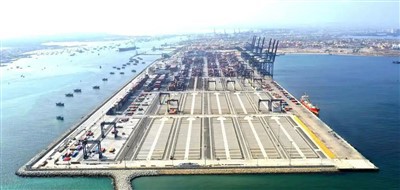
From the Chinese side, shipments to Germany typically depart from Guangzhou Nansha Port and Shenzhen Yantian Port, two of the most important container gateways in Guangdong Province.
Why Choose Sea Freight from Guangdong to Germany
Guangdong is one of China's largest export regions, with highly developed port infrastructure and global shipping connections. Choosing sea freight from Guangdong to Germany offers several advantages:
- Strategic location: Guangdong ports provide direct services to Europe, including fast lanes such as the "China–Europe Express" route, which reduces transit time.
- Flexible shipping modes: Exporters can choose between Full Container Load (FCL) and Less than Container Load (LCL), depending on shipment size.
- Cost efficiency: Sea freight remains the most economical mode for large shipments, offering economies of scale compared to air freight.
- Diverse cargo options: From general merchandise to oversized machinery and hazardous chemicals, Guangdong's shipping services are equipped to handle a wide variety of goods.

How Our Sea Shipping Service Works
At Zhejiang Wilson Supply Chain Management Co., Ltd., we have developed a streamlined process to ensure that every shipment from Guangdong to Germany is handled efficiently and professionally:
- Initial Consultation – We analyze the client's cargo requirements, including commodity type, weight, volume, and destination, and then recommend the most suitable shipping solution (FCL, LCL, or special equipment).
- Customized Logistics Planning – Our team provides optimized sailing schedules, transit options, and cost-effective routes, thanks to long-term partnerships with leading carriers such as COSCO, MSC, Maersk, and HPL.
- Documentation & Compliance – We guide clients through preparing accurate documents (commercial invoice, packing list, bill of lading, certificates of origin, etc.), minimizing the risk of customs delays.
- Cargo Consolidation & Handling – For LCL shipments, goods are consolidated at the origin warehouse before being loaded into containers. FCL shipments are directly booked and secured. Special care is given to oversized cargo, chemical products, and dangerous goods following international standards.
- Shipment Execution – Cargo is loaded and transported via direct or transshipment services. Our tracking system provides real-time updates so clients always know the status of their goods.
- Destination Coordination – Upon arrival in Germany, our team and local partners arrange for customs clearance, delivery scheduling, and final distribution.
This end-to-end approach ensures that each stage of the journey is professionally managed, reducing risks and guaranteeing timely delivery.
Destination Customs Clearance Process
Efficient customs clearance in Germany is vital to avoid unnecessary delays. Our clearance process includes:
- Pre-Arrival Declaration – We submit customs documentation at least five days before the vessel arrives, ensuring faster release upon landing.
- Required Documents – Commercial invoice, packing list, bill of lading, certificate of origin, product-specific certificates (such as CE certification, health certificates for food, or textile labeling), and insurance documents if applicable.
- Customs Filing & Taxation – We help determine the correct HS Codes and calculate import duties and VAT, ensuring compliance with EU regulations.
- Inspection Handling – In case of random customs inspection, our experienced clearance team coordinates with German customs authorities to resolve issues quickly.
- Cargo Release & Delivery – Once clearance is completed, we arrange prompt inland delivery through our trusted logistics partners.
Our AEO-certified compliance capability, combined with years of experience in handling chemicals and special cargo, ensures that goods clear German customs with minimal delays.

Advantages of Our Sea Freight from China to Germany
Zhejiang Wilson Supply Chain Management Co., Ltd. provides clients with unmatched benefits that set us apart from competitors:
- Proven Track Record: Over 10 years of experience, handling 56,000 TEUs annually across major global routes.
- Strong Carrier Partnerships: Guaranteed space and competitive rates with COSCO, MSC, Maersk, EMC, and HPL.
- Specialized Expertise: Professional handling of oversized cargo, vehicles, and hazardous chemicals, supported by FIATA, IATA, ISO, and AEO certifications.
- Efficient Customs Clearance: In-house compliance experts ensure accurate documentation, faster clearance, and reduced risks of penalties or delays.
- Comprehensive Network: Branch offices in Ningbo, Shanghai, Shenzhen, and Hong Kong, with global coverage across Asia, Europe, the Middle East, Africa, and the Americas.
- Customer-Centric Approach: Each client receives tailored solutions, real-time cargo tracking, and dedicated support from a team averaging over 8 years of industry experience.
By combining strong infrastructure, global connections, and specialized expertise, we deliver efficient and reliable sea freight services from Guangdong to Germany.

Cost & Time Estimates of Sea Freight from Guangdong to Germany
Shipping costs and transit times vary depending on mode of transport, cargo type, and seasonal market conditions. Based on industry benchmarks and recent trade data, here are general estimates for shipments from Guangdong to Germany:
|
Mode |
Example Load |
Estimated Transit Time |
Estimated Cost (USD) |
|
FCL (Full Container Load) |
20' Container |
28–35 days (direct), 35–45 days (transshipment) |
4,000 – 5,500 |
|
40' Container |
28–35 days (direct), 35–45 days (transshipment) |
5,200 – 6,800 |
|
|
LCL (Less than Container Load) |
1–10 CBM |
30–40 days |
600 – 3,200 depending on volume |
|
Air Freight |
100–500 kg |
6–10 days |
1,000 – 4,000 depending on weight |
|
Express Courier |
10–100 kg |
3–6 days |
300 – 1,900 |
【Note】: Transit times may vary slightly based on weather conditions, customs processing, and port congestion. Prices listed are indicative and subject to change based on market fluctuations. For precise quotations and schedules, please contact our team today for an accurate quote tailored to your goods and a better offer! ( gm@wilson-cargo.com )

Shipping services from Guangdong to Germany
Get in touch with our sea freight experts immediately to discuss your requirements and get a quick quote.
How We Help Clients Reduce Costs and Ensure Timely Delivery
- Carrier Relationships: As a long-term partner of COSCO, MSC, Maersk, EMC, and HPL, Wilson secures competitive freight rates and guaranteed space, even during peak seasons.
- Flexible Solutions: We advise clients on whether FCL, LCL, or air freight offers the most cost-effective option for their shipment size and urgency.
- Customs Pre-Clearance: By submitting documents in advance, we minimize port storage charges and avoid unnecessary demurrage fees.
- Optimized Scheduling: We recommend off-peak bookings to avoid seasonal surcharges (Chinese New Year, Golden Week, Christmas).
Factors That May Cause Delays
- Port congestion during peak shipping seasons.
- Customs inspections when documents are incomplete or inconsistent.
- Extreme weather events (e.g., typhoons in China, winter storms in Europe).
- Global disruptions such as container shortages or reduced vessel capacity.
By anticipating these challenges, our team builds in contingency time and keeps clients fully updated with real-time tracking.
Ports and Airports Connecting Guangdong and Germany
Key Ports in Guangdong
- Guangzhou Nansha Port: A modern deep-water port serving as one of Southern China's largest gateways. It specializes in containerized goods and offers efficient customs clearance facilities.
- Shenzhen Yantian Port: Known for its large container throughput, advanced infrastructure, and direct services to Europe.
- Shekou and Chiwan Ports (Shenzhen): Secondary but important ports offering flexibility in vessel scheduling and handling diverse cargo types.
Key Ports and Airports in Germany
- Hamburg Port: Europe's third-largest container port, handling over 8 million TEUs annually. It serves as the main entry point for shipments from Guangdong and offers extensive rail and trucking connections across Europe.
- Bremerhaven Port: Specializes in containerized cargo and is Europe's leading automotive export hub, making it an excellent destination for vehicles and machinery.
- Frankfurt Airport: Germany's busiest air cargo hub, critical for urgent or high-value shipments, with extensive connections to all major Chinese airports including Guangzhou, Shenzhen, and Shanghai.

China–Germany Bilateral Trade Overview
China is Germany's largest trading partner outside the EU. Recent data shows that:
- German imports from China primarily include machinery, electronics, textiles, furniture, and chemicals.
- Chinese imports from Germany include automobiles, mechanical equipment, medical devices, and high-tech industrial goods.
This robust bilateral trade has created strong logistics demand, especially for cost-effective sea freight solutions from Guangdong, which is one of China's most significant manufacturing and export regions.
Legal and Technical Terms for Importing Goods from China
Importing goods from China to Germany requires knowledge of international trade regulations and documentation:
- HS Codes (Harmonized System Codes): Essential for classifying products and determining duties and VAT.
- Incoterms (International Commercial Terms): Commonly used terms include FOB (Free on Board), CIF (Cost, Insurance & Freight), and DDP (Delivered Duty Paid).
- Dangerous Goods Regulations: Germany follows UN guidelines for hazardous cargo. Items such as chemicals, lithium batteries, and flammable goods must meet UN packaging standards and be labeled with UN numbers.
- Certificates of Origin: May allow importers to benefit from reduced tariffs under specific trade agreements.
- Product Compliance Certificates: For example, CE certification for electronics, health certificates for food, and textile labeling requirements.
Wilson's compliance team, certified under AEO, FIATA, IATA, and ISO, ensures all legal and documentation requirements are met, minimizing risks of fines or delays.
How to Source Products in China
Sourcing from China can be highly beneficial but requires careful planning:
- Identify Reliable Suppliers – Verify factory credentials, certifications, and past trade records.
- Negotiate Incoterms Clearly – Agree on whether the supplier delivers FOB, CIF, or other terms to avoid hidden costs.
- Conduct Quality Checks – Ensure products meet EU standards (CE, RoHS, etc.) before shipment.
- Plan for Logistics Early – Work with an experienced freight forwarder like Wilson to manage shipping space, costs, and customs clearance.
Wilson not only provides logistics services but also assists clients in coordinating with suppliers to prepare accurate export documentation, ensuring smooth shipping to Germany.
FAQ
Q1: How much does it cost to ship from Guangdong to Germany?
Costs vary depending on mode, weight, and season. FCL rates typically range between USD 4,000–6,800 per container, while air freight costs USD 1,000–4,000 for 100–500 kg shipments.
Q2: How long does sea freight take from Guangdong to Germany?
Direct routes take 28–35 days, while transshipment via Rotterdam or Antwerp may take 35–45 days.
Q3: What documents are required for customs clearance in Germany?
Commercial invoice, packing list, bill of lading, certificate of origin, and product-specific certificates (e.g., CE, health certificate).
Q4: Do I need insurance for my shipment?
While not mandatory, we strongly recommend cargo insurance to protect against potential loss or damage. Wilson offers comprehensive cargo insurance solutions.
Q5: Can I ship hazardous goods from Guangdong to Germany?
Yes. Wilson specializes in chemical and dangerous goods logistics, fully compliant with UN regulations, and holds the necessary licenses and certifications.
Q6: What factors may delay shipping?
Peak season congestion, customs inspections, extreme weather, or container shortages.
Q7: Which ports in Guangdong are best for exports to Germany?
Guangzhou Nansha Port and Shenzhen Yantian Port are the main gateways, offering frequent sailings and advanced handling facilities.
Q8: How can Wilson help me reduce costs?
By consolidating shipments, leveraging strong carrier partnerships for competitive rates, advising on the best shipping mode, and ensuring accurate documentation to avoid extra fees.
Hot Tags: shipping services from guangdong to germany, price, cheap, cost, quote, service, provide, forwarder, company