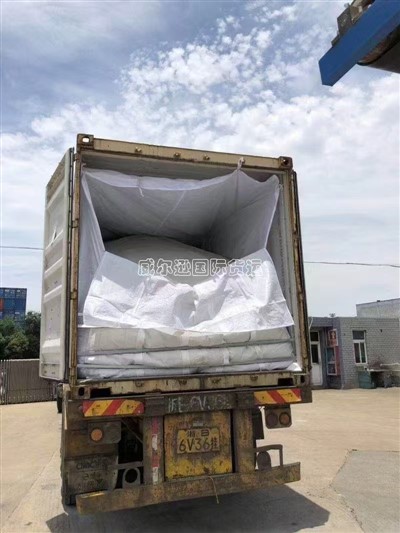
China and Thailand have built a strong and growing trade partnership over the past decade, supported by the Belt and Road Initiative and the Regional Comprehensive Economic Partnership (RCEP). China has consistently been Thailand's largest trading partner, while Thailand has become one of China's most important partners in Southeast Asia. Trade flows are highly complementary: China exports machinery, electronics, chemicals, and industrial raw materials to Thailand, while Thailand exports agricultural products, automotive parts, and electronics to China.
With bilateral trade volumes increasing every year, sea freight has become the backbone of logistics between the two countries. Major shipping routes now connect key Chinese ports such as Shanghai, Ningbo, Shenzhen, Guangzhou, and Xiamen with Thailand's Laem Chabang and Bangkok ports. Sea freight offers the best balance of cost-efficiency and capacity, making it the preferred solution for medium- to large-scale shipments across industries.

Why Choose Sea Freight from China to Thailand
Sea freight is the most cost-effective and scalable solution for moving goods between China and Thailand. It is particularly suitable for:
- Full container loads (FCL) of industrial goods, raw materials, and consumer products
- Large or heavy shipments that would be too expensive by air
- Regular shipments requiring stable schedules and predictable capacity
Compared to air or express services, sea freight allows businesses to significantly reduce per-unit logistics costs, while still benefiting from stable transit times (typically 10–15 days). For importers in Thailand, sea freight remains the primary mode for building efficient and sustainable supply chains.
How Our Sea Freight from China to Thailand Services Work
At Wilson Supply Chain Management, we provide end-to-end sea freight solutions designed for efficiency, compliance, and cost control. Our process is streamlined into four key stages:
1.Consultation and Planning
We begin by analyzing your shipment needs, including cargo type, volume, budget, and delivery deadlines. Based on this, we recommend the most suitable service (FCL, LCL, or special equipment such as open-top or flat-rack containers). Our long-term cooperation with leading carriers such as COSCO, MSC, Maersk, HPL, and EMC ensures guaranteed space and competitive rates.
2.Booking and Documentation
Once the plan is confirmed, we secure vessel space and guide you through all documentation requirements, including commercial invoice, packing list, bill of lading, and certificates (origin, quality, or inspection, depending on cargo type). For time-sensitive goods, we provide multiple vessel options to balance cost and transit time.
3.Customs Pre-Clearance and Cargo Handling in China
We handle export customs declarations at origin, supported by our certified AEO, NVOCC, FIATA, and ISO accreditations. Shipments are pre-cleared up to 5 days before vessel arrival to ensure that containers can be released immediately upon arrival in Thailand. Our experienced team in Ningbo, Shanghai, and Shenzhen ensures smooth handling across major Chinese ports.
4.In-Transit Monitoring and Delivery Coordination
With our digital logistics management platform, clients have full visibility of their shipments, including vessel tracking, schedule updates, and exception alerts. Once cargo arrives in Thailand, we coordinate trucking and inland delivery to warehouses or final destinations, ensuring minimal delays.

Destination Customs Clearance in Thailand
Navigating Thai customs can be complex, but Wilson simplifies the process with proactive planning and local expertise. Our clearance process includes:
1.Pre-Arrival Preparation
We ensure all required documents are submitted in advance, including bill of lading, commercial invoice, packing list, origin certificate (FORM E for ASEAN-China tariff benefits), and product licenses if applicable. Pre-declaration helps reduce clearance time and avoid storage costs at the port.
2.Customs Declaration and Valuation
Thai customs authorities carefully review HS codes, product valuations, and tariff compliance. Our team ensures that classifications are accurate and values properly declared, reducing the risk of penalties or delays. For sensitive cargo such as electronics, automobiles, or chemicals, our compliance specialists manage detailed requirements.
3.Duties, Taxes, and Special Approvals
We calculate applicable duties and VAT (typically 7%), and advise clients on tariff exemptions available under China–ASEAN free trade agreements. For regulated goods such as food, pharmaceuticals, and chemicals, we coordinate with local agencies (e.g., FDA) to secure approvals in advance.
4.Cargo Release and Delivery
Once customs clearance is complete, we coordinate container pickup and inland trucking. With strong partnerships at both Bangkok Port and Laem Chabang Port, we ensure timely release and smooth final delivery to your warehouse or distribution center.
Advantages of Our Sea Freight from China to Thailand
Wilson Supply Chain Management offers clear advantages over competitors:
- Proven Expertise in Southeast Asia Routes: With over a decade of experience, Wilson specializes in Southeast Asia, Indian Subcontinent, Middle East, and Africa trade lanes.
- Guaranteed Space and Competitive Rates: Long-term contracts with global carriers ensure space availability even during peak seasons, with favorable rate stability.
- Strong Compliance Capabilities: Certified by FIATA, IATA, ISO, and as an AEO enterprise, we guarantee smooth customs processes on both the China and Thailand sides.
- Specialized Cargo Handling: Expertise in oversized equipment, vehicles, chemicals, and dangerous goods (DG class 2 and 5.1), making us a reliable partner for complex shipments.
- Efficient Customs Clearance: Our "pre-declaration within 5 days" model allows containers to be released immediately upon arrival, minimizing port storage fees and delays.
- Integrated Supply Chain Solutions: Beyond sea freight, we provide end-to-end services including import agency, warehousing, insurance, and logistics legal support.
- Technology and Visibility: Our digital platform offers real-time cargo tracking and proactive updates, giving clients full control over their shipments.
- Trusted by Leading Enterprises: We have supported global shipping lines, automotive companies such as FAW, and multiple listed chemical firms, with a proven track record of reliability.

Cost & Time Estimates of Sea Freight from China to Thailand
Based on recent market data (September 2025), the average rates and transit times for sea freight from major Chinese ports to Thailand are as follows:
|
Shipping Mode |
Destination Port |
Container Type |
Estimated Cost (USD) |
Transit Time (Days) |
Best For |
|
FCL (Full Container Load) |
Bangkok |
20ft |
360 – 400 |
10–15 |
General imports, retail restocking |
|
FCL (Full Container Load) |
Bangkok |
40ft |
425 – 500 |
10–15 |
Bulk shipments, high-volume orders |
|
FCL (Full Container Load) |
Laem Chabang |
20ft |
320 – 360 |
10–15 |
Industrial cargo, cost-sensitive shipments |
|
FCL (Full Container Load) |
Laem Chabang |
40ft |
375 – 450 |
10–15 |
Automotive and electronics cargo |
|
LCL (Less than Container Load) |
Bangkok/Laem Chabang |
Per CBM |
45 – 55 |
12–18 |
Small or medium shipments |
【Note】: Transit times may vary slightly based on weather conditions, customs processing, and port congestion. Prices listed are indicative and subject to change based on market fluctuations. For precise quotations and schedules, please contact our team today for an accurate quote tailored to your goods and a better offer! ( gm@wilson-cargo.com )

Sea Freight from China to Thailand
Get in touch with our sea freight experts immediately to discuss your requirements and get a quick quote.
How We Help Lower Costs and Ensure Reliability
- Strategic Port Selection: We compare Bangkok vs. Laem Chabang rates to optimize your logistics budget.
- Advance Booking: Our long-term carrier agreements ensure space is secured during Q4 peak demand.
- Mode Optimization: We advise when to switch to LCL or combine shipments for cost efficiency.
- Pre-Clearance: By submitting customs documents five days in advance, we minimize delays and storage fees.
Potential Causes of Delay
- Seasonal rains affecting inland trucking in Thailand
- Port congestion during Q4 peak season (especially in Bangkok)
- Customs audits or document discrepancies
- Global shipping line capacity tightening before holidays
Major Ports Connecting China and Thailand
Key Chinese Ports
- Shanghai Port: The busiest container port in the world, handling high-value and time-sensitive cargo. It connects directly to Laem Chabang and Bangkok through frequent sailings.
- Ningbo-Zhoushan Port: Known for competitive rates and capacity for bulk shipments; ideal for exporters of raw materials and heavy goods.
- Shenzhen & Guangzhou Ports: Core gateways in South China, supporting electronics, appliances, and consumer goods exports with fast sailings to Thailand.
- Xiamen Port: Geographically closer to Thailand, offering shorter transit times and efficient customs processes, suitable for apparel and mid-value goods.
Key Thai Ports
- Bangkok Port (Khlong Toei): Convenient for central Thailand distribution, but limited in capacity and prone to congestion during peak seasons.
- Laem Chabang Port: Thailand's largest and most modern deep-sea port, handling over 78% of Thailand's container traffic. It is preferred for industrial cargo, automotive, and electronics imports due to better efficiency and higher capacity.
Table: Comparison of Major Chinese Export Ports for Sea Freight to Thailand
|
Port Name |
Geographical Advantages |
Main Service Areas |
Typical Transit Time (Days) |
Suitable Cargo Types |
|
Shanghai Port |
Yangtze River estuary, extensive routes |
Yangtze River Delta & Yangtze Basin |
10–14 |
High-value goods, time-sensitive cargo |
|
Ningbo-Zhoushan Port |
Deep water, suitable for large vessels |
Zhejiang and surrounding provinces |
12–15 |
Bulk cargo, containers |
|
Xiamen Port |
Relatively close to Thailand |
Fujian, Eastern Guangdong, Jiangxi |
8–12 |
Garments, electronic components |
|
Shenzhen Port |
Pearl River Delta hub, dense shipping lines |
South China region |
7–10 |
Electronics, household appliances |
|
Guangzhou Port |
Extensive domestic trade network |
South China region |
8–11 |
Diversified commodities |
|
Qingdao Port |
Shandong Peninsula, chemical specialist port |
North China region |
14–18 |
Chemicals, agricultural products |
|
Tianjin Port |
Beijing-Tianjin-Hebei coastal gateway |
Northern China region |
16–20 |
Diversified commodities |

China–Thailand Trade Commodities
China Exports to Thailand
- Machinery, electrical equipment, and auto parts
- Plastics, chemicals, and construction materials
- Consumer goods such as textiles, furniture, and electronics
Thailand Exports to China
- Agricultural products (notably durian, mangosteen, and longan)
- Rubber and rubber-based products
- Automotive parts and electronics components
This complementary trade pattern creates balanced logistics flows, with sea freight being the dominant mode for most categories.
Import Laws and Key Terminologies
- FORM E Certificate of Origin: Essential to benefit from reduced tariffs under the ASEAN–China Free Trade Agreement.
- Double Clearance with Duties Included (DDP/"Shuangqing Baoshui"): A service model where the forwarder handles both origin and destination customs plus duties and taxes, simplifying the process for importers.
- Dangerous Goods (DG) Classification: Chemicals and hazardous materials must comply with IMDG (International Maritime Dangerous Goods) codes. Wilson has proven expertise in handling DG Class 2 and 5.1 shipments.
- Thai Customs VAT & Duties: Standard VAT is 7% on CIF value; duties vary by commodity (0–80%). Accurate HS code classification is essential to avoid overpayment or penalties.
- BKKMAX Vessels: Special shallow-draft container ships designed for Bangkok Port, limited to around 2,500 TEU capacity.
How to Source Products in China
- Leverage Trusted Platforms: Use Alibaba International for large-scale B2B sourcing, or 1688.com for wholesale procurement.
- Supplier Verification: Conduct factory audits or request third-party inspections (e.g., SGS) to confirm product quality.
- Negotiating Terms: Secure Incoterms such as FOB or CIF for transparency on responsibilities and costs.
- Consolidation Services: Wilson offers cargo consolidation across multiple suppliers in China, reducing costs by shipping combined containers.
- End-to-End Visibility: Our logistics management platform provides full tracking from supplier pickup to delivery in Thailand.
FAQ
Q: 1. How long does sea freight from China to Thailand take?
A: Typically 10–15 days, depending on the port of origin and destination.
Q: 2. What is the cost of a 20ft container from China to Thailand?
A: As of September 2025, rates range between USD 320–400, depending on port choice and season.
Q: 3. Can Wilson handle hazardous or chemical cargo?
A: Yes. We are certified and experienced in transporting DG cargo such as fertilizers, refrigerants, and industrial chemicals.
Q: 4. How can I benefit from tariff reductions under ASEAN–China trade agreements?
A: Provide a valid FORM E certificate of origin to enjoy reduced or zero duties.
Q: 5. What happens if customs in Thailand delays my cargo?
A: We pre-declare documents five days in advance and work with experienced Thai brokers to minimize the risk of delays.
Q: 6. Which port is better for my cargo, Bangkok or Laem Chabang?
A: Bangkok is closer to central markets but has limited capacity. Laem Chabang offers lower congestion and better efficiency for bulk or industrial cargo.
Q: 7. Do you offer door-to-door service from China to Thailand?
A: Yes. Our door-to-door solutions cover pickup in China, sea freight, Thai customs clearance, and final delivery.
Q: 8. How do you track shipments?
A: Our digital logistics platform provides real-time vessel tracking, exception alerts, and status updates throughout the journey.
Q: 9. Can you consolidate shipments from multiple suppliers?
A: Yes. We offer consolidation at origin warehouses in Ningbo, Shanghai, and Shenzhen to reduce costs and optimize container utilization.
Q: 10. What documents are required for Thai customs clearance?
A: A commercial invoice, packing list, bill of lading, FORM E certificate (if applicable), and import licenses for restricted goods.
Hot Tags: sea freight from china to thailand, price, cheap, cost, quote, service, provide, forwarder, company