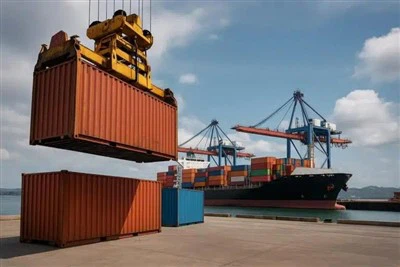
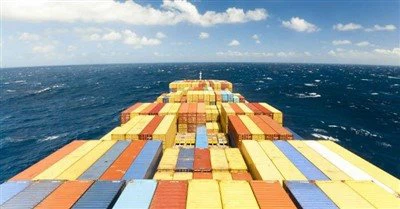
For companies involved in international trade, shipping from China to Canada is a routine but critical part of the supply chain. Among all transport options, sea freight shipping from China to Canada remains the most widely used method thanks to its cost advantages and capacity for large volumes.
However, sea freight is not just about booking a container and waiting for it to arrive. Costs, transit time, and operational details can vary widely depending on how the shipment is planned. A small mistake-such as choosing the wrong shipping mode, misunderstanding port charges, or underestimating transit time-can quickly eat into profit margins or cause delivery delays. This guide explains sea freight from China to Canada in practical terms.

Overview of Sea Freight from China to Canada
Sea freight is the backbone of trade between China and Canada. It is especially suitable for shipments where cost control and volume matter more than speed.
When Sea Freight Makes Sense
Sea freight from China to Canada is usually the best option if you are shipping:
Large or bulky cargo such as furniture, machinery, or building materials
Heavy goods where air freight would be too expensive
Non-urgent shipments with flexible delivery timelines
Regular commercial imports rather than samples or small parcels
Sea Freight vs. Air Freight vs. Express Shipping
When choosing a shipping method, it helps to understand the basic differences:
|
Shipping Method |
Cost |
Transit Time |
Best For |
|
Sea Freight |
Lowest for large volumes |
Longest |
Bulk and non-urgent cargo |
|
Air Freight |
High |
Fast |
Time-sensitive or high-value goods |
|
Express Courier |
Very high |
Fastest |
Small, urgent shipments |
While air and express shipping are faster, they become expensive very quickly as shipment size increases. For most importers, ocean freight from China to Canada offers the best balance between cost and reliability.
Typical Users of Sea Freight
Sea freight is commonly used by:
- Importers and wholesalers bringing goods into Canada
- Manufacturers sourcing raw materials or components from China
- Retailers and distributors replenishing inventory
- E-commerce sellers shipping larger batches to Canadian fulfillment centers
Sea Freight Cost from China to Canada (FCL & LCL)
Understanding sea freight cost from China to Canada is often the first concern for importers. While exact prices change frequently, it is still possible to estimate costs by looking at shipment type and operating conditions.
It is important to note that all prices discussed below are reference ranges, not fixed rates. Actual costs depend on market conditions, carrier availability, and shipment details at the time of booking.
Key Factors Affecting Sea Freight Cost
Several factors influence ocean freight rates from China to Canada, including:
- FCL vs. LCL : Full Container Load (FCL) is priced per container, while Less than Container Load (LCL) is priced by volume.
- Cargo volume and weight: Larger and heavier shipments generally cost more, especially for LCL shipments calculated per cubic meter.
- Port of origin in China: Major ports such as Shanghai, Ningbo, and Shenzhen usually offer more frequent sailings and competitive rates.
- Destination in Canada: Vancouver is the main ocean gateway. Shipments to Montreal or Toronto are typically routed via Vancouver and then moved inland by rail or truck.
- Peak season vs. off-season: Rates are usually higher during peak periods, such as late summer and pre-holiday seasons.
- Surcharges: Fuel surcharges, peak season surcharges, and congestion fees can significantly affect the final cost.
FCL vs. LCL Sea Freight Cost from China to Canada
The choice between FCL and LCL has a major impact on China to Canada shipping cost.
Typical Cost Ranges (For Reference Only)
|
Shipping Type |
Estimated Cost Range |
Notes |
|
20ft Container (FCL) |
USD 2,500 – 5,500 |
Depends on season and route |
|
40ft / 40HQ Container (FCL) |
USD 3,500 – 6,500 |
Common choice for larger shipments |
|
LCL Shipping |
USD 200 – 400 per CBM |
Minimum charges usually apply |
These figures can change quickly and should be treated as general guidance, not guaranteed pricing.
When FCL Is More Cost-Effective
Your cargo volume is typically above 15–18 CBM
You want faster handling and lower risk of delays
You prefer simpler cost structures
When LCL Is a Better Choice
Your shipment is relatively small
You do not need a full container
You are flexible with transit time
Sea Freight Cost Breakdown & Hidden Charges
A common misunderstanding is assuming that the quoted ocean freight rate covers everything. In reality, shipping cost breakdown from China to Canada usually includes several parts:
- Origin charges: Export documentation, terminal handling, and loading fees in China
- Ocean freight: The cost charged by the carrier for moving the container by sea
- Destination charges: Terminal handling charges, documentation fees, and port-related costs in Canada
- Customs clearance and inland transport: Customs brokerage, duties and taxes, rail or truck delivery to the final destination
One of the most frequent issues importers face is hidden shipping fees in China to Canada shipments, especially at the destination. Extremely low freight quotes may exclude destination charges, which can lead to unexpected costs later. Understanding the full cost structure upfront helps avoid unpleasant surprises and sets realistic expectations.
Sea Freight Transit Time from China to Canada
In addition to cost, sea freight transit time from China to Canada is a key planning factor. Transit times vary depending on route, shipping mode, and final destination.
China to Canada Sea Freight Transit Time by Route
Below are typical China to Canada shipping time estimates under normal conditions:
- China to Vancouver (Port to Port): Approximately 20–35 days, depending on the port of origin and vessel schedule
- China to inland Canada (via Vancouver + rail): Approximately 30–45 days for destinations such as Toronto or Montreal
- FCL vs. LCL: FCL shipments are generally faster than LCL because they avoid consolidation and deconsolidation processes
These timeframes are conservative estimates designed to be realistic rather than optimistic.
Port-to-Port vs. Door-to-Door Sea Freight Time
Understanding the difference between port to port sea freight from China to Canada and door to door shipping from China to Canada is important:
- Port to Port
Covers only the ocean leg between ports. It is cheaper but requires the importer to handle customs clearance and inland delivery.
- Door to Door
Includes pickup, ocean freight, customs clearance, and final delivery. It costs more but offers simplicity and better time control.
Door-to-door solutions are often preferred by importers who want fewer operational steps and more predictable delivery.
Common Reasons for Sea Freight Delays
Even with careful planning, delays can happen. Common causes include:
- Peak season congestion at ports
- Customs inspections or documentation issues
- Weather-related disruptions
- Changes in vessel schedules or transshipment delays
Being aware of these factors helps importers build more reliable timelines and reduce supply chain risk.

Sea Freight Shipping Process from China to Canada
Understanding the sea freight process from China to Canada helps importers avoid delays, extra costs, and unnecessary confusion. While the process may look complex at first, it generally follows a clear and repeatable structure.
Step-by-Step Sea Freight Process
If you are wondering how to ship from China to Canada by sea, the process usually includes the following steps:
1. Freight Quote & Booking
The process starts with a quotation based on cargo details such as volume, weight, origin, and destination. Once the rate is confirmed, space is booked with the shipping line.
2. Cargo Pickup or Warehouse Delivery
Goods are either collected from the supplier's factory or delivered to a consolidation warehouse, especially for LCL shipments.
3. Export Customs Clearance in China
Export documentation is submitted, and Chinese customs approves the shipment for export. This step must be completed before cargo can be loaded onto the vessel.
4. Ocean Transportation
The container is loaded onto the vessel and shipped to Canada. Transit time depends on the route, vessel schedule, and whether the shipment is FCL or LCL.
5. Customs Clearance in Canada
Upon arrival, Canadian customs reviews the shipment. Duties, taxes, and required documentation are handled during this stage.
6. Rail or Truck Delivery to Final Destination
For inland destinations such as Toronto or Montreal, cargo is transported from the port by rail or truck. Final delivery completes the shipping process from China to Canada.
Each step is connected. Delays or errors in earlier stages often affect the entire timeline.
Documents Required for Sea Freight to Canada
Accurate documentation is essential for smooth Canada customs clearance for sea freight. Missing or incorrect paperwork is one of the most common causes of delays.
Key shipping documents from China to Canada include:
Commercial Invoice: Details the buyer, seller, goods description, and declared value.
Packing List: Specifies how goods are packed, including weight, dimensions, and number of packages.
Bill of Lading (B/L): Acts as the transport contract and proof of shipment.
Certificate of Origin (if applicable): Required for certain goods or when preferential tariffs apply.
Ensuring consistency across all documents helps reduce customs issues and speeds up clearance.
Best Practices for Sea Freight from China to Canada
Applying the right strategies can significantly reduce cost and risk. These best practices for sea freight from China to Canada are based on common operational scenarios importers face.
How to Choose a Reliable Freight Forwarder
A dependable freight forwarder from China to Canada plays a major role in shipment success. When evaluating China to Canada freight forwarding services, consider the following:
- Transparent pricing
A reliable forwarder clearly explains what is included and what is not.
- Clear explanation of destination charges
Destination fees should be discussed upfront, not added later without warning.
- Local support in Canada
Access to Canadian agents helps with customs clearance and inland transport.
- Experience with customs and rail operations
Familiarity with Canadian regulations and inland logistics improves efficiency.
A good forwarder focuses on long-term cooperation rather than one-time pricing.
Common Mistakes & How to Avoid Them
Many shipping issues come from avoidable decisions. Common shipping mistakes from China to Canada include:
- Choosing the lowest quote without understanding the details
Low prices often exclude destination charges.
- Ignoring destination port and inland costs
These fees can represent a significant portion of the total cost.
- Selecting the wrong shipping mode (FCL vs LCL)
Small shipments may not always benefit from LCL, and large shipments may suffer delays if misclassified.
- Using the wrong Incoterms (FOB, CIF, DDP)
Each term affects cost responsibility, risk, and control.
Taking time to understand these factors prevents costly corrections later.
How to Reduce Sea Freight Cost & Risk
While there is no single cheapest way to ship from China to Canada in every situation, the following strategies often help reduce shipping cost from China to Canada:
- Book early: Early bookings usually provide better availability and more stable pricing.
- Avoid peak shipping seasons when possible: Rates and congestion increase significantly during peak periods.
- Choose the right container option: Balance shipment size with FCL or LCL to avoid unnecessary costs.
- Work with the same forwarder long term: Long-term cooperation often leads to better service consistency and pricing.
Cost control works best when combined with realistic scheduling.
Why Work with a Professional Freight Forwarder
Handling international shipping independently can be challenging. A professional shipping agent from China to Canada provides more than just transportation.
Working with an experienced forwarder offers:
- One-stop solutions, including customs clearance and inland delivery
- Better risk control through experience and contingency planning
- Predictable costs and timelines
- Door to door shipping from China to Canada, reducing operational complexity
For businesses importing regularly, professional support often leads to fewer disruptions and more stable supply chains.
FAQ
How long does sea freight take from China to Canada?
Transit time usually ranges from 20 to 35 days to Vancouver and 30 to 45 days for inland destinations, depending on routing and shipment type.
How much does it cost to ship from China to Canada by sea?
Costs vary based on container type, volume, season, and destination. FCL and LCL pricing structures are different and should be evaluated case by case.
FCL vs LCL: which is better for China to Canada shipping?
FCL is often better for larger shipments, while LCL suits smaller volumes. The best option depends on cargo size, timing, and budget.
About the Author
We are Wilson Supply Chain Management, an international freight forwarding company founded in 2011 and headquartered in Ningbo, China, with offices in Shanghai, Shenzhen, and Hong Kong. We specialize in sea freight from China to Canada, helping businesses manage shipments with clear costs, reliable transit times, and practical logistics solutions.
With end-to-end services covering ocean freight, customs clearance, inland transportation, and supply chain management, we support importers across multiple industries in moving cargo efficiently and with confidence.
Planning a sea shipment from China to Canada?
Contact us for a tailored shipping solution and a competitive quote.