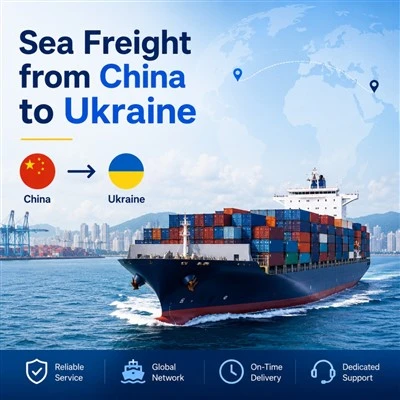
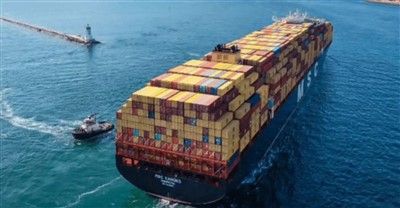
Over the past decade, trade between China and Croatia has experienced consistent growth, driven by strong economic cooperation under the Belt and Road Initiative (BRI) and Croatia's strategic position as a key entry point to Central and Eastern Europe. According to recent trade data, bilateral trade volumes have exceeded USD 2 billion annually, with China exporting a wide range of products including electronics, machinery, furniture, textiles, and household goods to Croatia, while importing chemicals, wine, wood, and metal products in return.
As an EU member state with access to the Adriatic Sea, Croatia serves as a vital maritime gateway connecting Europe, the Balkans, and the Mediterranean. Its flagship deep-water port, Rijeka, plays a crucial role in facilitating Chinese exports to Central Europe through multimodal logistics combining sea, rail, and road transport.
With shipping routes maturing and customs cooperation becoming more streamlined, sea freight from China to Croatia has become the most cost-effective and reliable method for importers and exporters looking to balance efficiency and budget.

Main Ports for Sea Freight from China to Croatia
When shipping from China to Croatia, both the origin ports in China and the destination ports in Croatia play a vital role in determining cost, efficiency, and transit time.
Major Chinese Ports of Origin
China has multiple major seaports offering weekly container departures to the Adriatic region, primarily serving Rijeka and other Croatian ports through direct or transshipment routes:
- Shanghai Port – China's largest and busiest port, offering stable and frequent sailings.
- Ningbo-Zhoushan Port – A major East China hub known for competitive rates and efficient handling.
- Shenzhen Port – Preferred for South China shipments, supported by strong manufacturing supply chains.
- Qingdao Port – Suitable for North China exports, particularly machinery and industrial goods.
- Guangzhou Port – Serves Southern China manufacturers with versatile routes to Europe.
Major Croatian Ports of Destination
Croatia has a well-developed network of seaports, strategically located along the Adriatic coast:
- Rijeka Port – The primary maritime gateway of Croatia and part of the EU's TEN-T core network. It connects directly to Central Europe via railway and highway, handling most containerized imports from China.
- Split Port – Located in Dalmatia, suitable for shipments to southern Croatia and nearby regions.
- Ploče Port – A deep-water port supporting bulk cargo and industrial imports.
- Zadar and Pula Ports – Secondary ports serving local and regional distribution needs.
In most cases, Rijeka Port is the optimal choice for FCL and LCL shipments due to its handling capacity, customs facilities, and intermodal connectivity to countries such as Hungary, Austria, and Slovenia.
Why Choose Sea Freight from China to Croatia
Sea freight remains the most widely used and cost-efficient mode of transportation between China and Croatia. It is ideal for businesses shipping large, heavy, or bulk cargo that is not time-sensitive. Compared to air or rail, sea transport offers significant savings in cost per cubic meter and supports a wide range of goods, from consumer products to industrial equipment.
Sea shipping is particularly suitable when:
- Your shipment volume exceeds 2–3 CBM (for LCL) or 15 CBM (for FCL).
- You require cost optimization for long-distance international trade.
- You are importing regular, stable cargo flows with predictable delivery schedules.
- You value safety, reliability, and full-container control throughout the logistics chain.
For importers and distributors across Europe, sea freight via Rijeka Port also allows easy inland distribution to neighboring EU markets, making it an excellent balance of cost, coverage, and flexibility.

How Our Sea Freight from China to Croatia Services Work
At Zhejiang Wilson Supply Chain Management Co., Ltd., we provide end-to-end sea freight forwarding solutions covering every step from factory pickup in China to final delivery in Croatia. Our integrated logistics process ensures your cargo moves smoothly, securely, and on time.
Step 1: Inquiry & Quotation
Clients provide shipment details such as cargo type, dimensions, weight, and destination. Our professional logistics team analyzes the data and provides optimized route options and competitive quotes, leveraging long-term partnerships with major carriers like COSCO, MSC, MAERSK, HPL, and EMC.
Step 2: Booking & Pickup
Once confirmed, we arrange booking and coordinate pickup from your supplier's location-whether it's in Shanghai, Ningbo, Shenzhen, or another manufacturing hub. For LCL cargo, we consolidate shipments in our local warehouses before export.
Step 3: Export Customs & Documentation
Our export specialists handle all required documentation, including the Bill of Lading, Commercial Invoice, Packing List, and Certificate of Origin. We also assist with HS code classification to ensure compliance and smooth export clearance.
Step 4: Ocean Freight Transport
Your cargo is shipped via our contracted carriers on the most efficient route-either direct or via transshipment hubs (such as Piraeus, Hamburg, or Koper). Throughout the voyage, our tracking system provides real-time visibility of the shipment status.
Step 5: Arrival & Customs Clearance in Croatia
Upon arrival at Rijeka Port or other Croatian entry points, we coordinate customs procedures, duty payments, and container handling to minimize delays. For time-sensitive shipments, we offer pre-clearance support to ensure immediate cargo release upon arrival.
Step 6: Inland Delivery
We provide door-to-door delivery across Croatia and neighboring EU countries via truck or rail, supported by our partner logistics network. Clients receive delivery confirmation and complete shipment reports upon handover.
This transparent, step-by-step process is designed to provide a seamless logistics experience, ensuring safety, efficiency, and total control from China to Croatia.
Customs Clearance in Croatia
As a member of the European Union, Croatia applies EU-wide customs and taxation regulations, making the clearance process systematic yet demanding strict compliance. Wilson's customs team and local partners in Rijeka ensure all import procedures meet EU requirements to guarantee smooth entry for your cargo.
Key Steps in Croatian Customs Clearance
- Arrival Notice – Issued by the carrier or freight forwarder when the vessel approaches Rijeka Port.
- Document Submission – Importers or agents submit the necessary documents, including Bill of Lading, Invoice, Packing List, and the Single Administrative Document (SAD).
- Customs Review & Inspection – Customs authorities verify the declaration, HS codes, and cargo value. Random physical inspections may occur (affecting about 10–30% of shipments).
- Duties and VAT Payment – Duties are applied according to EU tariff rates (commonly 2%–10% for industrial goods, up to 25% VAT).
- Cargo Release – Once taxes are settled and the inspection is cleared, goods are released for pickup or onward distribution.
Wilson's Customs Clearance Support
- Pre-declaration 5 days before vessel arrival, minimizing port storage and demurrage charges.
- EU-compliant documentation assistance, ensuring alignment with CE, RoHS, and safety standards.
- Handling EORI registration for new importers.
- Special cargo support, including dangerous goods, chemicals, and electronics.
- End-to-end coordination, from customs submission to warehouse delivery.
By combining expertise in EU import laws, AEO certification, and digital customs systems, Wilson ensures faster cargo release and fewer clearance issues, saving clients both time and cost.

Advantages of Our Sea Freight from China to Croatia
Choosing Wilson Supply Chain Management means partnering with one of China's most reliable and experienced freight forwarders. Our strengths are built on professionalism, transparency, and long-term logistics expertise.
1. Strong Global Carrier Network
Direct cooperation with major shipping lines (COSCO, MAERSK, MSC, HPL, EMC) guarantees priority space allocation, stable rates, and flexible sailing schedules year-round.
2. Expertise in Special Cargo & Dangerous Goods
Wilson has extensive experience handling chemicals, oversized machinery, and refrigerated goods, supported by our FIATA, IATA, ISO, and NVOCC certifications.
3. Advanced Supply Chain Integration
We provide one-stop supply chain solutions, including freight forwarding, import/export customs clearance, warehousing, and inland delivery. Clients can manage every step through our digital logistics tracking platform.
4. Local Advantage in Ningbo & Coastal Ports
As a market leader at the Ningbo port, Wilson ensures faster container handling, especially for key commodities such as tea, chemicals, and machinery.
5. Cost Optimization & Efficiency
Our logistics planners optimize container loading, shipment timing, and routing to achieve 15–30% cost savings while maintaining delivery reliability.
6. Professional and Responsive Team
Our 26-member logistics team, each with over 8 years of experience, ensures expert guidance, accurate documentation, and timely updates throughout the shipping process.
7. Full Transparency and Legal Compliance
We emphasize complete visibility through regular shipment reports, compliance audits, and transparent billing-protecting clients against hidden surcharges and delays.
Cost & Time Estimates of Sea Freight from China to Croatia
Shipping costs and transit times from China to Croatia vary depending on several factors such as the port of origin, container size, shipping line, cargo type, and whether the service is FCL (Full Container Load) or LCL (Less than Container Load). Based on market averages and industry data, the following estimates can be used as a reference:
|
Shipping Mode |
Container Type / Volume |
Estimated Cost (USD) |
Estimated Transit Time |
Notes |
|
FCL (Full Container Load) |
20ft (20GP) |
$1,800 – $2,500 |
35 – 45 days |
Suitable for large shipments; faster and safer |
|
FCL (Full Container Load) |
40ft (40HQ) |
$3,000 – $4,200 |
35 – 45 days |
Ideal for bulk or heavy goods |
|
LCL (Less than Container Load) |
<15 CBM |
$120 – $180 / CBM |
40 – 50 days |
Economical for small shipments |
|
Door-to-Door (FCL) |
1x40HQ |
$3,800 – $4,800 |
45 – 55 days |
Includes customs, delivery to warehouse |
|
Door-to-Door (LCL) |
<10 CBM |
$150 – $200 / CBM |
45 – 60 days |
Includes clearance and local delivery |
【Note】: Transit times may vary slightly based on weather conditions, customs processing, and port congestion. Prices listed are indicative and subject to change based on market fluctuations. For precise quotations and schedules, please contact our team today for an accurate quote tailored to your goods and a better offer! ( gm@wilson-cargo.com )

Sea Freight from China to Croatia
Get in touch with our sea freight experts immediately to discuss your requirements and get a quick quote.
How We Help You Save Cost and Time
- Selecting the best route and vessel to reduce transit time and handling costs.
- Combining LCL shipments to lower unit shipping costs.
- Advising clients on optimal shipment timing, avoiding congestion during holiday and peak seasons.
- Offering flexible shipping modes, such as FCL, LCL, or multimodal solutions (sea-rail, sea-air).
- Pre-clearing customs to ensure immediate release upon vessel arrival, reducing port storage costs.
Common Factors That May Affect Transit Time
- Port Congestion: Especially at transshipment hubs such as Piraeus or Hamburg.
- Seasonal Demand: Rates and space availability fluctuate during Q4 and pre-Chinese New Year.
- Weather Conditions: Typhoons or heavy storms in the Indian Ocean or Mediterranean.
- Documentation Errors: Missing or incorrect HS codes, invoices, or certificates.
- Customs Inspections: Random or risk-based checks may add 1–3 days.
With Wilson's proactive planning, 24/7 tracking system, and experienced customs team, we minimize such risks to keep your cargo on schedule and on budget.
Major Ports and Airports in China and Croatia
Major Chinese Seaports for Croatia Shipments
- Shanghai Port – The world's busiest port, providing the fastest and most frequent sailings to the Mediterranean.
- Ningbo-Zhoushan Port – Excellent for East China exporters, with stable rates and top handling capacity.
- Shenzhen Port – Ideal for South China and Guangdong shipments; supported by advanced logistics zones.
- Qingdao Port – Serves North China and industrial regions; offers competitive pricing.
- Xiamen & Guangzhou Ports – Suitable for smaller exporters seeking flexible routes.
Major Croatian Seaports
1.Rijeka Port – Croatia's largest port and part of the EU's Core TEN-T Mediterranean Corridor. Handles over 400,000 TEU annually, connecting to Central Europe via rail and road.
- Functions: Container handling, intermodal transfer, customs, and bonded warehousing.
- Advantages: Deep-water access, modern infrastructure, short rail distance to Hungary, Austria, and Slovenia.
2.Split Port – Major southern port; supports domestic cargo and ferry operations.
3.Ploče Port – Deep-sea port for bulk cargo and industrial materials.
4.Zadar & Pula Ports – Serve smaller shipments and coastal trade.
Major Croatian Airports
While sea freight dominates China–Croatia trade, Zagreb Franjo Tuđman Airport (ZAG) remains the main air freight hub. It handles time-sensitive shipments (pharmaceuticals, electronics, etc.) transshipped via Frankfurt, Vienna, or Istanbul.
Together, these ports and airports form a complete network allowing flexible sea-air or multimodal solutions for importers.
China–Croatia Bilateral Trade Overview
Trade between China and Croatia has grown steadily since the two nations strengthened cooperation under the China–CEEC (Central and Eastern European Countries) framework. China is now one of Croatia's top non-EU trading partners.
Key Exported Goods from China to Croatia
- Electrical machinery and consumer electronics
- Furniture, home appliances, and lighting products
- Clothing, textiles, and footwear
- Toys and household items
- Automotive parts and construction materials
Key Exported Goods from Croatia to China
- Chemical products and pharmaceuticals
- Wood and paper materials
- Wine, food, and beverages
- Metal products and machinery components
Emerging Trends
- Growth in e-commerce logistics and door-to-door shipping solutions.
- Increasing adoption of green logistics and digital customs clearance.
- Enhanced cooperation through the Belt and Road Initiative, facilitating investment in Croatian port and rail infrastructure.
Import Regulations and Legal Terms
Importing goods into Croatia requires compliance with EU customs regulations, as Croatia fully follows EU trade laws. Key terms and legal aspects include:
- HS Code (Harmonized System Code): Determines tariff rate and import requirements. Correct classification avoids delays or penalties.
- EORI Number (Economic Operator Registration and Identification): Required for all importers/exporters within the EU.
- SAD (Single Administrative Document): The main customs declaration form used in all EU member states.
- CE Certification: Confirms that imported goods meet EU health, safety, and environmental protection standards.
- VAT (Value Added Tax): Croatia applies a standard rate of 25% on imported goods; some items qualify for reduced rates.
- Import Duty: Varies by commodity, typically between 2%–10%.
- Certificate of Origin (CO): Proves the goods' country of manufacture and may influence tariff reductions.
- Prohibited & Restricted Goods: Weapons, counterfeit products, endangered species, and hazardous materials without permits are not allowed.
Wilson's compliance specialists ensure all documentation aligns with EU and Croatian requirements, helping importers avoid legal risks and unexpected surcharges.
How to Source Products in China
For importers new to China sourcing, understanding the local supply chain landscape is key to ensuring product quality and stable delivery.
Recommended Sourcing Channels
- Verified B2B Platforms – Alibaba, Made-in-China, and Global Sources offer thousands of verified factories.
- Trade Fairs – Events like the Canton Fair (Guangzhou) and China International Import Expo (Shanghai) provide face-to-face supplier engagement.
- Industry Clusters – Visit manufacturing hubs (e.g., electronics in Shenzhen, textiles in Suzhou, furniture in Foshan).
- Third-Party Quality Inspection – Use inspection agencies to verify product quality before shipping.
How Wilson Assists You
- Supplier Verification: We help clients confirm supplier legitimacy and export experience.
- Logistics Integration: Once your order is ready, Wilson arranges export clearance, shipping, and customs in one streamlined service.
- Risk Mitigation: Our experts advise on Incoterms, packaging standards, and insurance coverage.
- Flexible Procurement Support: From factory consolidation to DDP delivery, we tailor end-to-end trade logistics.
By partnering with Wilson, overseas importers can confidently source, ship, and clear goods from China to Croatia under one trusted logistics network.
FAQs
Q: 1. What is the average shipping time from China to Croatia by sea?
A: Typically 35–45 days port-to-port; door-to-door may take 45–55 days depending on customs and delivery distance.
Q: 2. Which port should I choose when importing to Croatia?
A: Rijeka Port is the main entry point, with advanced facilities and direct connections to Central Europe.
Q: 3. What is the difference between FCL and LCL shipping?
A: FCL (Full Container Load) is ideal for shipments over 15 CBM, providing faster and safer transport. LCL (Less than Container Load) suits smaller volumes, allowing cost sharing.
Q: 4. Do I need an EORI number to import goods to Croatia?
A: Yes. All EU importers and exporters must have an EORI number for customs clearance.
Q: 5. What are the main costs involved in sea shipping?
A: Sea freight charges, port fees, customs duties, VAT, documentation, and local delivery costs. Wilson provides transparent quotes covering all stages.
Q: 6. What documents are required for customs clearance?
A: Bill of Lading, Commercial Invoice, Packing List, Certificate of Origin, and SAD form. Wilson's team helps you prepare all necessary paperwork.
Q: 7. What are common causes of shipment delay?
A: Port congestion, incomplete documents, customs inspection, or weather-related disruptions. Wilson's proactive planning minimizes such risks.
Q: 8. Can Wilson provide door-to-door delivery service in Croatia?
A: Yes. We handle everything from pickup in China to final delivery in Croatia or other EU destinations, including customs and inland trucking.
Q: 9. How can I track my shipment?
A: Wilson's online tracking platform allows clients to monitor cargo status in real time, from loading to delivery.
Q: 10. Does Wilson handle special cargo like chemicals or oversized equipment?
A: Absolutely. We are certified for dangerous goods (DG), oversized cargo, and refrigerated transport, ensuring safe and compliant delivery.
Hot Tags: sea freight services from china to croatia, price, cheap, cost, quote, service, provide, forwarder, company