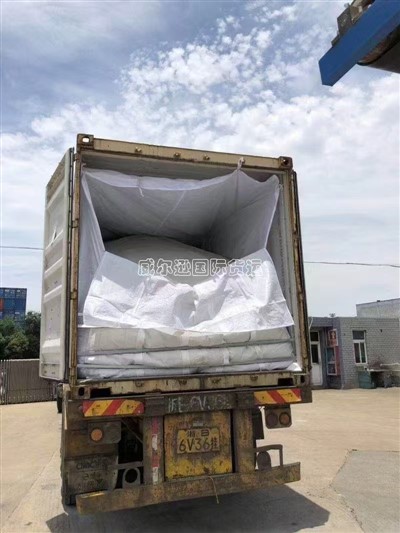
Shipping goods from China to Switzerland by sea is a practical and cost-effective option for machinery, industrial materials, consumer products, chemicals, furniture and other large-volume cargo.
Because Switzerland is landlocked and has no ocean seaport, containers do not sail directly to Zurich, Geneva or Basel. Cargo is normally shipped from China to a major European port such as Rotterdam, Antwerp, Hamburg or Genoa. It is then transported into Switzerland by rail, truck or inland barge.
A typical route looks like this:
Supplier in China → Chinese loading port → European seaport → Swiss customs clearance → Basel, Zurich, Geneva or final delivery address
Estimated sea freight transit times generally range from 32 to 45 days for FCL shipments and 35 to 50 days for LCL shipments, depending on the origin, European entry port, customs procedures and final destination.
Indicative rates may start from approximately USD 3,000–4,500 for a 20GP container or USD 150–250 per CBM for LCL cargo. These figures are market estimates rather than fixed quotations.
Zhejiang Wilson Supply Chain Management Co., Ltd. has provided international freight forwarding and supply chain services since 2011. Headquartered in Ningbo, with branches in Shanghai, Shenzhen and Hong Kong, we coordinate FCL, LCL, special-container, chemical, dangerous-goods and door-to-door shipments from major Chinese cities to destinations across Switzerland.
Send us your pickup location, Swiss delivery postcode, cargo description, weight, volume and preferred shipping date. Our team will prepare a route-specific freight plan and quotation.

Cost of Sea Freight From China to Switzerland
The cost of shipping from China to Switzerland includes more than the ocean freight rate. Since Switzerland is an inland destination, the quotation may also include European port handling, customs transit and inland transportation into Switzerland.
The following figures can be used as general budgeting references.
| Shipping method | Estimated cost | Suitable cargo |
|---|---|---|
| 20GP FCL | USD 3,000–4,500 | Medium-volume commercial cargo |
| 40GP FCL | USD 4,800–6,200 | Large-volume or heavy cargo |
| 40HQ FCL | USD 5,000–6,500 | Bulky cargo requiring additional container height |
| LCL shipping | USD 150–250 per CBM | Small shipments that do not require a full container |
These rates are indicative market estimates only. Final pricing depends on the shipping date, cargo characteristics, route, carrier availability and required service scope.
Customs duties, Swiss import VAT, inspection charges, demurrage, storage, special handling and remote-area delivery may not be included unless clearly stated in the quotation.
Get Latest Ocean Freight Rates Now
Transit Time From China to Switzerland
Transit time depends on whether the shipment is FCL or LCL, the Chinese port of departure, the European entry port and the final delivery location in Switzerland.
| Service type | Estimated transit time |
|---|---|
| FCL to a Swiss inland hub | 32–42 days |
| FCL door to door | 35–45 days |
| LCL to a Swiss inland hub | 35–46 days |
| LCL door to door | 40–50 days |
| European port to Switzerland | 3–7 days |
| Basel to major Swiss cities | 1–3 days |
These are estimated lead times rather than guaranteed delivery periods.
FCL is generally faster and more predictable because the container does not need to wait for consolidation or deconsolidation. LCL shipments require additional warehouse handling at both origin and destination, which may add several days.
Common Sea Freight Routes to Switzerland
Typical routing options include:
| Origin in China | European entry port | Swiss destination |
|---|---|---|
| Shanghai or Ningbo | Rotterdam | Basel, Zurich or central Switzerland |
| Shanghai or Ningbo | Hamburg | Basel, Bern or Zurich |
| Shenzhen or Guangzhou | Antwerp | Basel, Geneva or western Switzerland |
| Qingdao or Tianjin | Hamburg or Rotterdam | Major Swiss industrial areas |
| Major Chinese ports | Genoa | Southern Switzerland and selected inland destinations |
The lowest ocean rate is not always the best route. A slightly higher sea freight rate may result in a lower total cost when inland transport, port congestion and delivery distance are considered.
What Can Delay a Shipment?
Common causes of delay include:
- Vessel schedule changes
- Rolled containers
- Severe weather
- Port congestion
- Peak-season space shortages
- LCL consolidation delays
- Incorrect or incomplete documents
- Customs inspections
- Product compliance problems
- Dangerous-goods approval
- Missed rail or barge connections
- Delivery appointment restrictions
- Storage caused by late customs instructions
Accurate documents and early route planning are essential for keeping the total lead time under control.
Our Sea Freight Services From China to Switzerland
Wilson provides flexible sea freight solutions for standard cargo, small shipments and complex industrial projects.
FCL Shipping
Full Container Load shipping is suitable when the cargo volume is large enough to justify a dedicated container or when the goods should not be mixed with other shipments.
Available container options include:
- 20GP
- 40GP
- 40HQ
- Open-top containers
- Flat-rack containers
- Refrigerated containers
FCL is often selected for machinery, furniture, automotive parts, industrial materials, high-value cargo and fragile goods.
The container can be loaded at the supplier's factory, at a Wilson warehouse or at another agreed loading location.
LCL Shipping
Less than Container Load shipping allows smaller shipments to share container space with cargo from other shippers.
Wilson can coordinate:
- Supplier pickup
- Consolidation at a Chinese warehouse
- Cargo measurement and receiving
- Export documentation
- LCL booking
- European deconsolidation
- Customs transit
- Swiss customs support
- Final delivery
LCL is usually suitable for smaller commercial shipments. However, cargo that is fragile, high-value, unusually shaped or incompatible with other goods may still be better shipped in a dedicated container.
Door-to-Door Shipping
Our door-to-door service combines the main stages of the shipment under one logistics plan.
Depending on the agreed Incoterm and service scope, the process may include:
- Pickup from the Chinese supplier
- Warehousing and consolidation
- Export customs declaration
- Ocean freight
- European port handling
- Customs transit into Switzerland
- Swiss import clearance support
- Duties and VAT coordination
- Rail or truck transportation
- Delivery to the consignee
This service reduces the need to coordinate separate trucking companies, customs brokers, warehouses and port agents.
Sea–Rail and Sea–Truck Transportation
After arriving at Rotterdam, Antwerp, Hamburg, Genoa or another European port, cargo can be transported into Switzerland by rail or truck.
Rail is commonly used for predictable container movement into major inland hubs. Trucking provides greater flexibility for final delivery and locations that are not directly connected to a rail terminal.
Barge transportation through the Rhine network may also be considered for selected routes into the Basel region.
Special Container and Oversized Cargo Shipping
Wilson provides transportation planning for cargo that cannot fit safely into a standard dry container.
Services include:
- Open-top container shipping
- Flat-rack container shipping
- Oversized machinery transport
- Heavy equipment shipping
- Project cargo planning
- Vehicle transportation
- Loading and securing coordination
- Route and lifting assessment
Accurate drawings, dimensions, gross weight, lifting points and cargo photographs should be provided before booking.
Chemical and Dangerous Goods Shipping
Chemical products require more detailed review than ordinary general cargo.
Wilson has experience handling chemicals and dangerous goods, including selected Class 2 and Class 5.1 cargo.
Before accepting a shipment, our team may review:
- Cargo name
- Chemical composition
- MSDS
- UN number
- Dangerous-goods class
- Packing group
- Packaging certificate
- Flash point, where applicable
- Container requirements
- Carrier acceptance rules
- Chinese export requirements
- Destination compliance requirements
Not every chemical product is classified as dangerous goods. Final acceptance depends on the cargo documents, carrier policy, route and applicable regulations.
Warehousing and Consolidation
When goods are purchased from multiple Chinese suppliers, Wilson can arrange consolidation before export.
Services may include:
- Supplier coordination
- Cargo receiving
- Quantity checks
- Temporary storage
- Palletisation
- Labelling
- Package measurement
- Consolidated loading
- Combined shipping documentation
This can reduce the number of separate shipments and simplify supply chain management.
Cargo Insurance and Claims Assistance
Cargo insurance can be arranged based on the value, commodity, route and Incoterm.
Insurance may cover eligible physical loss or damage according to the policy terms. Ordinary delay, loss of market, insufficient packaging and consequential loss are not automatically covered under standard cargo policies.
Wilson can also assist with document collection and communication during eligible cargo claims.
How Our Sea Shipping Service Works
Step 1: Submit Your Shipment Details
Provide the following information:
- Pickup address in China
- Delivery address or postcode in Switzerland
- Cargo description
- HS Code, if available
- Number of packages
- Gross weight
- Total volume
- Package dimensions
- Cargo value
- Incoterm
- Preferred shipping date
- FCL or LCL requirement
- Dangerous-goods status, if applicable
Accurate information is necessary for route planning and cost calculation.
Step 2: Route and Cost Planning
Our team evaluates the cargo and compares possible shipping plans.
This may include:
- FCL versus LCL
- Chinese loading port
- European entry port
- Carrier and sailing schedule
- Rail, barge or truck transfer
- Customs transit arrangements
- Swiss customs location
- Final delivery requirements
We provide a primary plan and, where practical, an alternative route.
Step 3: Booking and Cargo Pickup
After the quotation and schedule are confirmed, Wilson arranges the booking and coordinates cargo pickup.
For FCL cargo, an empty container may be delivered to the factory for loading. For LCL cargo, the goods are normally delivered to or collected for transport to a consolidation warehouse.
Step 4: Export Documentation and Customs Clearance
Our team checks the export information and coordinates the Chinese customs declaration.
Typical export documents include:
- Commercial invoice
- Packing list
- Sales contract
- Customs declaration information
- Product description
- Certificate or licence, where required
- Dangerous-goods documents, where applicable
Document details should be consistent across the invoice, packing list, customs declaration and transport documents.
Step 5: Ocean Transportation
After customs release and loading, the container is shipped to the selected European port.
Wilson provides milestone updates, which may include:
- Booking confirmation
- Cargo pickup
- Customs release
- Container loading
- Vessel departure
- Transshipment
- Estimated arrival
- European port arrival
Tracking information depends on carrier data and terminal availability.
Step 6: European Port Handling and Customs Transit
When the shipment arrives in Europe, the container is discharged and prepared for inland movement.
Because Switzerland is outside the European Union, Swiss-destination cargo is commonly moved under a customs transit procedure rather than being automatically imported into the EU.
The exact procedure depends on the route, Incoterm, importer arrangement and customs plan.
Step 7: Swiss Import Customs Clearance
The Swiss importer or appointed customs representative submits the import declaration.
The clearance process may require:
- Commercial invoice
- Packing list
- Bill of Lading
- HS Code
- Country of origin
- Importer details
- Customs value information
- Product certificates
- Import permits
- Technical documentation
- Preferential origin documents, where applicable
Duties and import VAT must be handled before the goods can be released, unless an approved deferred-payment or customs arrangement applies.
Step 8: Final Delivery
After customs release, the shipment is transported to the final Swiss destination.
Delivery can be arranged to:
- Basel
- Zurich
- Geneva
- Bern
- Lausanne
- Lucerne
- St. Gallen
- Industrial zones
- Warehouses
- Factories
- Retail distribution centres
The consignee should confirm whether unloading equipment, a delivery appointment or special site access is required.
Why Choose Wilson for China-to-Switzerland Sea Freight?
Established China Origin Network
Wilson is headquartered in Ningbo and operates branches in Shanghai, Shenzhen and Hong Kong.
This network supports cargo pickup, supplier coordination, warehousing, consolidation, customs declaration and port operations across China's main manufacturing regions.
Experience Since 2011
Zhejiang Wilson Supply Chain Management Co., Ltd. was established in 2011.
Our professional team includes 26 logistics employees with an average of more than eight years of industry experience. The company handles approximately 56,000 TEU annually across its international freight operations.
Major Carrier Relationships
Wilson maintains long-term working relationships with major carriers, including:
- COSCO
- Hapag-Lloyd
- Maersk
- MSC
- Evergreen
This allows us to compare sailing schedules, routing options, equipment availability and freight levels according to the shipment.
Carrier cooperation does not mean that every sailing or rate can be guaranteed. Space and pricing remain subject to booking confirmation.
Multimodal Transport Planning
Switzerland requires more than an ocean booking.
Our team coordinates the connection between:
- Chinese inland transportation
- Chinese export ports
- Ocean carriers
- European terminals
- Customs transit operators
- Rail providers
- Trucking companies
- Swiss customs representatives
- Final delivery partners
This reduces gaps between transport stages.
Experience With Complex Cargo
Wilson handles more than standard consumer goods.
Our service capabilities include:
- Chemical logistics
- Dangerous-goods transportation
- Machinery
- Vehicles
- Oversized equipment
- Open-top containers
- Flat-rack containers
- Refrigerated cargo
- Project shipments
Complex cargo is reviewed individually before a transport plan is confirmed.
Customs and Documentation Support
Incorrect documents are one of the most common causes of international shipping delays.
Wilson assists clients with:
- Cargo information review
- HS Code coordination
- Export declaration documents
- Commercial invoice checks
- Packing-list checks
- Dangerous-goods documents
- Certificate requirements
- Pre-arrival document preparation
Final tariff classification and import compliance remain subject to the importer, customs broker and customs authority.
Recognised Industry Qualifications
Wilson's logistics and compliance capabilities are supported by qualifications and certifications including:
- FIATA
- IATA
- AEO
- ISO
- NVOCC
These credentials support our international forwarding, customs compliance and quality-management operations.
Shipment Visibility
Customers receive updates at key shipment stages rather than being left to coordinate separately with multiple service providers.
Updates may cover:
- Booking status
- Pickup
- Customs clearance
- Vessel departure
- Transshipment
- Port arrival
- Inland transfer
- Swiss customs release
- Final delivery
One Point of Contact
A single Wilson service team can coordinate the shipment from the Chinese supplier to the Swiss consignee.
This simplifies communication when the transport includes several carriers, terminals, customs procedures and inland service providers.
Trade Between China and Switzerland
China and Switzerland exchange a wide range of industrial, consumer and high-value products.
Not all bilateral trade is suitable for ocean freight. Pharmaceuticals, watches, urgent spare parts and very high-value goods are often shipped by air. Sea freight is more suitable for heavy, bulky, high-volume or non-urgent goods.
Common Goods Shipped From China to Switzerland
Typical China-to-Switzerland cargo includes:
- Electrical and electronic products
- Machinery
- Industrial equipment
- Automotive parts
- Furniture
- Textiles and apparel
- Household goods
- Consumer products
- Packaging materials
- Chemical products
- Solar and energy equipment
- Building and construction products
Common Goods Shipped From Switzerland to China
Typical Switzerland-to-China trade categories include:
- Pharmaceuticals
- Precision instruments
- Medical equipment
- Watches
- Industrial machinery
- Specialty chemicals
- High-value manufactured products
- Food and consumer products
Which Goods Are Best Suited for Sea Freight?
Sea freight is commonly selected for:
- Machinery and production equipment
- Heavy cargo
- Furniture
- Construction materials
- Large batches of consumer products
- Automotive components
- Industrial chemicals
- Raw materials
- Non-urgent replacement parts
- Cargo requiring special containers
The decision should be based on total landed cost, delivery deadline, cargo value and handling risk-not freight rate alone.
How to Import Goods From China to Switzerland
1. Verify the Chinese Supplier
Before placing a large order, verify:
- Company registration
- Manufacturing capability
- Export experience
- Product specifications
- Quality-control process
- Production lead time
- Packaging standards
- Payment terms
For high-value or customised products, a factory audit or pre-shipment inspection may be appropriate.
2. Confirm Swiss Product Requirements
The importer should check whether the product is subject to:
- Safety requirements
- Labelling rules
- Technical standards
- Import permits
- Chemical restrictions
- Food regulations
- Medical-device rules
- Electrical requirements
- Environmental obligations
- Conformity assessment
CE marking may be relevant to certain products, but it is not a universal requirement for every product imported into Switzerland.
Product compliance should be confirmed before production or shipment, not after the cargo reaches Europe.
3. Agree on the Incoterm
The Incoterm determines which party is responsible for transportation, risk, customs procedures and certain costs.
Common terms include:
- EXW
- FOB
- CIF
- DAP
- DDP
Do not select an Incoterm based only on the quoted product price. Confirm exactly where the seller's responsibility ends and the buyer's responsibility begins.
4. Choose FCL or LCL
LCL may be suitable when the cargo is small and does not justify a full container.
FCL may be more appropriate when:
- The cargo volume is large
- The goods are fragile
- The cargo is high-value
- The shipment should not be mixed
- Handling needs to be reduced
- Delivery timing is important
- The products require a special loading plan
Wilson can compare both options based on total cost rather than ocean freight alone.
5. Prepare the Shipping Documents
Typical documents include:
- Commercial invoice
- Packing list
- Bill of Lading
- Sales contract
- HS Code
- Product description
- Country of origin
- Certificate of origin, where applicable
- Import licence, where applicable
- MSDS, where applicable
- Dangerous-goods declaration, where applicable
- Technical certificates, where applicable
The product name and value should be accurate and consistent across all documents.
6. Arrange Export Customs Clearance in China
The Chinese exporter must be able to complete or authorise the export declaration.
Wilson can coordinate:
- Export document review
- Customs declaration
- Inspection arrangements
- Terminal delivery
- Container loading
- Customs release
- Shipping document preparation
7. Ship the Cargo to Europe
The shipment is transported to the selected European port.
The route should be chosen according to:
- Sailing frequency
- Total transit time
- Port congestion
- Inland connection
- Final Swiss destination
- Customs plan
- Total landed logistics cost
8. Complete Swiss Import Clearance
Cargo destined for Switzerland generally needs a Swiss import declaration even when it first enters Europe through an EU port.
The importer should confirm:
- Swiss importer details
- Customs broker
- HS Code
- Customs value
- Origin
- Duty rate
- VAT treatment
- Product restrictions
- Required certificates
9. Pay Duties and Import VAT
Switzerland applies a standard VAT rate of 8.1% at the time of writing, although reduced rates may apply to certain categories.
The final VAT and customs calculation depends on the product, customs value, freight-related costs and applicable Swiss rules.
Importers should confirm current tax treatment before shipment.
10. Arrange Final Delivery
Once the goods have been released by Swiss customs, they can be delivered to the consignee.
Before delivery, confirm:
- Opening hours
- Appointment requirements
- Vehicle restrictions
- Unloading equipment
- Forklift availability
- Loading-dock conditions
- Pallet exchange rules
- Contact person
- Delivery reference number
Swiss Import Laws and Important Shipping Terms
HS Code
The Harmonized System Code is used to classify goods for customs purposes.
It can affect:
- Duty rate
- VAT treatment
- Import restrictions
- Documentation
- Product controls
- Trade statistics
An inaccurate HS Code may lead to delays, reassessment or penalties.
Swiss Import VAT
The standard Swiss VAT rate is 8.1% at the time of writing.
The applicable rate may depend on the product. Importers should confirm current rates and the taxable basis with a Swiss customs professional.
Customs Value
Customs value is used to calculate applicable duties and taxes.
Depending on the customs rules and Incoterm, it may include:
- Product value
- Freight
- Insurance
- Certain incidental costs
- Other additions required by customs rules
The commercial invoice should accurately reflect the transaction.
Customs Transit
Customs transit allows goods to move from a European entry port to Switzerland under customs control before final import clearance.
This is particularly important because Switzerland is not part of the EU customs territory.
Commercial Invoice
The commercial invoice should include:
- Seller and buyer
- Invoice number and date
- Product description
- Quantity
- Unit value
- Total value
- Currency
- Country of origin
- Incoterm
- Payment terms
- HS Code, where available
Vague descriptions such as "parts," "samples" or "accessories" may lead to customs questions.
Packing List
The packing list should show:
- Number of packages
- Package type
- Net weight
- Gross weight
- Dimensions
- Total volume
- Marks and numbers
- Contents of each package
The packing list should match the physical cargo.
Bill of Lading
The Bill of Lading is the main ocean transport document.
Depending on the form used, it may act as:
- Evidence of the transport contract
- Cargo receipt
- Document of title
Options may include an original Bill of Lading, sea waybill or telex release arrangement.
Certificate of Origin
A Certificate of Origin confirms where the goods originate.
It may be required for:
- Customs clearance
- Preferential tariff treatment
- Product controls
- Buyer requirements
- Trade-finance procedures
Eligibility for preferential treatment depends on the applicable origin rules and supporting documents.
ISPM 15
Solid-wood packaging used in international trade may need to comply with ISPM 15.
This can apply to:
- Wooden pallets
- Crates
- Cases
- Dunnage
- Bracing materials
Compliant wood packaging should carry the required treatment mark.
Incoterms
EXW - Ex Works
The buyer assumes responsibility from the seller's premises. Export clearance and pickup responsibilities should be clearly agreed.
FOB - Free on Board
The seller generally handles the goods until they are loaded on board at the named Chinese port. The buyer arranges the main freight.
CIF - Cost, Insurance and Freight
The seller arranges freight and minimum insurance to the named port. CIF does not normally include Swiss inland delivery or Swiss import clearance.
DAP - Delivered at Place
The seller arranges transport to the named destination, while the buyer normally handles import clearance and import taxes.
DDP - Delivered Duty Paid
The seller assumes extensive responsibility, including import clearance and taxes. DDP should only be used when the party responsible can legally and operationally meet Swiss import obligations.
Cargo Insurance
Cargo insurance is separate from carrier liability.
It may cover eligible physical loss or damage according to the policy. It does not automatically cover ordinary delay, poor packaging, commercial losses or every type of damage.
The declared value and coverage terms should be confirmed before shipment.
Frequently Asked Questions
Does Switzerland have a seaport?
Switzerland has no ocean seaport. Sea freight normally arrives through Rotterdam, Antwerp, Hamburg, Genoa or another European port before moving into Switzerland by rail, truck or inland barge.
Basel is an important inland port and logistics hub connected to the Rhine.
How long does sea freight from China to Switzerland take?
FCL shipments generally take approximately 32–45 days, while LCL shipments may take 35–50 days.
The final lead time depends on the Chinese origin, European entry port, sailing schedule, consolidation, customs clearance and Swiss delivery location.
How much does it cost to ship a container from China to Switzerland?
A 20GP container may cost approximately USD 3,000–4,500, while a 40HQ container may cost approximately USD 5,000–6,500.
These are general market estimates. Final costs depend on the route, shipping date, cargo, inland transportation and included service scope.
Which European port is best for shipping to Switzerland?
Rotterdam, Antwerp and Hamburg are frequently used for northern and central Swiss destinations. Genoa may be suitable for selected locations in southern Switzerland.
The best port depends on the shipping schedule, final postcode, inland cost and customs plan.
Is FCL or LCL better?
LCL is generally suitable for smaller shipments that do not fill a container.
FCL is often better for larger, fragile, high-value or time-sensitive cargo because it reduces consolidation and handling.
The decision should be based on total landed cost and cargo risk.
Can Wilson provide door-to-door shipping?
Yes. Wilson can coordinate pickup in China, export customs clearance, ocean freight, European port handling, customs transit, Swiss customs support and final delivery.
The exact scope depends on the agreed Incoterm and quotation.
What documents are required to import goods into Switzerland?
Typical documents include:
- Commercial invoice
- Packing list
- Bill of Lading
- HS Code
- Product description
- Country-of-origin information
- Import permits or certificates, where required
Additional documents may be needed for chemicals, food, machinery, medical products or regulated goods.
Is Switzerland part of the European Union?
No. Switzerland is not an EU member and is outside the EU customs territory.
Goods arriving through an EU port normally require a transit arrangement before Swiss import clearance.
What is the Swiss import VAT rate?
The standard Swiss VAT rate is 8.1% at the time of writing. Reduced rates may apply to selected products.
Importers should confirm the current rate and taxable basis before shipment.
Can you ship chemicals and dangerous goods to Switzerland?
Wilson can evaluate chemical and dangerous-goods shipments based on the MSDS, UN number, hazard class, packaging, carrier acceptance and destination requirements.
Acceptance must be confirmed before booking.
Can you ship machinery and oversized cargo?
Yes. Wilson provides open-top, flat-rack and customised transport solutions for machinery, vehicles and oversized equipment.
Cargo drawings, dimensions, weight, lifting points and photographs are required for planning.
Is cargo insurance included?
Cargo insurance is not automatically included unless stated in the quotation.
Wilson can assist with arranging insurance based on the cargo value, commodity, route and required coverage.
Can you collect cargo from multiple Chinese suppliers?
Yes. We can arrange supplier pickup, warehouse receiving, consolidation, labelling, export preparation and combined shipping.
This is useful for importers purchasing from several factories.
What information is required for a freight quotation?
Please provide:
- Pickup city or postcode in China
- Delivery city or postcode in Switzerland
- Cargo description
- HS Code, if available
- Number of packages
- Gross weight
- Total volume
- Package dimensions
- Cargo value
- Incoterm
- Preferred shipping date
- FCL or LCL requirement
- MSDS for chemical cargo
Request a Sea Freight Quote From China to Switzerland
Shipping to a landlocked country requires careful coordination between the ocean carrier, European terminal, customs transit operator, Swiss customs representative and inland transport provider.
Wilson manages these connections under one logistics plan.
Since 2011, Zhejiang Wilson Supply Chain Management Co., Ltd. has supported international shippers with container freight, supply chain management, customs coordination, chemical logistics, oversized cargo and special-container transportation.
Send us your shipment details today. Our team will compare suitable FCL, LCL and multimodal routes and prepare a tailored China-to-Switzerland sea freight quotation.
Contact Wilson for:
- FCL and LCL quotations
- Door-to-door shipping
- China supplier pickup
- Warehouse consolidation
- Swiss inland delivery
- Special-container transport
- Machinery and project cargo
- Chemical and dangerous-goods shipping
- Customs and documentation support
- Cargo insurance assistance
Hot Tags: Sea Freight From China To Switzerland [Updated September 2026]