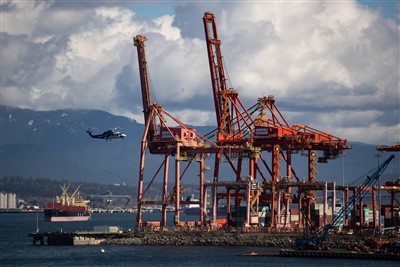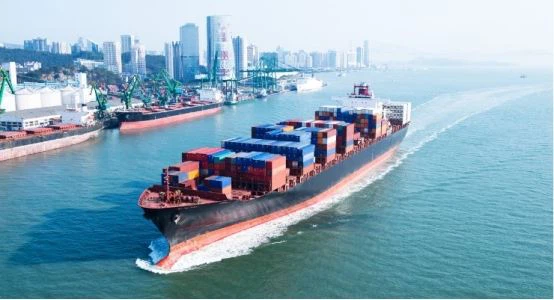


In recent years, the trade relationship between China and Australia has remained one of the most dynamic in the Asia-Pacific region. China continues to be Australia's largest trading partner, with two-way trade exceeding AUD 280 billion in recent years. This robust economic link is driven by strong import and export activities across key industries such as manufacturing, electronics, construction materials, and consumer goods.
As global logistics evolves, sea freight plays a pivotal role in maintaining this trade flow. For businesses sourcing goods from China, Melbourne stands out as a key entry point-offering modern port infrastructure, efficient customs systems, and a strategic gateway to southern Australia's industrial and retail hubs.
At Zhejiang Wilson Supply Chain Management Co., Ltd., we combine more than a decade of logistics experience with an extensive international network to provide efficient, reliable, and cost-optimized sea freight solutions from China to Melbourne.

Major Ports for Shipping from China to Melbourne
China's comprehensive port network enables direct or transshipment services to Melbourne. The following ports are among the most frequently used for cargo bound for southern Australia:
- Shanghai Port – The world's busiest container port and a major hub for electronics, consumer goods, and industrial products.
- Shenzhen Port – Known for fast customs clearance and strong connections to manufacturers in South China.
- Guangzhou (Nansha) Port – Ideal for bulk shipments and diverse product categories.
- Ningbo-Zhoushan Port – Offers competitive rates and regular sailings to Australia; also home to our headquarters, providing operational efficiency.
- Qingdao Port – Preferred for northern exporters with stable services to Australia's east coast.
On the Australian side, Port of Melbourne-Australia's largest container and general cargo port-serves as the primary gateway for goods imported from China. It offers world-class logistics infrastructure, advanced handling technology, and reliable rail and road connectivity to Victoria and beyond.
Why Choose Sea Freight to Melbourne
Sea freight remains the most economical and scalable solution for large or heavy shipments. Compared with air freight, ocean shipping can reduce costs by up to 60%, making it ideal for bulk goods, non-urgent cargo, and long-term supply chain planning.
Key reasons to choose sea freight to Melbourne:
- Cost Efficiency – Ideal for medium-to-large shipments where cost savings are a priority.
- High Capacity – Suitable for everything from LCL (Less-than-Container Load) to FCL (Full-Container Load) and oversized cargo.
- Stable Transit Times – Regular weekly sailings from major Chinese ports ensure reliability and predictability.
- Sustainability – Lower carbon footprint compared to air freight, aligning with global green logistics goals.
- Comprehensive Service Options – Door-to-door, port-to-port, or DDP (Delivered Duty Paid) options for full convenience.

How Our Sea Shipping Service Works
At Wilson Supply Chain, we provide an end-to-end sea freight service designed to make your international shipping seamless, transparent, and compliant. Below is a step-by-step outline of our standard workflow, integrating global logistics best practices with our operational expertise.
Step 1: Consultation and Quotation
Our team analyzes your shipment requirements-cargo type, volume, destination, and timeline-to recommend the most suitable service type (FCL, LCL, or special container). We then provide a transparent quotation, detailing all costs upfront.
Step 2: Booking and Space Confirmation
Once confirmed, we secure your space with major carriers such as COSCO, MSC, MAERSK, HPL, and EMC. Our long-term partnerships ensure competitive rates and guaranteed space, even during peak seasons.
Step 3: Cargo Preparation and Export Customs
We assist in document preparation, including the commercial invoice, packing list, and bill of lading details. Our operations team coordinates pickup from your supplier's location or warehouse and arranges export customs clearance, ensuring compliance with China's export regulations.
Step 4: Container Stuffing and Port Handling
Depending on your cargo type, we arrange container loading (CY/CFS), inspection, and sealing. Our teams in Ningbo, Shanghai, and Shenzhen ensure that all cargo is safely stowed and ready for departure.
Step 5: Ocean Transit and Tracking
During ocean transit (typically 18–25 days), we provide real-time tracking through our digital logistics platform, keeping you informed of vessel position, ETA updates, and potential weather-related changes.
Step 6: Arrival and Destination Coordination
Upon arrival in Melbourne, our local partner office coordinates customs clearance, cargo handling, and delivery scheduling to ensure a smooth transition from port to warehouse.
Step 7: Delivery and Post-Service Support
We provide door-to-door delivery within Melbourne or across Australia. Our team follows up after delivery to confirm successful receipt and address any post-shipment needs, including claims or documentation.
Destination Customs Clearance Process in Melbourne
Australia has some of the most stringent import and biosecurity regulations in the world. With over a decade of experience in customs management, Wilson Supply Chain ensures your cargo clears customs efficiently and compliantly.
Step 1: Pre-Arrival Declaration
We submit all customs documents at least five days before vessel arrival to enable "container release upon landing." Required documents include the Bill of Lading, Commercial Invoice, Packing List, Certificate of Origin, and import permits if applicable.
Step 2: Customs and Biosecurity Inspection
The Australian Border Force (ABF) and Department of Agriculture, Fisheries and Forestry (DAFF) may inspect goods, especially those involving wood, food, or agricultural materials. Our compliance team ensures all fumigation and certification requirements are met.
Step 3: Duties, Taxes, and GST Payment
Most imports are subject to 10% GST on CIF value, plus applicable customs duties depending on the product category (generally 0–10%). Our licensed brokers calculate all taxes accurately to avoid under- or overpayment.
Step 4: Cargo Release and Delivery
Once customs clearance is approved, cargo is released for pickup or onward domestic transport. We handle trucking arrangements within Melbourne and nationwide delivery as part of our door-to-door solutions.
Step 5: Post-Clearance Documentation and Reporting
We provide all clients with a full documentation pack-customs release notice, duty receipts, and final delivery confirmation-to maintain full transparency and traceability.
Advantages of Our Sea Freight from China to Melbourne
Comprehensive End-to-End Logistics
From supplier pickup in China to final delivery in Melbourne, we manage the entire process-shipping, customs, and inland distribution-so our clients can focus on their business.
Extensive Global Partnerships
We maintain long-term partnerships with leading carriers (COSCO, MAERSK, MSC, HPL, EMC), ensuring reliable sailings, flexible space allocation, and competitive pricing year-round.
Compliance and Accreditation
As a certified FIATA, IATA, ISO, AEO, and NVOCC logistics provider, Wilson ensures full compliance with international and Australian import regulations, significantly reducing clearance risks.
Specialized Cargo Expertise
We handle all cargo types-general goods, oversized machinery, chemicals, and hazardous materials-with professional documentation, packaging, and handling solutions.
Advanced Digital Tracking System
Our proprietary logistics management software provides real-time visibility across every stage of your shipment, ensuring transparency and proactive updates.
Professional and Experienced Team
With an average of eight years of industry experience, our team provides personalized support, expert consultation, and rapid issue resolution for every shipment.
Strong Local Presence
With offices in Ningbo, Shanghai, Shenzhen, and Hong Kong-and trusted partners in Melbourne-our global-local network guarantees smooth coordination at both ends.

Cost & Time Estimates of Sea Freight from China to Melbourne
Shipping costs and transit times vary depending on container size, departure port, and service type (FCL, LCL, or express sea). Based on market averages and Wilson's carrier partnerships, the following table offers general reference data for 2025:
|
Service Type |
Estimated Cost (USD) |
Transit Time (Sea Voyage) |
Door-to-Door Time |
Best For |
|
FCL (20ft container) |
1,200 – 1,800 |
18 – 25 days |
30 – 40 days |
Medium-volume shipments, general goods |
|
FCL (40ft container) |
2,400 – 3,600 |
18 – 25 days |
30 – 40 days |
Large-volume or bulk cargo |
|
LCL (Less than Container Load) |
80 – 150 per CBM |
20 – 28 days |
35 – 45 days |
Small-to-medium shipments |
|
Fast Sea Service |
+20–30% above standard |
15 – 20 days |
25 – 35 days |
Time-sensitive cargo |
|
Door-to-Door DDP |
Based on quotation |
30 – 45 days |
35 – 50 days |
E-commerce & small business imports |
【Note】: Transit times may vary slightly based on weather conditions, customs processing, and port congestion. Prices listed are indicative and subject to change based on market fluctuations. For precise quotations and schedules, please contact our team today for an accurate quote tailored to your goods and a better offer! ( gm@wilson-cargo.com )

Sea Freight From China To Melbourne
Get in touch with our sea freight experts immediately to discuss your requirements and get a quick quote.
How We Help You Reduce Costs and Maintain Efficiency
Wilson Supply Chain minimizes your total logistics expenses through:
- Carrier Contracts & Rate Stability – Long-term agreements with COSCO, MSC, MAERSK, and EMC provide rate stability and guaranteed space.
- Optimized Container Utilization – We consolidate cargo efficiently to avoid unused volume in LCL shipments.
- Seasonal Rate Planning – By advising clients to book before peak seasons (Chinese New Year, Christmas), we help avoid 20–30% rate spikes.
- Digital Route Optimization – Our system recommends the most time- and cost-efficient sailing schedules.
- Integrated Customs & Delivery Services – Minimizing delays and handling multiple steps internally saves time and third-party costs.
Potential Causes of Shipping Delays
While sea freight to Melbourne is reliable, delays may occur due to:
- Port Congestion – Seasonal surges at Melbourne or Chinese ports.
- Weather Conditions – Typhoons and storms during the summer months.
- Customs Inspection Delays – Random or risk-based inspections by Australian Border Force.
- Incomplete Documentation – Errors in invoices or HS codes may delay release.
- Holiday Periods – Public holidays in China and Australia affecting port operations.
With proactive tracking, document review, and local coordination, Wilson mitigates these risks to ensure your shipments arrive on time.
What You Should Know About Sea Freight Costs
Understanding how sea freight costs are structured helps businesses plan better budgets. The total cost generally includes:
- Base Ocean Freight – The carrier's transportation fee, varying by route and container size.
- Origin Charges – Export documentation, terminal handling (THC), and container loading.
- Destination Charges – Port service, unloading, and handling at Melbourne Port.
- Customs Fees and Taxes – Duties, GST (10%), and brokerage fees.
- Inland Transport – Trucking or rail delivery from the port to final destination.
- Optional Add-ons – Insurance, storage, warehousing, fumigation, or re-labelling services.
At Wilson, all quotations are transparent-you receive a detailed cost breakdown before shipment, ensuring there are no hidden charges.
China–Australia Bilateral Trade Overview
Trade between China and Australia has grown significantly, with both countries maintaining strong export-import relationships.
- China's Exports to Australia: Machinery, electronics, textiles, furniture, automotive parts, chemicals, and construction materials.
- Australia's Exports to China: Minerals, agricultural products, wine, and dairy goods. Melbourne, as Australia's busiest container port, handles a large share of imports from China, serving as a distribution hub for Victoria, South Australia, and Tasmania.
Wilson Supply Chain leverages this established trade route to ensure efficient cargo flow and competitive freight solutions for importers in southern Australia.
Import Laws and Key Shipping Terms
To ensure compliance and a smooth import experience, importers should understand key Australian regulations and international logistics terms:
- Australian GST: A 10% Goods and Services Tax applied to most imported goods.
- Customs Duty: 0–10% depending on product type (electronics: 0–5%, apparel: 5–10%).
- Biosecurity Compliance: Strict quarantine rules for wooden packaging, food, and agricultural products.
- Incoterms: Defines buyer and seller responsibilities. Common terms include:
- FOB (Free on Board) – Seller delivers goods to the departure port; buyer handles freight and import clearance.
- CIF (Cost, Insurance, and Freight) – Seller covers freight and insurance until goods reach the destination port.
- DDP (Delivered Duty Paid) – Seller (or freight forwarder) handles all customs and delivery procedures to the buyer's door.
- HS Code (Harmonized System Code): Determines customs duty and compliance classification.
Wilson's experienced compliance team assists clients with HS code determination, document preparation, and customs declarations to ensure smooth clearance.
How to Source Products from China
Sourcing from China has never been easier, but success depends on working with reliable partners and understanding logistics implications.
Step 1 – Identify Reliable Suppliers
Use trusted B2B platforms such as Alibaba or attend trade fairs like the Canton Fair to find verified manufacturers.
Step 2 – Verify Supplier Credentials
Check certifications, production capacity, and export licenses. Wilson can assist with supplier verification upon request.
Step 3 – Negotiate Trade Terms
Decide Incoterms (FOB, CIF, or DDP) based on your logistics needs and budget.
Step 4 – Arrange Shipping and Customs
Once goods are ready, Wilson manages the full logistics chain-from factory pickup in China to final delivery in Melbourne.
Step 5 – Track and Receive Goods
Our digital platform allows real-time cargo tracking, ensuring complete visibility from supplier to warehouse.
FAQ
Q: 1. How long does shipping from China to Melbourne take?
A: Standard sea freight takes 18–25 days port-to-port, while door-to-door delivery averages 30–40 days.
Q: 2. What documents are required for importing to Australia?
A: Commercial Invoice, Packing List, Bill of Lading, Certificate of Origin, and Import Declaration are essential.
Q: 3. What are the main causes of customs delays in Melbourne?
A: Incomplete paperwork, undervalued cargo, or biosecurity inspections are common causes. Wilson minimizes these risks by pre-declaring and verifying all documents.
Q: 4. How does Wilson handle customs clearance in Australia?
A: Our local partners in Melbourne submit all documents before vessel arrival and manage customs, GST, and delivery arrangements efficiently.
Q: 5. Can I ship smaller cargo if I don't have a full container?
A: Yes. Our LCL (Less than Container Load) service consolidates your goods with other shipments to reduce costs.
Q: 6. What type of cargo can Wilson handle?
A: We handle all types-general goods, machinery, chemicals, oversized items, and hazardous cargo-with proper documentation and packaging.
Q: 7. How can I reduce my shipping costs?
A: Plan shipments in advance, use LCL for small volumes, and consult our team for optimized routes and seasonal rate management.
Q: 8. What happens if my goods are damaged or delayed?
A: Wilson provides cargo insurance and claim support. Our logistics team will coordinate with carriers and ensure compensation or re-shipment as appropriate.
Hot Tags: sea freight from china to melbourne, price, cheap, cost, quote, service, provide, forwarder, company, cargo shipping, freight delivery, roll on roll off roro freight shipping, Sea Freight from China To Somalia, Sea Freight from China To South Africa, trucking for freight shipping