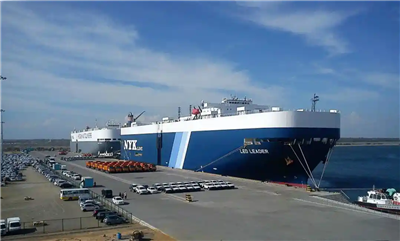
China and the United States have remained deeply connected through bilateral trade over the past decade, with China consistently ranking as one of the largest trading partners of the U.S. Despite global supply chain adjustments, demand for containerized cargo from China to the U.S. Gulf Coast continues to grow, driven by manufacturing, consumer goods, industrial equipment, chemicals, and automotive-related products.
As one of China's most important export hubs, Ningbo plays a vital role in supporting U.S. imports, while Houston serves as a strategic gateway to Texas and the broader southern and central U.S. markets. Sea freight from Ningbo to Houston has therefore become a preferred logistics solution for importers seeking cost efficiency, scalability, and reliable long-haul transportation.
Zhejiang Wilson Supply Chain Management Co., Ltd. provides professional and flexible sea freight services from Ningbo to Houston, supporting full container loads, consolidated cargo, special equipment, and project shipments with end-to-end coordination.
If you are planning shipments from China to Houston and need a reliable freight forwarder with strong origin capabilities, competitive carrier access, and compliance expertise, our team is ready to assist. Contact us today for a tailored shipping solution and accurate quotation.

Major Ports Involved in Shipping from China to Houston
Port of Ningbo-Zhoushan, China
Ningbo-Zhoushan Port is one of the world's busiest container ports and a core export gateway for eastern and central China. Its advanced infrastructure, high operational efficiency, and dense carrier network make it an ideal port of loading for U.S.-bound cargo. The port offers frequent sailings to North America, stable schedules, and strong connections with major global shipping lines.
Port of Houston, United States
The Port of Houston is one of the most important ports on the U.S. Gulf Coast and a major hub for international trade. It serves not only the Houston metropolitan area but also inland markets across Texas and neighboring states through extensive rail and trucking networks. Houston handles a wide range of containerized, bulk, breakbulk, and project cargo, making it suitable for diversified import needs from China.
The Ningbo–Houston route enables importers to access the U.S. market efficiently while benefiting from Houston's strong intermodal and distribution advantages.

Why Choose Sea Freight to Houston
Sea freight remains the most practical and cost-effective mode of transport for shipping goods from China to Houston, especially for medium to large volumes. Compared with air freight, ocean shipping offers significantly lower unit costs and greater flexibility in cargo types.
Key reasons to choose sea freight to Houston include:
- Cost efficiency for full container loads and bulk shipments
- Availability of multiple container types, including standard, high cube, reefer, open-top, and flat rack containers
- Capacity to handle oversized, heavy, chemical, and regulated cargo
- Stable schedules with weekly sailings from Ningbo
- Direct access to U.S. Gulf Coast distribution networks
For importers supplying Texas and central U.S. markets, Houston provides a strategic alternative to West Coast ports, helping reduce inland transportation distance and congestion risks.
How Our Sea Shipping Service Works
Our sea freight service from Ningbo to Houston is designed to provide clarity, control, and reliability at every stage of the shipment. By integrating origin operations, carrier coordination, documentation, and destination support, we ensure a smooth shipping experience from start to finish.
Step 1: Shipping Consultation and Cargo Assessment
We begin by reviewing your cargo details, including type, volume, weight, packaging, and delivery requirements. Based on this information, our logistics specialists recommend the most suitable shipping mode, container type, and routing.
Step 2: Carrier Selection and Schedule Planning
Leveraging long-term partnerships with major shipping lines, we secure stable space and competitive freight rates. We propose optimal sailing schedules and provide alternative options to balance cost and transit time.
Step 3: Export Documentation and Compliance
Our team prepares and verifies all required export documents, including commercial invoices, packing lists, bills of lading, and certificates when applicable. For regulated, chemical, or special cargo, we ensure full compliance with Chinese export regulations and carrier requirements.
Step 4: Origin Handling and Container Loading
We coordinate container pickup, stuffing, and port operations in Ningbo. For consolidated or special cargo, professional loading plans are applied to optimize space utilization and cargo safety.
Step 5: Ocean Transportation and Shipment Tracking
Once the vessel departs, we provide continuous shipment tracking and proactive status updates. Any schedule changes or potential disruptions are communicated promptly.
Step 6: Arrival Coordination and Destination Support
Prior to arrival in Houston, we assist with pre-alerts and coordinate with destination partners when required. This helps reduce delays and ensures smooth onward handling, customs clearance, or inland transportation if included in the service scope.

Advantages of Our Sea Freight from Ningbo to Houston
Our sea freight service is built on strong origin capabilities, compliance expertise, and long-term carrier relationships. Compared with standard forwarding services, we offer clear operational and strategic advantages:
Strong Ningbo Origin Expertise
Headquartered in Ningbo, we maintain direct control over port operations, documentation, and coordination, allowing faster response times and reduced communication gaps.
Reliable Carrier Access and Space Assurance
Through stable cooperation with leading global shipping lines, we secure consistent vessel space even during peak seasons, helping protect our clients from unexpected rollovers.
Comprehensive Cargo Capabilities
Beyond standard container shipments, we handle chemical cargo, dangerous goods, oversized equipment, and special container movements with dedicated procedures and trained staff.
Compliance-Driven Operations
With internationally recognized certifications and strong regulatory knowledge, we minimize customs risks and documentation errors that commonly cause delays or penalties.
Customized, Cost-Focused Solutions
Instead of one-size-fits-all pricing, we design shipment plans that balance cost, transit time, and operational reliability, helping clients control logistics expenses without sacrificing service quality.

Cost & Time Estimates of Sea Freight from Ningbo to Houston
Understanding shipping costs and transit times is essential for accurate budgeting and supply chain planning. While ocean freight rates fluctuate based on market conditions, cargo type, and seasonality, the following estimates provide a practical reference for shipments from Ningbo to Houston.
Estimated Sea Freight Costs
|
Container Type |
Estimated Ocean Freight Range (USD) |
|
20ft Standard Container (FCL) |
USD 2,800 – 4,200 |
|
40ft Standard Container (FCL) |
USD 3,200 – 4,800 |
|
40ft High Cube Container |
USD 3,300 – 5,000 |
|
LCL Cargo |
Calculated per CBM or per ton |
These estimates typically cover ocean freight only. Additional charges may apply depending on the shipment, including origin handling, documentation, customs clearance, destination charges, and inland transportation.
Estimated Transit Time
- Port-to-Port Transit Time: Approximately 35–45 days
- LCL Shipments: May require an additional 5–10 days due to consolidation and deconsolidation
- Peak Season or Transshipment Services: Transit time may extend slightly depending on carrier schedules
【Note】: Transit times may vary slightly based on weather conditions, customs processing, and port congestion. Prices listed are indicative and subject to change based on market fluctuations. For precise quotations and schedules, please contact our team today for an accurate quote tailored to your goods and a better offer! ( gm@wilson-cargo.com )

Sea Freight from Ningbo to Houston
Get in touch with our sea freight experts immediately to discuss your requirements and get a quick quote.
How We Help Reduce Costs and Ensure Reliable Transit
Zhejiang Wilson Supply Chain Management Co., Ltd. helps clients control shipping costs and improve schedule reliability through:
- Optimized container selection and cargo planning to avoid wasted space
- Flexible routing and carrier options based on market conditions
- Stable long-term contracts with major shipping lines to reduce peak-season volatility
- Accurate documentation and early pre-declaration to minimize port delays
- Advance planning and proactive communication throughout the shipment lifecycle
Common Factors That May Cause Delays
Despite careful planning, certain factors can affect transit time:
- Port congestion during peak seasons
- Carrier schedule adjustments or blank sailings
- Customs inspections due to incomplete or inconsistent documentation
- Special cargo requirements for chemical, dangerous, or oversized goods
- Weather-related disruptions along the shipping route
By addressing these risks early and maintaining close coordination with all parties, we significantly reduce the likelihood and impact of delays.
Bilateral Trade Between China and the United States
China and the United States maintain one of the world's largest bilateral trade relationships. Despite shifts in global sourcing strategies, demand for Chinese-manufactured goods in the U.S. remains strong, particularly in the southern and central regions served by the Port of Houston.
Major Chinese Exports to the United States
- Consumer goods and retail merchandise
- Industrial machinery and equipment
- Electronics and electrical components
- Automotive parts and accessories
- Chemicals and raw materials
Furniture, building materials, and home products
- Major U.S. Exports to China
- Agricultural products
- Energy-related commodities
- Industrial raw materials
- Specialized machinery and components
Houston's role as a logistics and energy hub makes it a critical entry point for China–U.S. trade, especially for importers distributing throughout Texas and neighboring states.
Import Regulations and Key Logistics Terminology
Importing goods from China to the United States requires compliance with U.S. customs and regulatory frameworks. Common legal and professional terms include:
- Importer of Record (IOR): The party legally responsible for customs clearance and duty payment
- HS Code: Harmonized System code used to classify goods for customs purposes
- Customs Bond: A financial guarantee required by U.S. Customs and Border Protection
- ISF (Importer Security Filing): Mandatory filing submitted before vessel departure
- Bill of Lading: Legal document serving as receipt, contract of carriage, and title document
- Incoterms: International commercial terms defining responsibilities between buyer and seller
Proper classification, valuation, and documentation are essential to avoid penalties, inspections, or shipment delays. Our experienced team supports clients by reviewing documentation and coordinating with customs professionals when required.
How to Source Goods from China
For importers new to sourcing from China, a structured approach helps reduce risk and improve efficiency:
1.Identify reliable manufacturers or suppliers based on product specialization
2.Verify supplier credentials, certifications, and production capacity
3.Negotiate pricing, Incoterms, and payment terms
4.Arrange quality inspections before shipment
5.Confirm packaging, labeling, and compliance requirements
6.Coordinate shipping schedules and documentation with a professional freight forwarder
As a Ningbo-based logistics provider, we work closely with exporters, manufacturers, and traders to ensure shipments are prepared correctly for international transport.
FAQ
Q1: How long does sea freight from Ningbo to Houston take?
A: Average port-to-port transit time is 35–45 days, depending on the carrier and routing.
Q2: Do you handle both FCL and LCL shipments?
A: Yes. We provide full container load and consolidated LCL services based on shipment size and requirements.
Q3: Can you assist with U.S. customs clearance in Houston?
A: We support customs coordination through experienced partners and ensure all documentation is prepared correctly in advance.
Q4: What documents are required to import goods into the U.S.?
A: Typically, a commercial invoice, packing list, bill of lading, HS codes, and ISF filing are required.
Q5: How do you handle chemical or regulated cargo?
A: We follow strict compliance procedures, including proper classification, MSDS review, and carrier approval for chemical and dangerous goods.
Q6: What causes most customs delays in Houston?
A: Common causes include incorrect HS codes, incomplete documentation, undervaluation, or random inspections.
Q7: Can you help reduce shipping costs during peak season?
A: Yes. Through early planning, flexible scheduling, and secured carrier space, we help minimize peak-season cost increases.
Q8: Do you provide shipment tracking and updates?
A: Yes. We offer continuous tracking and proactive status updates throughout the shipping process.
Hot Tags: sea freight from ningbo to houston, price, cheap, cost, quote, service, provide, forwarder, company