Shipping non-alcoholic beverages might look straightforward on paper, but in practice it quickly reveals hidden risks. Leakage, temperature swings, and customs confusion can turn a profitable shipment into an expensive headache. As a global freight forwarder[1] with years of experience moving beverages across continents, we've seen the same mistakes repeat. This guide breaks down what actually matters when shipping non-alcoholic drinks - from juices and sodas to dealcoholized beer and functional beverages.
What Non-Alcoholic Beverages Really Mean for Shipping
Non-alcoholic beverages are generally defined as drinks containing less than 0.5% ABV (alcohol by volume). Alcohol-free products go further, with 0.0% ABV. The distinction matters more than many shippers realize.
Common categories include:
- Juices and soft drinks (soda)
- Bottled water and flavored teas
- Energy drinks and functional beverages
- Dealcoholized beer and wine (brewed or fermented then alcohol removed)
- Carbonated options like ginger beer
Each type brings different shipping challenges. Carbonated drinks can build pressure and cause leaks. Fresh juices spoil faster and often need temperature control. Dealcoholized wines remain sensitive to heat even after alcohol removal. Even though these products avoid the heavy regulations that apply to real alcohol, some countries still scrutinize anything with trace alcohol. Getting the classification right from the start prevents delays and extra inspections.
The bottom line is simple: treat non-alcoholic beverages as liquids first, then adjust for their specific sensitivities.
Best Packaging Practices for Non-Alcoholic Beverages
Proper packaging decides whether your shipment arrives intact or becomes a claim. We recommend focusing on three goals: prevent leaks, stop movement, and protect against temperature changes.
Key materials that work well in real shipments:
- Strong corrugated cardboard boxes rated for the total weight
- Bubble wrap or air pillows for individual bottle protection
- Corrugated dividers to separate bottles or cans
- Sealed plastic bags as secondary containment
- Insulated liners or ice packs when temperature matters
Here's the practical sequence we use with clients:
- Choose the right box size - never leave large empty spaces.
- Wrap each bottle or can individually with bubble wrap.
- Place every item inside its own sealed plastic bag. This contains leaks if something goes wrong.
- Tape bottle caps in an "X" pattern to stop them loosening during transit.
- Insert dividers between glass bottles so they cannot knock together.
- Fill every gap with cushioning - bubble wrap, foam inserts, or packing peanuts.
- For higher-risk shipments, use double boxing: inner box plus a stronger outer box with extra padding.
Glass bottles need the most attention. Cans are tougher but still dent easily. Plastic bottles resist breakage yet can still leak at the cap. Carbonated drinks especially benefit from double-sealing caps and pressure-resistant packing.
Test your packaging with a small trial shipment before going full scale. A single failed test saves far more than fixing problems after hundreds of units are already en route.
Good packaging is not about spending the most money. It is about spending it on the right protections for the specific beverage you are moving.
Temperature Control and Cold Chain Requirements
Many non-alcoholic beverages are more temperature-sensitive than shippers expect. Fresh juices lose flavor and nutrients quickly in heat. Dealcoholized wines can develop off-tastes. Energy drinks and certain functional beverages also perform best when kept cool.
Basic options include insulated boxes with ice packs or phase-change materials. For larger or longer shipments, active temperature-controlled containers become necessary. Avoid shipping these products during peak summer heat without proper planning, and never leave them sitting on hot tarmac or in unconditioned warehouses.
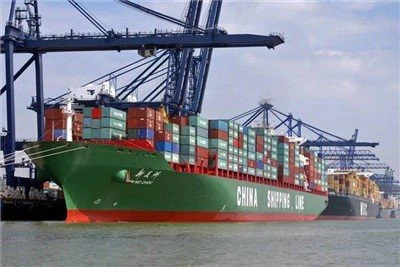
The decision usually comes down to shelf life, destination climate, and transit time. Short domestic routes often manage with passive cooling. International ocean or long airfreight legs usually justify investing in monitored cold chain.
Shipping Options: Domestic vs International
Choosing the right mode depends on volume, urgency, and budget. Here is a practical comparison we share with clients:
|
Transport Mode |
Best For |
Speed |
Cost Level |
Key Considerations |
|
Express (UPS/FedEx) |
Small batches, samples, e-commerce |
Fastest |
Higher |
Strict packaging rules, weight limits |
|
LTL / Truck |
Medium domestic volumes |
Medium |
Medium |
Good for pallets, less handling |
|
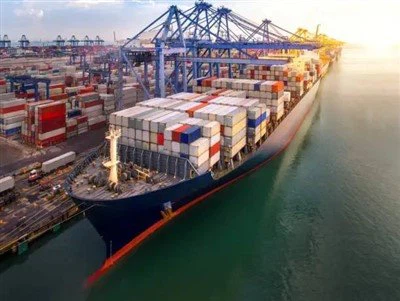
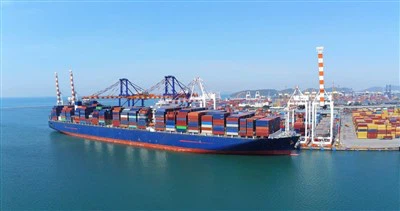
Ocean Freight |
Large international volumes |
Slowest |
Lowest |
Longer transit, needs strong packaging |
|
Air Freight |
Urgent or high-value shipments |
Fast |
Highest |
Weight and volume restrictions |
For domestic shipments within the US, UPS and FedEx handle non-alcoholic liquids well when packaged correctly. USPS works for smaller packages but strictly forbids boxes with any alcohol branding, even if the content is non-alcoholic.
International moves add layers. You must declare the shipment clearly as "non-alcoholic" on customs forms and list exact liquid volumes. Some markets, particularly in the Middle East or Asia, review trace-alcohol products more carefully. Temperature-controlled service becomes especially important on longer routes.

Regulations and Compliance Essentials
Non-alcoholic beverages fall under FDA oversight in the United States rather than TTB alcohol rules. Manufacturers usually need facility registration, and proper labeling remains critical.
Key labeling requirements:
- Clearly state "Contains less than 0.5% alcohol by volume" on non-alcoholic beer or similar products
- Include "Fragile", "Handle with Care", and "This Side Up" where appropriate
- Mark "Perishable" for juices and other sensitive drinks
For international shipments prepare:
Commercial invoice
- Detailed packing list (shipping manifest)
- Customs declaration showing the goods as non-alcoholic
- Certain destinations may still apply extra checks even below 0.5% ABV. Pressurized carbonated products sometimes require UN-certified containers. Adult signature requirements can appear on DTC shipments that look alcohol-adjacent.
The safest approach is to over-communicate the non-alcoholic nature rather than assume carriers and customs will figure it out.
Common Challenges and How to Overcome Them
Real shipments surface predictable problems. Leaks remain the most frequent claim, usually from loose caps or insufficient secondary containment. Glass breakage happens when dividers are skipped or boxes are under-packed. Temperature abuse ruins flavor in juices and dealcoholized wines. Customs holds occur when documentation is incomplete or the "non-alcoholic" declaration is missing.
Solutions that actually work:
- Always use the plastic bag + X-tape method for leak containment
- Double box high-value or glass-heavy shipments
- Verify destination regulations before booking
- Add cargo insurance tailored to beverage shipments
- Work with a freight forwarder who understands both liquid and temperature requirements
Choosing the right logistics partner makes the biggest difference. Internal teams often lack the carrier relationships and regulatory updates needed for consistent results.
Cost Optimization and Sustainable Logistics
Reducing cost does not mean cutting corners on protection. Consolidating shipments, optimizing routes, and using 3PL warehousing near production or target markets usually delivers better savings than simply picking the cheapest carrier.
Sustainability has moved from nice-to-have to expected. Lightweight yet strong packaging, consolidated ocean routes, and carbon tracking help brands meet buyer demands. Many of our clients now combine these elements into a single optimized supply chain rather than treating sustainability as a separate project.
Shipping Checklist for Non-Alcoholic Beverages
- Before you release any shipment, run through this list:
- Boxes are strong, correctly sized, and rated for the weight
- Every bottle or can is individually wrapped and placed in a sealed plastic bag
- Caps are taped in X pattern and dividers are in place
- All voids are fully filled with cushioning
- Labels include "Fragile", "This Side Up", and "Non-Alcoholic" where needed
- ABV statement is accurate on relevant products
- Commercial invoice and packing list clearly declare non-alcoholic beverages
- Destination-specific regulations have been checked
- Temperature control plan matches the product and route
- Insurance coverage is confirmed
Run a test shipment with your actual packaging whenever you introduce a new product or change suppliers.

Moving Forward with Confidence
Shipping non-alcoholic beverages successfully comes down to respecting the liquid, planning for its sensitivities, and staying ahead of documentation. Brands that treat logistics as part of product quality - not an afterthought - keep their customers happier and their margins healthier.
At Zhejiang Wilson Supply Chain Management Co., Ltd., we help beverage companies build reliable, efficient, and sustainable global networks. Whether you are shipping domestically or scaling internationally, our team can review your current process and suggest practical improvements.
Need help with a specific route, packaging review, or full supply chain setup? Reach out - we're happy to discuss your situation and provide a tailored proposal.