Sea shipping is one of the most cost-effective ways to move goods internationally, but it also comes with unavoidable risks. Long transit times, multiple handling points, and exposure to the marine environment all increase the chance of cargo damage or cargo loss.
Before discussing solutions, it is important to clearly understand what cargo damage and loss actually mean in sea freight, and why these problems occur so frequently. Having this basic awareness helps shippers respond faster and make better decisions when something goes wrong.
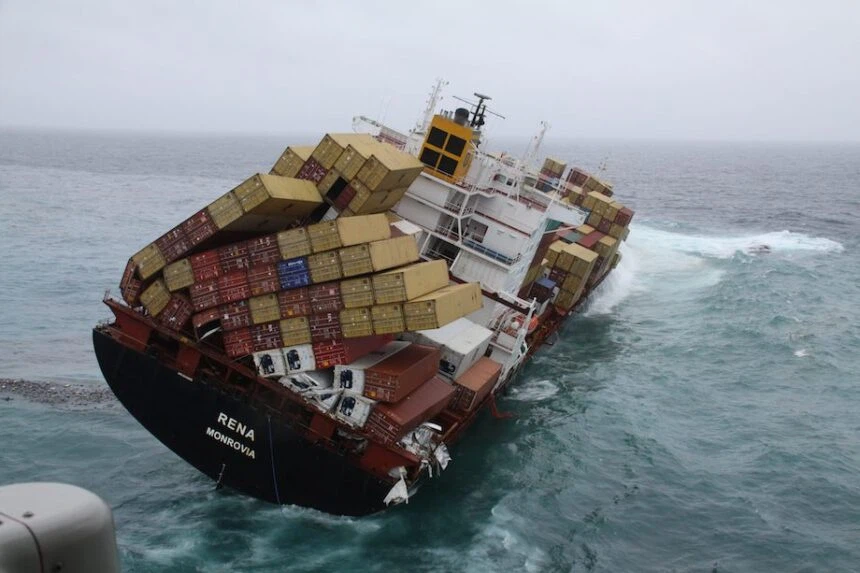
Common Types of Cargo Damage and Loss
Cargo issues during ocean transportation generally fall into several common categories. Understanding these types of cargo damage makes it easier to identify problems and take the right action.
Cargo Loss
Cargo loss occurs when goods never arrive at the destination. This can involve an entire container going missing or, in rare cases, containers being lost at sea due to accidents or extreme weather. Cargo loss at sea is often the most serious scenario, as recovery may be difficult and claims can take longer to resolve.
Cargo Shortage
Cargo shortage refers to situations where the shipment arrives, but the quantity is less than what was originally shipped. This may be caused by theft, misdelivery, or handling errors during loading, unloading, or transshipment.
Visible Cargo Damage
Visible cargo damage is damage that can be clearly seen at the time of delivery. Examples include crushed cartons, broken pallets, water-stained packaging, or goods that have shifted and collapsed inside the container. These issues should be noted immediately upon inspection.
Concealed Cargo Damage
Concealed damage is more difficult to detect. The cargo may look fine from the outside, but damage is discovered only after unpacking. This often happens with moisture damage, internal breakage, or temperature-related issues. Because the damage is not immediately obvious, concealed cargo damage requires careful documentation and timely reporting.
Common Causes of Damaged or Lost Cargo During Sea Shipping
There are many possible causes of cargo damage and loss in ocean freight, and they often result from a combination of factors rather than a single mistake.
One major cause is rough weather and sea conditions. Strong waves, heavy rolling, and vessel movements place constant stress on containers and cargo during the voyage. If goods are not properly packed and secured, damage becomes much more likely.
Improper packing and container loading is another common issue. Weak packaging, unsuitable pallets, or incorrect container selection can leave cargo vulnerable to pressure, vibration, and moisture. Poor loading practices, such as uneven weight distribution, also increase sea freight risk.
Inadequate cargo securing inside the container often leads to shifting during transit. Without proper blocking and bracing, goods may collide with each other or the container walls, resulting in visible or concealed damage.
Cargo is also exposed to port handling and transshipment risks. Containers may be lifted, stacked, moved, and transferred multiple times at different ports. Rough handling or operational mistakes during these stages can lead to damage or loss.
Documentation or weight declaration errors can cause serious problems as well. Incorrect cargo descriptions or misdeclared weights may result in improper stowage on the vessel, increasing the likelihood of accidents or container loss.
Finally, theft, misdelivery, or piracy remains a risk on certain trade lanes. High-value cargo is especially vulnerable if security measures are insufficient or routing information is mishandled.
What to Do Immediately If Cargo Is Damaged or Lost During Sea Shipping
When cargo damage or loss occurs, the actions taken in the first hours and days are critical. Knowing exactly what to do if cargo is damaged can make a significant difference to claim outcomes and financial recovery.
Inspect Cargo Upon Arrival and Record Any Damage
The first step is a cargo inspection as soon as the shipment arrives. Before signing any delivery documents, carefully check the container exterior, seals, packaging, and cargo condition.
If there are signs of damage, shortage, or tampering, note them immediately. A proper cargo damage inspection at this stage helps establish when and where the problem occurred.
Document the Damage or Loss with Photos and Videos
Strong cargo damage evidence is essential. Take clear photos and videos showing:
- The container condition
- Damaged packaging or goods
- Seal numbers and container numbers
- Any signs of water, impact, or shifting
This documentation should be done before goods are moved or unpacked further. For cargo loss documentation, record missing quantities and compare them with the packing list and bill of lading.
Do Not Sign a Clean Delivery Receipt If Issues Are Found
One of the most common mistakes is signing a clean delivery receipt despite visible problems.
If damage or shortage exists, make sure it is clearly noted on the delivery receipt. A clean signature may be interpreted as confirmation that the cargo arrived in good condition, which can seriously weaken a future claim related to delivery receipt cargo damage.
Notify Your Freight Forwarder and Carrier Immediately
Once damage or loss is identified, notify your freight forwarder and the carrier without delay. Early communication allows them to guide you on next steps, arrange inspections, and ensure that notice of loss sea freight requirements are met.
Timely notification is often a condition for preserving claim rights, so acting quickly is essential.

How to Protect Your Claim Rights After Cargo Damage or Loss
After the initial response, the focus should shift to protecting your cargo claim rights while avoiding unnecessary legal complexity.
Apply for a Marine Survey or Third-Party Inspection
A marine survey conducted by an independent surveyor provides an objective assessment of the damage. The resulting cargo survey report is a key document in sea freight damage claims, especially for high-value or disputed cases.
Mitigate Further Losses to the Damaged Cargo
Shippers are generally expected to take reasonable steps to mitigate cargo loss. This may include moving goods to dry storage, separating damaged items, or arranging temporary repairs.
Failing to prevent further damage may reduce the compensation available later.
Preserve All Evidence and Damaged Packaging
All damaged goods, packaging, and securing materials should be preserved whenever possible. This helps maintain a clear evidence chain and supports both carrier and insurance assessments. Properly preserved cargo evidence strengthens your position throughout the claim process.
Who Is Responsible for Damaged or Lost Cargo in Sea Freight?
Understanding responsibility helps set realistic expectations and reduces confusion when problems arise.
Carrier Liability Under International Sea Freight Rules
Carrier liability in sea freight is governed by international conventions such as the Hague Rules, Hague-Visby Rules, and COGSA. These rules generally limit the carrier's liability and allow exemptions in certain circumstances, such as severe weather or events beyond the carrier's control.
Because carrier liability sea freight is often capped, full compensation is not always guaranteed through the carrier alone.
Shipper, Freight Forwarder, and Insurance Responsibilities
The shipper is responsible for proper packing, accurate documentation, and correct cargo declarations.
The freight forwarder responsibility typically involves coordination, communication, and procedural support, helping shippers navigate inspections, documentation, and claims.
Insurance plays a critical role in covering risks that fall outside carrier liability.
Understanding these shared responsibilities helps shippers make informed decisions and reduces disputes when cargo damage or loss occurs.
How to File a Cargo Damage or Loss Claim in Sea Shipping
When cargo damage or loss occurs, many shippers feel unsure about the next steps. In reality, the cargo damage claim process follows a clear structure. Acting methodically and keeping records organized will greatly improve the chances of a successful outcome, whether the claim is submitted to the carrier, the insurer, or both.
Step 1 – Prepare Required Claim Documentation
Complete and accurate cargo damage claim documents form the foundation of any claim. Missing or inconsistent paperwork is one of the most common reasons claims are delayed or rejected.
In most sea freight cases, the following documents are required:
- Bill of Lading: This proves the contract of carriage and shows shipment details such as consignee, container number, and cargo description.
- Commercial Invoice: Used to confirm the value of the cargo and calculate compensation.
- Packing List: Helps verify quantities, weights, and packaging details, especially in cases of shortage or partial loss.
- Survey Report: Issued by a marine surveyor or independent inspector, this report provides an objective assessment of the damage or loss.
- Photos and Videos: Visual evidence taken during inspection strengthens the credibility of the claim.
- Claim Statement: A written summary describing what happened, the extent of damage or loss, and the compensation amount requested.
Keeping these documents consistent and well-organized makes the claim process smoother for all parties involved.
Step 2 – Submit the Claim to Carrier and/or Insurer
Once the documents are ready, the next step is to submit the cargo damage claim.
Depending on the situation, claims may be filed with:
- The ocean carrier (under the bill of lading terms), and/or
- The cargo insurance provider (if insurance coverage exists)
Each party may have different submission requirements and deadlines. Claims are usually sent by email or registered mail to ensure proof of submission. Clear communication at this stage helps avoid misunderstandings and unnecessary delays.
Step 3 – Follow Up and Monitor the Claim Progress
Submitting a claim is not the final step. Active cargo claim follow-up is often necessary.
Carriers and insurers may request additional information, clarification, or further inspection. Timely responses help keep the claim moving forward. In many cases, regular follow-up significantly shortens settlement time and prevents claims from being overlooked.

The Role of Cargo Insurance in Sea Freight Damage or Loss
Because carrier liability in sea shipping is limited, sea freight cargo insurance plays an important role in managing financial risk. It provides an additional layer of protection when unexpected events occur.
Is Cargo Insurance Mandatory in Sea Shipping?
Cargo insurance is generally not mandatory, but it is strongly recommended. Without insurance, recovery may be limited to the carrier's liability cap, which often does not reflect the true value of the goods.
For high-value, fragile, or time-sensitive cargo, relying solely on carrier liability can expose shippers to significant losses.
How Cargo Insurance Helps Recover Losses Faster
With marine cargo insurance, claims are usually handled more efficiently. Insurance can cover a wider range of risks, including theft, water damage, and total loss.
In many cases, insurers compensate the shipper first and then pursue recovery from responsible parties separately. This allows businesses to restore cash flow more quickly and reduce disruption.
How to Prevent Cargo Damage or Loss in Sea Shipping
While not all risks can be eliminated, many can be reduced through proper planning and preparation. Prevention is often far more cost-effective than handling claims after an incident.
Proper Packing, Labeling, and Container Selection
Strong, suitable packaging is the first line of defense. Cargo should be packed according to its nature, weight, and sensitivity to moisture or movement.
Correct container selection and clear labeling also help ensure cargo is handled and stowed properly throughout the journey.
Accurate Documentation and Weight Declaration
Errors in documentation or weight declaration can lead to improper stowage and increased sea freight risk. Accurate information allows carriers and terminals to plan loading safely, reducing the chance of accidents or container loss.
Choosing a Reliable and Experienced Freight Forwarder
An experienced freight forwarder understands common risk points and helps shippers avoid them. From packing advice to route planning, the right partner can significantly reduce the likelihood of cargo damage or loss.
How a Professional Freight Forwarder Helps You Handle Cargo Damage and Claims
When problems occur, having access to a professional freight forwarder makes a noticeable difference. Beyond arranging transport, a reliable forwarder provides practical support during difficult situations.
Coordinating with Carriers, Surveyors, and Insurers
A freight forwarder often acts as the communication bridge between all parties. Coordinating inspections, surveys, and claim submissions reduces confusion and keeps everyone aligned.
Managing Documentation and Claim Timelines
Claims involve strict timelines and detailed paperwork. A forwarder familiar with the process helps ensure documents are prepared correctly and submitted on time, reducing the risk of rejection.
Reducing Losses and Claim Risks for Shippers
Through experience and established procedures, a forwarder helps shippers avoid common mistakes, limit financial exposure, and resolve cargo issues more efficiently. This cargo damage handling service provides reassurance when unexpected situations arise.
FAQ
Can I claim cargo damage without insurance?
Yes, but compensation is usually limited to the carrier's liability rules, which may be much lower than the cargo's actual value.
How long does a cargo damage claim take?
Claim timelines vary. Simple cases may take a few weeks, while complex claims can take several months, depending on documentation and liability discussions.
What if the carrier denies responsibility?
If the carrier denies liability, insurance coverage or further negotiation may be required. Proper documentation and timely notice are critical in such cases.
What documents are required for a cargo damage claim?
Common documents include the bill of lading, commercial invoice, packing list, survey report, photos or videos, and a written claim statement.
About the Author
Wilson Supply Chain Management is an international freight forwarding company headquartered in Ningbo, China, with branch offices in Shanghai, Shenzhen, and Hong Kong. Since 2011, Wilson has supported global shippers with ocean freight and integrated logistics solutions, including cargo risk management and claim coordination. With practical experience handling cargo damage and loss cases across international trade lanes, the team helps clients reduce risk, protect cargo value, and keep shipments moving smoothly.
Contact Wilson Supply Chain Management to get professional support for safer and more reliable sea freight shipments.