Over the past few years, China has rapidly emerged as one of the world's most dynamic centers for used car exports. With a domestic vehicle ownership exceeding 400 million units, China's mature automotive ecosystem offers an abundant supply of high-quality, competitively priced vehicles that appeal to global importers and resellers.
China's used car market has grown in parallel with the country's industrial advancement. Most vehicles entering the secondary market are well-maintained, often originating from corporate fleets or private owners in major cities. These vehicles combine affordable pricing, stable supply, and consistent quality standards, positioning China as a strategic sourcing hub for second-hand vehicles.
Another driving force behind this trend is the rise of electric vehicle (EV) exports. As China leads the global EV revolution, a growing proportion of pre-owned electric cars-now accounting for over 70% of used vehicle exports-are being shipped to new markets eager to expand their green mobility infrastructure.
Today, importers from Africa, the Middle East, Southeast Asia, and Eastern Europe are increasingly turning to China to purchase cost-effective used cars and electric vehicles. These regions benefit from China's diverse inventory-ranging from compact sedans to SUVs, trucks, and EVs-combined with robust shipping infrastructure and professional freight forwarding services that simplify global distribution.
With government support, advanced logistics networks, and a broad supplier base, China has become not just a source of vehicles but a comprehensive ecosystem for international used car trading and export.
Overview of China's Used Car Export Policy and Market Environment
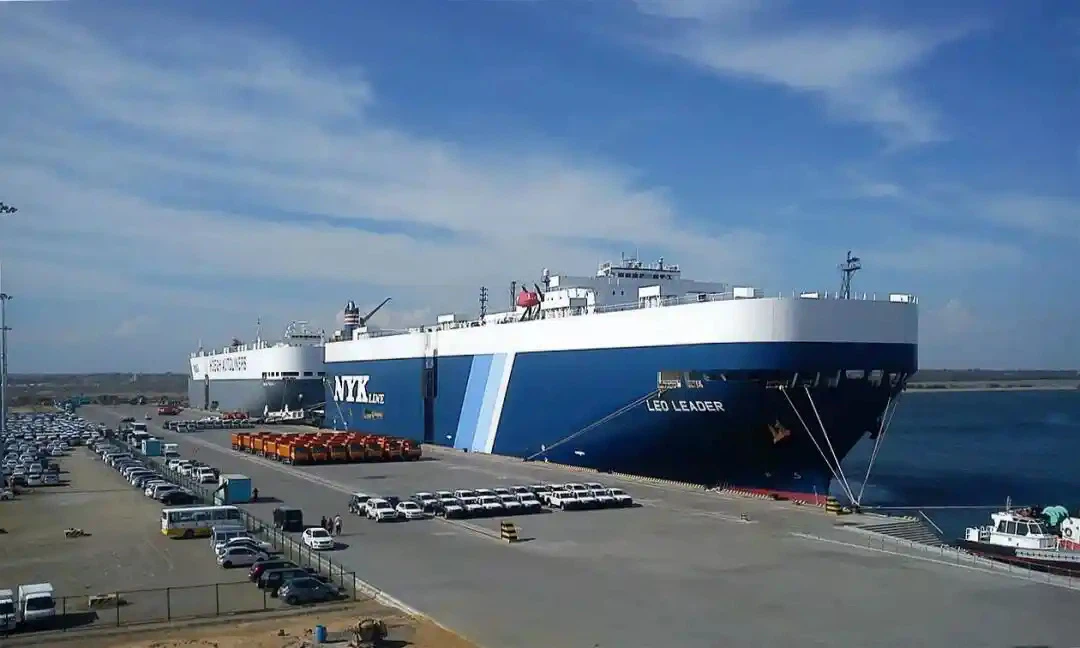
The foundation of China's modern used car export industry was established in 2019, when the Ministry of Commerce officially launched pilot programs in ten major regions, including Beijing, Shanghai, and Tianjin. This initiative marked the first step toward opening the sector to international buyers. By 2024, export qualifications were fully liberalized nationwide, allowing thousands of licensed enterprises to participate in global trade.
According to recent statistics, China's used car exports surpassed 400,000 units in 2024, with projections suggesting the number could reach 1 million units within the next two years. This exponential growth reflects both policy incentives and strong market demand.
Government support has played a decisive role in facilitating this development. Simplified customs clearance procedures, tax rebate programs, and the establishment of overseas bonded warehouses have significantly shortened export cycles and reduced operating costs. Furthermore, the government encourages integration across the supply chain-linking manufacturers, trading firms, logistics providers, and third-party inspection agencies-to build a standardized and transparent export ecosystem.
For international buyers, these policy improvements translate into a smoother, faster, and more secure import experience. Vehicles exported from China today are accompanied by standardized documentation, professional inspection reports, and verified ownership records, ensuring compliance with both Chinese export rules and destination country regulations.
Top Destination Markets for Chinese Used Cars
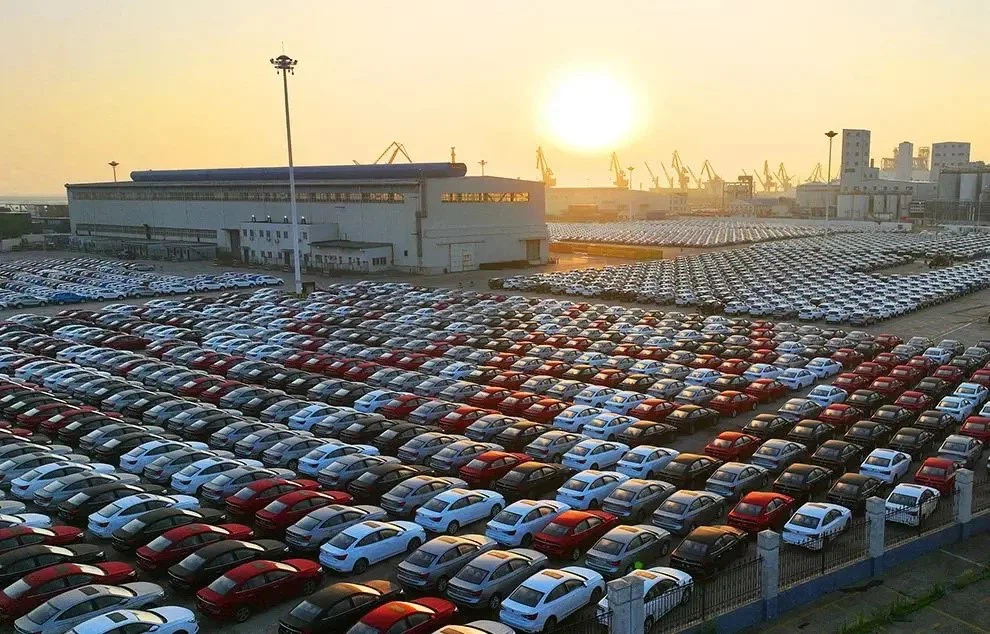
China's used car exports now reach more than 160 countries, with demand varying by region based on vehicle type, fuel preference, and regulatory environment. Below are the four primary destination clusters driving the majority of shipments:
1. Africa: Reliable Demand for Fuel Vehicles
Africa remains one of the largest and fastest-growing destinations for Chinese used cars. Countries such as Nigeria, Ghana, and Kenya import thousands of fuel-powered sedans, SUVs, and light trucks each year. With moderate import tariffs and a strong appetite for affordable, durable vehicles, Africa offers a stable, long-term market for both individual buyers and dealership networks.
2. Middle East: Preference for Premium Models and SUVs
Markets like the UAE and Saudi Arabia focus on higher-end models, luxury vehicles, and large SUVs. Many of these vehicles-originally designed for China's domestic market-are left-hand drive and require minimal modification before use in Middle Eastern countries. Strategic shipping routes from ports like Shanghai and Ningbo to Jebel Ali or Jeddah ensure cost-effective transit with short lead times.
3. Southeast Asia: Budget-Friendly Models and RHD Conversion
In Myanmar, Cambodia, and Laos, Chinese used cars are gaining traction among middle-income consumers. The market favors small sedans, hatchbacks, and light commercial vehicles. Many exporters also provide right-hand drive conversion services to meet local traffic regulations, making Chinese suppliers a preferred choice for affordable, adaptable imports.
4. Europe & CIS: New Energy Vehicles and Train Freight Advantages
The Russia, Poland, and Kazakhstan corridor represents a growing market for both internal combustion and electric vehicles. The China-Europe Railway provides a fast and cost-efficient alternative to sea transport, with an average transit time of 12–18 days. European importers also show increasing interest in Chinese EVs, attracted by their quality and technological sophistication.
These diverse regional demands highlight China's flexibility as a global vehicle source-offering everything from entry-level sedans for emerging markets to electric fleets for advanced economies.
Step-by-Step Guide: How to Export Used Cars from China
Exporting used cars from China involves a structured and transparent process designed to ensure compliance and quality at every stage. Below is a detailed breakdown of each step in the used car export process.
1. Vehicle Sourcing & Ownership Transfer
The process begins with sourcing legally registered vehicles that have clear ownership and no criminal or financial encumbrances. Exporters must obtain the Registration Certificate, Vehicle Invoice, and Organization Code Certificate before transferring ownership from the domestic seller to the exporting company. This registration process typically takes one to two business days.
2. Vehicle Inspection & Certification
Every used vehicle intended for export must pass an independent inspection by a certified third-party organization. The resulting Vehicle Inspection Report covers critical areas such as emissions, mechanical performance, safety systems, and VIN verification. Only vehicles meeting both Chinese and destination-country standards are approved for export.
3. Export License Application
Once the inspection is complete, exporters must apply for an Export License via the China International Trade Single Window platform. Required documents include the inspection report, purchase invoice, export contract, and ownership transfer records. Provincial commerce authorities typically review and issue the license within 3–15 working days.
4. Booking International Shipping
After securing the export permit, the logistics phase begins. Exporters choose between RoRo (Roll-on/Roll-off), Container Shipping, or China-Europe Railway Freight depending on vehicle type, destination, and budget. A reliable freight forwarder assists in booking space, arranging inland transport to port, and coordinating vessel schedules.
5. Customs Declaration & Export Clearance
For customs clearance, exporters must submit a Commercial Invoice, Packing List, Export License, and Bill of Lading. Customs officials verify all documentation and inspect vehicles to ensure conformity with declared details. Upon clearance, vehicles are released for loading and departure.
6. Overseas Delivery & Registration
Once the shipment arrives at the destination port, the importer (or the exporter's overseas partner) assists with import customs clearance, payment of duties and VAT, and local vehicle registration. Many professional logistics companies also provide door-to-door delivery and post-shipment support, ensuring a seamless end-to-end experience.
Through this standardized export procedure, buyers benefit from traceable documentation, reduced risk, and full compliance with both domestic and international trade regulations.
Shipping Methods from China: RoRo vs Container vs Train
Choosing the right transportation method is crucial for balancing cost, safety, and delivery time. China's logistics infrastructure supports several flexible options, each suited to different vehicle types and market needs.
1. RoRo (Roll-on/Roll-off) Shipping
RoRo shipping is the most cost-effective solution for large-volume vehicle exports. Cars are driven directly onto specialized vessels, securely parked, and transported without disassembly or extra packaging. This method is ideal for standard sedans, SUVs, and commercial vehicles destined for Africa or the Middle East.
- Advantages: Lower freight costs, faster loading and unloading.
- Limitations: Less protection from weather exposure and limited availability to certain ports.
2. Container Shipping
For high-value or classic vehicles, container shipping offers superior protection. Vehicles are securely lashed within 20ft or 40ft containers to prevent movement during transit. Exporters can also include spare parts or accessories within the same container.
- Advantages: Enhanced security, weather protection, and flexibility in mixed cargo shipments.
- Limitations: Higher cost and longer preparation time due to loading arrangements.
3. China-Europe Railway Freight
An increasingly popular choice for exports to Europe and Central Asia is the China-Europe Railway. This method provides the best compromise between time and cost, with transit times of 12–18 days, significantly faster than sea freight. It is particularly suited for electric vehicles and small batches headed to Europe or CIS countries.
|
Method |
Typical Destinations |
Avg. Cost (USD/Vehicle) |
Transit Time |
Ideal For |
|
RoRo |
Africa, Middle East |
1,000–1,800 |
25–40 days |
Mass shipments, SUVs |
|
Container |
Europe, Middle East, SE Asia |
2,000–4,000 |
20–35 days |
Luxury cars, EVs |
|
Rail |
Europe, CIS |
1,500–2,500 |
12–18 days |
EVs, small batches |
By partnering with a professional freight forwarder familiar with each route and shipping mode, exporters can minimize risk, optimize cost efficiency, and ensure timely delivery for every shipment.

Cost & Time Estimates for Used Car Shipping
Understanding the overall cost structure and delivery timeline is essential for anyone planning to ship used cars from China. Pricing can vary significantly depending on vehicle type, transportation mode, and destination. As an experienced freight forwarder, Zhejiang Wilson Supply Chain Management Co., Ltd. provides transparent, data-based estimates that help clients plan efficiently and avoid unexpected costs.
1. Cost Composition
A complete used car export budget typically includes the following key components:
Vehicle Price: The cost of purchasing the used car from a certified dealer or trading platform in China.
Domestic Preparation: Includes vehicle inspection, maintenance, cleaning, and documentation before shipment.
Freight Cost: Charges for sea freight (RoRo or container) or rail transportation to the destination port.
Port & Handling Fees: Loading, unloading, port maintenance, and storage fees at both origin and destination.
Customs & Insurance: Export declaration fees, import duties, VAT, and cargo insurance against potential transit damage.
2.Estimated Cost & Transit Time
|
Route |
Shipping Method |
Avg. Cost (USD/Vehicle) |
Transit Time |
|
China → Lagos (Nigeria) |
RoRo |
1,200–2,000 |
30–45 days |
|
China → Dubai (UAE) |
Container |
1,000–1,800 |
20–30 days |
|
China → Hamburg (Germany) |
Rail / Container |
1,800–3,000 |
25–35 days |
These estimates represent typical market averages and may fluctuate based on seasonal freight rates, fuel surcharges, and port congestion.
3. Cost Optimization Tips
Wilson helps clients minimize logistics expenses through several proven strategies:
- Shared Container (LCL) Solutions: Combine multiple vehicles or shipments to reduce per-unit costs.
- Off-Peak Scheduling: Select non-peak seasons or flexible departure times to access better freight rates.
- Advance Booking: Confirm vessel space early to avoid surcharges and ensure smooth loading.
- Route Optimization: Choose efficient trade corridors (e.g., Ningbo–Jebel Ali or Tianjin–Mombasa) for faster, cost-effective delivery.
By balancing cost and reliability, Wilson ensures clients achieve the best total logistics value without compromising safety or compliance.
Common Challenges and Risk Management
Shipping used cars across borders involves multiple moving parts-from policy updates to port operations-each introducing potential risks. Wilson's decade of experience in global freight forwarding allows us to anticipate and mitigate these issues effectively.
1. Policy & Regulatory Risks
Government policies, emission standards, or vehicle-age restrictions can change with little notice. Wilson continuously monitors export and import regulations in key markets to keep clients compliant and shipments uninterrupted.
2. Customs & Documentation Risks
Incomplete or inaccurate paperwork often leads to customs delays. Wilson's in-house customs experts ensure that every Commercial Invoice, Export License, and Bill of Lading is correctly issued and electronically pre-verified before submission.
3. Operational Risks
Port congestion, vessel schedule changes, or physical damage during loading can disrupt delivery timelines. To address these, Wilson implements:
- Professional vehicle lashing and reinforcement procedures to prevent movement and scratches.
- Comprehensive cargo insurance to cover loss or damage.
- Real-time GPS tracking for transparency throughout transit.
With a dedicated operations team and global partner network, Wilson maintains control over each stage of the logistics chain, minimizing downtime and uncertainty.
Best Practices for a Smooth Shipping Experience
Years of hands-on experience have shown that meticulous preparation and documentation are the keys to seamless car export. Whether shipping to Africa, the Middle East, or Southeast Asia, importers should follow these professional practices:
1.Verify All Documentation
Ensure the accuracy of your Invoice, Certificate of Origin, Export License, and Bill of Lading. Missing or inconsistent data can cause costly customs delays.
2.Understand Destination Country Regulations
Each market enforces unique rules regarding vehicle age, emission standards, and steering orientation (left-hand vs. right-hand drive). Wilson provides up-to-date import guidance for all major destinations.
3.Plan Shipping Timelines Strategically
Avoid peak shipping periods (such as Q4 for Middle East trade) to secure better rates and faster handling times.
4.Always Purchase Insurance
Transit insurance protects your investment against unpredictable risks. Wilson's logistics insurance options cover everything from minor dents to total loss, ensuring peace of mind throughout the journey.
By adhering to these best practices and working with a professional freight forwarder, importers can enjoy a smooth, transparent, and timely shipping experience from China to virtually any destination.

Why Choose Zhejiang Wilson Supply Chain Management Co., Ltd. for Used Car Shipping from China
Founded in 2011 and headquartered in Ningbo, Zhejiang Wilson Supply Chain Management Co., Ltd. is a trusted leader in global logistics and supply chain solutions. With branch offices in Shanghai, Shenzhen, and Hong Kong, we serve clients across Asia, the Middle East, Africa, and Europe.
Core Strengths in Used Car Logistics
End-to-End Expertise: From car sourcing and export documentation to booking, clearance, and door-to-door delivery.
- Regional Leadership: Extensive shipping experience to Saudi Arabia, Jordan, Ghana, and Cambodia, with dedicated handling procedures for each market.
- Vehicle Safety Reinforcement: Professional lashing, padding, and anti-vibration measures ensure zero-damage loading.
- Strong Partnerships: Long-term cooperation with major carriers including COSCO, CMA CGM, MSC, and HPL, guaranteeing stable vessel space and competitive freight rates.
- Port Advantage: Direct access to Shanghai, Ningbo, Tianjin, and Shenzhen ports for flexible routing options.
- Certified Compliance: FIATA, IATA, ISO, NVOCC, and AEO certifications ensuring top-tier customs and safety standards.
Whether shipping one car or an entire fleet, Wilson provides customized logistics solutions backed by technology-driven visibility tools and proactive client support.
Contact us today to discuss your project and receive a customized quotation for your used car shipping needs from China.
FAQ
1. Can individuals buy and export used cars from China?
Yes. Both individuals and licensed importers can purchase and export vehicles from China, provided all registration and export documents are correctly processed through a certified exporter.
2. What documents are required for car export from China?
The main documents include the Vehicle Registration Certificate, Sales Invoice, Export License, Commercial Invoice, Packing List, and Bill of Lading.
3. How long does it take to ship a car from China to Africa?
Typical transit times range from 30 to 45 days depending on the destination port and shipping method.
4. Is RoRo or container shipping better for my car?
RoRo is ideal for standard cars or bulk shipments, while container shipping offers greater protection for high-value or vintage vehicles.
5. What taxes and import duties apply at destination ports?
These vary by country and are usually calculated based on the CIF (Cost + Insurance + Freight) value of the vehicle. Wilson can help verify local duty rates before shipment.
6. How do I ensure my vehicle passes inspection?
Work with certified inspection agencies approved by Chinese authorities. Wilson assists clients in coordinating third-party inspections to guarantee compliance.
7. Can I ship multiple cars in one container?
Yes. A 40-foot container can usually fit two sedans or one SUV and one small car, depending on vehicle size and configuration.
8. How does Wilson assist with customs clearance and delivery?
Our in-house customs team handles documentation pre-verification, electronic declarations, and coordinates delivery to the final consignee, including inland trucking or door-to-door delivery.
Conclusion
The global used car export market is entering a new era-one where China leads through scale, technology, and sustainability. By 2026, exports are projected to surpass one million units annually, supported by favorable trade policies and rising international demand for electric vehicles.
The rapid expansion of EV exports, combined with the integration of digital logistics platforms and overseas warehouses, is transforming China's vehicle trade into a highly efficient global network. These innovations enhance traceability, reduce lead times, and offer importers a seamless purchasing and delivery experience.
At Zhejiang Wilson Supply Chain Management Co., Ltd., we are proud to be part of this transformation. Our mission is to deliver reliable, transparent, and cost-effective international car shipping solutions-empowering clients worldwide to access China's vast automotive resources with confidence and ease.
With a decade of proven experience, a global carrier network, and a commitment to precision logistics, Wilson remains your trusted partner for every step of the journey-from sourcing and export to customs clearance and final delivery.
Partner with Wilson today and experience the future of global used car logistics-efficient, secure, and built for growth.