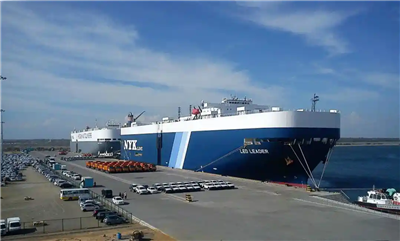
Trade between China and the United States has remained one of the most important pillars of global commerce over the past decade. Despite fluctuations caused by global economic cycles, supply chain adjustments, and trade policies, China continues to be a major export origin for consumer goods, industrial products, machinery, chemicals, and automotive-related cargo destined for the U.S. market.
In recent years, the U.S. East Coast has become an increasingly attractive destination for importers sourcing from China. Compared with West Coast gateways, East Coast ports offer closer proximity to major consumption centers, manufacturing hubs, and distribution networks across the Eastern and Southeastern United States. As a result, sea freight from China to the US East Coast has become a strategic choice for importers seeking balanced cost, capacity, and supply chain stability.
As an experienced global freight forwarder headquartered in China, Zhejiang Wilson Supply Chain Management Co., Ltd. provides reliable, flexible, and cost-effective sea freight solutions from major Chinese ports to key US East Coast gateways. Whether you are shipping full containers, consolidated cargo, oversized equipment, or special commodities, our team is ready to support your end-to-end logistics needs.
If you are planning shipments from China to the US East Coast and need a professional partner to manage cost, transit time, and compliance, contact us today to receive a tailored sea freight solution and competitive quotation.

Major Ports on the US East Coast
The US East Coast is home to several major international ports that handle a significant share of containerized imports from Asia. These ports are well connected to inland transportation networks and serve a wide range of industries.
Key US East Coast ports include:
● Port of New York and New Jersey
The largest port complex on the East Coast, serving the New York metropolitan area and acting as a primary gateway for the Northeast and Midwest regions.
● Port of Savannah, Georgia
One of the fastest-growing container ports in the United States, known for efficient operations and strong rail connectivity to the Southeast and Midwest.
● Port of Charleston, South Carolina
A major hub for automotive, manufacturing, and retail cargo, offering modern terminals and deep-water access.
● Port of Norfolk (Port of Virginia)
Strategically located with deep channels, advanced terminal infrastructure, and excellent intermodal connections.
Sea freight from China to these ports typically transits via the Panama Canal or alternative all-water routes, offering stable schedules for large-volume and long-term shipments.
Advantages of Sea Freight from China to the US East Coast
Sea freight remains the most widely used transportation mode for China–US trade, especially for shipments to the East Coast. Its key advantages include:
● Cost efficiency for medium and large volumes
Ocean freight offers the lowest cost per unit for bulk cargo, full container loads, and regular shipment programs compared with air freight or express services.
● High capacity and flexibility
Container vessels can accommodate a wide range of cargo types, including standard goods, project cargo, oversized equipment, refrigerated cargo, and dangerous goods.
● Stable supply chain planning
Although transit times are longer than air freight, sea freight provides predictable schedules that allow importers to plan inventory and distribution more effectively.
● Environmental considerations
Ocean transport produces lower carbon emissions per ton compared with air freight, making it a preferred option for companies focused on sustainability and long-term logistics efficiency.
For importers shipping to the US East Coast, sea freight offers a practical balance between cost, reliability, and scalability.

How Our Sea Shipping Service Works
At Zhejiang Wilson Supply Chain Management Co., Ltd., we manage sea freight shipments from China to the US East Coast through a structured and transparent service process designed to minimize risk, control cost, and ensure smooth delivery.
Our sea freight service process typically includes the following stages:
● Initial consultation and shipment assessment
We begin by understanding your cargo details, including commodity type, volume, weight, packaging, destination port, and delivery requirements. Based on this information, our team evaluates the most suitable shipping solution, whether FCL, LCL, or specialized container service.
● Route planning and carrier selection
Leveraging long-term partnerships with major ocean carriers such as COSCO, Maersk, MSC, Hapag-Lloyd, and Evergreen, we select optimal routes and sailing schedules to US East Coast ports. This allows us to balance transit time, cost, and space availability, especially during peak seasons.
● Booking and cargo preparation
Once the shipping plan is confirmed, we secure vessel space, coordinate container allocation, and guide shippers on cargo packing and labeling requirements. For LCL shipments, we arrange consolidation at certified container freight stations.
● Export documentation and customs clearance
Our experienced operations team prepares and reviews all required export documents, including the bill of lading, commercial invoice, packing list, and any special certificates. We ensure export customs clearance is completed accurately and on time before vessel departure.
● Ocean transportation and shipment monitoring
During transit, we provide shipment tracking and status updates through our logistics management system. Our team actively monitors vessel schedules and responds quickly to any changes that may affect transit time.
● Arrival coordination and destination services
Upon arrival at the US East Coast port, we coordinate import customs clearance, container release, and inland transportation if required. Door-to-door delivery, bonded transport, and warehouse distribution can be arranged through our trusted local partners.
By managing each step in-house and maintaining close coordination with carriers and agents, we ensure a smooth and controlled shipping experience from origin to destination.
Advantages of Our Sea Freight from China to the US East Coast
Strong Carrier Relationships and Space Security
Our long-term cooperation with leading global shipping lines enables us to secure stable vessel space and competitive rates, even during peak shipping seasons or market volatility.
Comprehensive Cargo Handling Capabilities
We handle a wide range of cargo types, including standard containers, LCL shipments, oversized and heavy equipment, chemical products, and dangerous goods. Our experience with complex cargo ensures compliance and safety throughout the transport process.
Professional Compliance and Customs Expertise
With NVOCC qualification, AEO certification, and a dedicated customs team, we help clients navigate export and import regulations efficiently, reducing the risk of delays, inspections, and penalties.
Experienced Operations Team
Our logistics professionals have an average of over eight years of industry experience. This expertise allows us to proactively identify potential risks and provide practical solutions tailored to each shipment.
Transparent Process and Shipment Visibility
Through our logistics management and tracking systems, clients receive clear shipment updates and documentation visibility, enabling better planning and control of their supply chain.

Cost & Time Estimates of Sea Freight from China to US East Coast
Shipping costs and transit times for sea freight from China to the US East Coast vary depending on cargo volume, container type, origin port, destination port, and market conditions. Below is a general reference table based on current industry practices.
Estimated Transit Time (Port-to-Port)
|
Route |
Typical Transit Time |
|
Shanghai / Ningbo → New York |
30–35 days |
|
Shenzhen / Guangzhou → Savannah |
32–38 days |
|
Shanghai → Charleston |
33–40 days |
|
South China → Norfolk |
35–42 days |
Door-to-door transit usually requires an additional 5–10 days, depending on customs clearance and inland transportation.
Estimated Sea Freight Cost Range (Reference Only)
|
Shipment Type |
Cost Range |
|
FCL 20ft Container |
USD 3,000 – 5,500 |
|
FCL 40ft Container |
USD 4,500 – 8,000 |
|
LCL (per CBM) |
USD 120 – 280 / CBM |
Rates fluctuate based on seasonality, carrier capacity, fuel surcharges, and port congestion. Final pricing is subject to quotation.
【Note】: Transit times may vary slightly based on weather conditions, customs processing, and port congestion. Prices listed are indicative and subject to change based on market fluctuations. For precise quotations and schedules, please contact our team today for an accurate quote tailored to your goods and a better offer! ( gm@wilson-cargo.com )

Sea Freight from China to US East Coast
Get in touch with our sea freight experts immediately to discuss your requirements and get a quick quote.
How We Help Reduce Cost and Ensure Transit Time
At Zhejiang Wilson Supply Chain Management Co., Ltd., we help clients control cost and maintain reliable transit times through:
- Early booking and vessel planning using stable carrier partnerships
- Route optimization based on origin port, sailing frequency, and destination congestion
- Proper shipment consolidation to avoid unnecessary LCL handling costs
- Accurate documentation and pre-clearance preparation to reduce delays
- Flexible container and service selection based on cargo characteristics
Common Factors That May Cause Delays
While sea freight is generally stable, delays may occur due to:
- Peak season congestion (Q3–Q4, pre-holiday periods, Chinese New Year)
- Port congestion or labor disruptions at origin or destination
- Customs inspections caused by documentation errors or compliance issues
- Severe weather conditions affecting vessel schedules
- Late cargo readiness or missed cut-off times
Our operations team actively monitors these risks and communicates proactively to minimize their impact.
Understanding the Cost Structure of Sea Freight
Sea freight costs are composed of multiple elements beyond the base ocean freight. Understanding these components helps importers budget more accurately and avoid unexpected charges.
Typical cost components include:
Ocean Freight
The base charge for transporting cargo by sea from origin port to destination port.
Fuel Surcharges (BAF)
Adjustments based on fluctuations in marine fuel prices.
Terminal Handling Charges (THC)
Fees charged by ports for container loading, unloading, and terminal operations at both origin and destination.
Documentation Fees
Charges for issuing bills of lading, export documents, and compliance filings.
Customs Clearance and Duties
Import duties, taxes, and brokerage fees payable to US Customs authorities.
AMS and ISF Filing Fees
Mandatory security filings required for US-bound shipments.
Inland Transportation
Trucking or rail costs if delivery beyond the port is required.
Import Regulations and Key Trade Terms for Shipping from China to the US
Importing goods from China to the US East Coast requires compliance with both international trade regulations and US customs requirements. Key concepts include:
Incoterms
Common terms such as FOB, CIF, and DDP define cost and responsibility allocation between buyer and seller.
HS Code
Harmonized System codes determine duty rates and regulatory requirements.
AMS (Automated Manifest System)
Required for all ocean shipments entering the United States and must be filed before vessel arrival.
ISF (Importer Security Filing, 10+2)
Must be submitted prior to vessel departure from China to avoid penalties and shipment holds.
Customs Bond
Required for formal entries to guarantee payment of duties and compliance.
Product-Specific Regulations
Certain goods may require FDA, FCC, or other regulatory approvals.
Wilson assists clients by reviewing documentation, advising on compliance requirements, and coordinating with licensed customs brokers to ensure smooth clearance.
Major Trade Commodities Between China and the US East Coast
China exports a wide range of goods to the US East Coast, supporting diverse industries across the region. Common cargo categories include:
- Consumer goods and household products
- Furniture and building materials
- Electronics and electrical equipment
- Automotive parts and machinery
- Industrial chemicals and raw materials
- Textiles, apparel, and footwear
The US East Coast, with its strong retail, manufacturing, and distribution infrastructure, relies heavily on consistent import flows from China. Sea freight plays a central role in supporting these long-term trade relationships.
FAQ
Q: How long does sea freight from China to the US East Coast take?
A: Typical port-to-port transit time ranges from 30 to 40 days, depending on route and carrier service.
Q: Is FCL or LCL better for US East Coast shipments?
A: FCL is generally more cost-effective and faster for shipments over 15 CBM, while LCL suits smaller volumes.
Q: What documents are required for US customs clearance?
A: Common documents include the bill of lading, commercial invoice, packing list, ISF filing, and customs bond.
Q: What causes customs delays at US East Coast ports?
A: Incomplete documentation, incorrect HS codes, missing ISF filings, or random inspections may cause delays.
Q: How does Wilson help with US customs clearance?
A: We coordinate with licensed customs brokers, ensure document accuracy, and prepare filings in advance to reduce clearance risks.
Q: Can you provide door-to-door sea freight services?
A: Yes. We offer port-to-port and door-to-door solutions, including inland trucking and warehouse coordination.
Q: How can I reduce sea freight costs?
A: Early booking, proper cargo consolidation, correct container selection, and clear documentation all help reduce costs.
Q: Do you handle special cargo or dangerous goods?
A: Yes. We have extensive experience handling chemical cargo, dangerous goods, oversized equipment, and special containers in compliance with international regulations.
Hot Tags: sea freight from china to us east coast, price, cheap, cost, quote, service, provide, forwarder, company