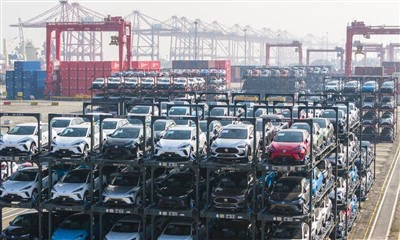
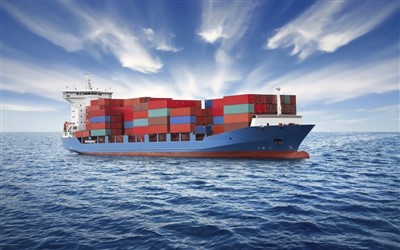
In recent years, the trade relationship between China and Kenya has grown stronger than ever. As one of Africa's fastest-developing economies, Kenya plays a central role in the Belt and Road Initiative, serving as a logistics hub for East Africa and neighboring inland countries such as Uganda, Rwanda, and South Sudan.
According to trade statistics, China has remained Kenya's largest trading partner and import source for several consecutive years, with bilateral trade volume growing by over 10% annually. The majority of imports from China to Kenya include machinery, electronics, construction materials, textiles, and consumer goods, while Kenya exports tea, coffee, flowers, and minerals to China.
Given this rapid growth in trade, sea freight has become the backbone of logistics between the two nations. Its unmatched balance of cost, capacity, and coverage makes it the most practical shipping solution for businesses seeking to expand their market presence in East Africa.

Main Seaports for Importing from China to Kenya
Kenya's maritime infrastructure is centered on two major ports: Mombasa and Lamu, both serving as key entry points for international trade and distribution to the broader East African region.
Port of Mombasa
The Port of Mombasa is Kenya's largest and busiest seaport, handling more than 85% of the country's maritime trade. Located on the southeastern coast along the Indian Ocean, it serves as the principal gateway for Kenya as well as for inland countries such as Uganda, Rwanda, and South Sudan.
- Infrastructure & Capacity: Mombasa Port features 16 modern berths and can accommodate vessels up to 65,000 DWT.
- Multimodal Connectivity: Through the Standard Gauge Railway (SGR), goods can be transported from Mombasa to Nairobi within 8 hours, enhancing inland distribution efficiency.
- Strategic Advantage: It's a mature logistics hub with comprehensive customs facilities, bonded warehouses, and multiple Chinese logistics enterprises operating in the area.
Port of Lamu
The newly developed Lamu Port is part of the LAPSSET (Lamu Port–South Sudan–Ethiopia Transport) Corridor Project, designed to complement Mombasa by easing congestion and providing alternative routes for northern Kenya and neighboring countries.
- Phase One: Includes one 1,200-meter berth and over 1.15 million m² of yard area.
- Long-term Potential: Planned expansion to 32 berths makes Lamu a promising logistics node for the future.
- Strategic Relevance: Especially suitable for project cargo, heavy equipment, and trade destined for Ethiopia and South Sudan.
For exporters in China, major ports such as Shanghai, Ningbo, Shenzhen, and Guangzhou serve as the main gateways for shipments to Kenya. These ports offer frequent weekly sailings and strong connections with global carriers like COSCO, MSC, Maersk, Hapag-Lloyd, and Evergreen, ensuring competitive rates and reliable schedules.
Why Choose Sea Freight to Kenya
Sea freight remains the most popular and cost-effective shipping solution for businesses trading between China and Kenya. Here's why:
- Cost Efficiency: Sea freight can save up to 60–70% of shipping costs compared with air freight, making it ideal for bulk or heavy goods.
- High Capacity: A single 40-foot container can hold up to 25 tons of cargo-perfect for machinery, building materials, and large-volume goods.
- Wide Accessibility: With direct and transshipment routes available from major Chinese ports, exporters enjoy flexible sailing schedules and stable freight options.
- Door-to-Door Flexibility: Sea freight can be seamlessly combined with trucking and railway services in both China and Kenya for complete door-to-door delivery.
- Sustainability: Ocean shipping offers the lowest carbon footprint among major transport modes, aligning with global trends in green logistics.
For companies balancing cost, capacity, and delivery reliability, sea freight from China to Kenya offers an unbeatable value proposition.

How Our Sea Shipping Service Works
At Zhejiang Wilson Supply Chain Management Co., Ltd., we provide end-to-end ocean freight services from China to Kenya. Our goal is to simplify the complex logistics process and ensure each shipment reaches its destination safely, on time, and cost-effectively.
Step 1: Consultation and Quotation
Our experienced logistics specialists assess your cargo details-dimensions, weight, commodity type, and destination-to design the most efficient route. We provide transparent quotes based on your requirements (FCL, LCL, or special container).
Step 2: Booking and Documentation
Once the quotation is approved, our team books space directly with our contracted carriers (COSCO, MSC, Maersk, HPL, EMC). We prepare and verify all export documents, including the commercial invoice, packing list, bill of lading, and certificate of origin, ensuring compliance with Chinese export and Kenyan import regulations.
Step 3: Cargo Handling and Export Clearance
Cargo is either collected from your factory or consolidated at our designated warehouse/CFS station. We conduct pre-export inspection and complete export customs declaration within five days before vessel departure to guarantee "ready for loading upon arrival."
Step 4: Sea Transportation
We monitor every stage of the ocean journey through our real-time tracking system, providing visibility on vessel movement and estimated time of arrival. Transit time typically ranges from 20 to 30 days from major Chinese ports to Mombasa.
Step 5: Arrival and Destination Handling
Upon arrival in Kenya, our local partners manage unloading, customs clearance, and documentation transfer. Clients receive continuous updates and can choose additional services such as warehousing or onward delivery.
Step 6: Final Delivery (Door-to-Door Option)
For clients opting for our DDP (Delivered Duty Paid) service, we handle all taxes, duties, and delivery arrangements directly to your door-removing all logistical stress from your side.
Destination Customs Clearance Process
Kenya's customs clearance procedures are known for their strict documentation and inspection requirements. To help importers avoid unnecessary delays, Wilson provides comprehensive destination customs services through our Kenyan agents and AEO-certified processes.
Step 1: Pre-Arrival Preparation
We prepare and pre-validate all necessary import documents before the vessel arrives:
- Commercial Invoice
- Packing List
- Bill of Lading (Original or Telex Release)
- Certificate of Origin (Form E for tariff preference)
- Certificate of Conformity (COC issued by SGS/BV)
- Import Declaration Form (IDF)
This pre-declaration ensures that customs inspection and tax evaluation begin immediately upon vessel arrival.
Step 2: Import Declaration and Customs Filing
Our local team submits the declaration via Kenya's SIMBA system, ensuring correct HS code classification and tax calculation according to the EAC Common External Tariff (CET) structure.
Step 3: Inspection and Tax Assessment
Depending on the risk level, shipments may be assigned to the Green Channel (no inspection), Yellow Channel (partial inspection), or Red Channel (full inspection). Wilson's experienced customs brokers handle any required inspections promptly to avoid demurrage.
Step 4: Duty and Tax Payment
We calculate and settle all applicable duties, including:
Customs Duty: 0–25% (depending on category)
VAT: 16%
Import Declaration Fee (IDF): 3.5% of CIF value
Railway Development Levy (RDL): 1.5% of CIF value
Our brokers ensure all payments are processed through authorized banks with official receipts.
Step 5: Cargo Release and Delivery
Once the cargo is cleared, we coordinate final release and arrange inland transport. Goods destined for Nairobi and nearby areas can be delivered via SGR rail service, reducing inland freight time and cost by up to 40%.
Through our comprehensive clearance and inland delivery support, clients enjoy a smooth, predictable, and fully transparent import experience into Kenya.

Advantages of Our Sea Freight from China to Kenya
Extensive Global Network
With offices in Ningbo, Shanghai, Shenzhen, and Hong Kong, and strong partnerships across Africa, Wilson ensures complete coordination across every stage of your shipment.
Guaranteed Space and Competitive Rates
Long-term cooperation with leading carriers (COSCO, MSC, HPL, MAERSK, EMC) allows us to secure space even during peak seasons and offer stable, cost-effective pricing.
Certified and Reliable Operations
We hold FIATA, IATA, AEO, ISO, and NVOCC certifications, ensuring professional handling, compliance, and reliability across international standards.
End-to-End Visibility
Our proprietary logistics tracking system provides real-time cargo visibility, shipment status updates, and proactive exception management.
Expert Handling of Special Cargo
From oversized equipment and automotive parts to chemicals and hazardous materials, our experienced team ensures compliance with IMDG and IATA safety standards.
Local Expertise in Kenya
Our Kenyan partners are licensed customs brokers familiar with local regulations, offering seamless clearance and efficient inland delivery through Mombasa and Lamu ports.
Customized Supply Chain Solutions
Beyond sea freight, we provide integrated supply chain services-procurement, customs brokerage, warehousing, and last-mile distribution-tailored to your business needs.
Customer-Oriented Service
Every client is assigned a dedicated account manager to provide timely updates, handle documentation, and resolve any logistics issues promptly.

Cost & Time Estimates of Sea Freight from China to Kenya
Shipping costs and transit times between China and Kenya vary depending on the shipment mode, cargo size, and seasonal market fluctuations. Based on recent market data and our operational experience, the following estimates can help importers plan logistics efficiently.
|
Shipping Mode |
Description |
Estimated Cost (USD) |
Average Transit Time |
|
LCL (Less than Container Load) |
Suitable for small shipments consolidated with other cargo |
$118–$135 per CBM |
25–35 days |
|
FCL (20-foot Container) |
Best for medium-sized cargo |
$1,600–$1,800 per container |
22–30 days |
|
FCL (40-foot Container) |
Ideal for large-volume shipments |
$1,900–$2,300 per container |
22–30 days |
|
Air Freight (1000kg+) |
Fast delivery for urgent goods |
$5.5–$7 per kg |
4–6 days |
|
Express Courier |
Small parcels and urgent orders |
$8–$15 per kg |
3–7 days |
【Note】: Transit times may vary slightly based on weather conditions, customs processing, and port congestion. Prices listed are indicative and subject to change based on market fluctuations. For precise quotations and schedules, please contact our team today for an accurate quote tailored to your goods and a better offer! ( gm@wilson-cargo.com )

Sea Freight From China To Kenya
Get in touch with our sea freight experts immediately to discuss your requirements and get a quick quote.
How We Help You Save Costs & Ensure On-Time Delivery
At Zhejiang Wilson Supply Chain Management Co., Ltd., our logistics specialists work closely with clients to optimize freight expenses without compromising reliability. We leverage direct contracts with leading carriers (COSCO, MSC, Maersk, EMC, HPL) to secure competitive rates, even during high-demand seasons.
- Flexible Routing: We select the most efficient departure port based on your supplier's location (e.g., Ningbo for East China, Shenzhen for South China) to minimize domestic transport costs.
- Consolidation Advantage: Small shipments can be combined via LCL to lower per-unit costs.
- Proactive Booking: Our team books space weeks in advance to avoid peak-season surcharges.
- Customs Pre-Declaration: Early filing of export and import documents reduces port waiting time and demurrage.
Factors That May Affect Transit Time
Despite our commitment to reliability, certain external factors can cause delays:
- Port Congestion: High traffic in Mombasa or transshipment hubs (e.g., Singapore, Colombo).
- Weather & Seasonal Conditions: Typhoons or monsoon disruptions on the Indian Ocean route.
- Customs Inspection: Random checks or documentation discrepancies may extend clearance time.
- Global Supply Chain Volatility: Fuel price changes, carrier schedule shifts, or geopolitical issues can influence sailing frequency.
By maintaining real-time shipment visibility and proactive communication, Wilson ensures clients are informed at every stage, minimizing any impact of such variables.
Major Ports in China and Kenya
Efficient port selection is key to successful logistics. The combination of China's world-class ports and Kenya's growing maritime infrastructure ensures strong connectivity for East African trade.
Major Chinese Ports for Exports to Kenya
Port of Shanghai
- Overview: The world's busiest container port and a major global logistics hub.
- Strengths: High-frequency routes to Mombasa; advanced automation systems for efficient loading.
- Annual Throughput: Over 47 million TEUs (2024).
- Advantage: Ideal for exporters in Eastern and Central China seeking stable vessel schedules.
Port of Ningbo-Zhoushan
- Overview: A leading international deep-water port known for its extensive connections to Africa.
- Strengths: Excellent for industrial and bulk shipments, located near many major manufacturing zones.
- Advantage: As Wilson's headquarters is in Ningbo, we offer priority handling and faster documentation for this port.
Port of Shenzhen
- Overview: Comprises Yantian, Shekou, and Chiwan terminals, handling South China's export volume.
- Strengths: Frequent direct services to Kenya and transshipment routes through Singapore.
- Advantage: Best suited for cargo from Guangdong, Fujian, and Hong Kong regions.
Port of Guangzhou (Nansha)
- Overview: Strategic location along the Pearl River Delta with convenient inland connections.
- Advantage: Cost-effective option for exporters in southern China.
Major Kenyan Ports for Imports from China
Port of Mombasa
- Overview: East Africa's largest and busiest port, handling over 30 million tons of cargo annually.
- Strengths: Equipped with 16 berths, modern container terminals, and bonded warehouses.
- Connectivity: Linked via Standard Gauge Railway (SGR) and major highways to Nairobi, Uganda, and Rwanda.
- Advantage: Preferred entry point for 90% of Kenya's imports and regional distribution.
Port of Lamu
- Overview: Kenya's emerging deep-sea port developed under the LAPSSET Corridor Project.
- Strengths: Designed to reduce Mombasa congestion and open trade corridors to Ethiopia and South Sudan.
- Potential: Project cargo hub and long-term regional logistics hub.
- Together, these ports provide unmatched trade infrastructure linking China's industrial powerhouse with East Africa's strategic markets.
China–Kenya Import & Export Overview
China to Kenya – Major Exports:
- Machinery and electrical equipment
- Construction materials (steel, cement, pipes)
- Consumer electronics and home appliances
- Garments, footwear, and textiles
- Furniture and plastic goods
- Automotive parts and accessories
Kenya to China – Major Exports:
- Agricultural products: tea, coffee, nuts, and horticultural flowers
- Minerals and raw materials (titanium, soda ash)
- Leather and animal products
This complementary trade relationship fuels continuous growth in sea freight demand, with Kenya benefiting from China's manufacturing capacity and China gaining access to Kenya's raw and agricultural resources. Wilson's strong logistics network bridges this connection, ensuring efficient trade flow between both nations.
Legal and Trade Terms for Importing from China
To ensure compliance and avoid shipment delays, importers should be familiar with key international trade terms and Kenyan import regulations:
- Incoterms: International Commercial Terms define responsibility for cost, risk, and insurance. Common terms include FOB (Free on Board), CIF (Cost, Insurance, and Freight), and DDP (Delivered Duty Paid).
- Certificate of Conformity (COC): Issued by accredited agencies (e.g., SGS, BV) to confirm products meet Kenyan Bureau of Standards (KEBS) requirements.
- Import Declaration Form (IDF): Must be filed prior to shipment arrival through the SIMBA system.
- EAC Tariff Classification: Customs duties under the East African Community (EAC) Common External Tariff (CET) range from 0–25% depending on product type.
- VAT (Value-Added Tax): Standard rate of 16% applies to most imported goods.
- Form E (Certificate of Origin): Allows eligible Chinese exports to enjoy reduced or zero tariffs under preferential trade arrangements.
- HS Code Classification: Accurate classification is crucial for correct duty assessment and avoiding customs disputes.
Wilson's certified customs experts ensure full compliance at every stage, assisting clients in document preparation, declaration accuracy, and pre-inspection coordination.
How to Source Products from China
For Kenyan importers and business owners, sourcing from China can be highly profitable-if approached strategically.
Step 1: Identify Reliable Suppliers
Use reputable B2B platforms like Alibaba, Made-in-China, or Global Sources, and verify company credentials before placing large orders.
Step 2: Evaluate Quality and Compliance
Request product samples, confirm COC eligibility, and ensure suppliers can provide all export documentation.
Step 3: Choose the Right Shipping Partner
Collaborate with a professional freight forwarder like Wilson, who can manage end-to-end logistics, from supplier pickup to door delivery in Kenya.
Step 4: Understand Total Landed Cost
Include shipping, customs duties, VAT, and local handling fees in your budget to avoid unexpected costs.
Step 5: Opt for Door-to-Door or DDP Shipping
For new importers, Wilson's DDP service simplifies the process-covering export clearance, sea freight, customs duties, and final delivery under one invoice.
By following these steps, importers can minimize risk, ensure product quality, and maintain predictable delivery timelines.
FAQ
Q: 1. How long does sea freight from China to Kenya take?
A: Transit time typically ranges from 22–30 days, depending on the departure port and vessel schedule.
Q: 2. What documents are required for importing goods into Kenya?
A: Essential documents include a Commercial Invoice, Packing List, Bill of Lading, Certificate of Origin, Import Declaration Form (IDF), and Certificate of Conformity (COC).
Q: 3. Can Wilson handle customs clearance in Kenya?
A: Yes. Through our certified local partners, we manage full import clearance, duty payments, and cargo release from Mombasa or Lamu ports.
Q: 4. What are the main causes of shipping delays?
A: Common reasons include port congestion, customs inspection, incomplete documents, or seasonal shipping surges.
Q: 5. Does Wilson offer door-to-door shipping to Nairobi or other cities?
A: Yes. Our DDP service covers door-to-door delivery via sea, SGR rail, and truck transport within Kenya.
Q: 6. What are the import taxes and duties in Kenya?
A: Import duties typically range from 0–25%, plus 16% VAT, 3.5% IDF, and 1.5% RDL. Wilson provides pre-estimates for your products before shipping.
Q: 7. Can I track my shipment in real time?
A: Yes. Wilson's digital tracking system provides real-time updates on shipment status from China to final destination.
Q: 8. How can Wilson help me reduce freight costs?
A: We consolidate shipments, select optimal routes, negotiate carrier rates, and minimize delays through pre-declaration and priority booking.
Q: 9. Do you handle special cargo or hazardous materials?
A: Yes. We are certified for chemical and hazardous cargo transport, ensuring compliance with IMDG and IATA standards.
Q: 10. Why should I choose Wilson over other freight forwarders?
A: Wilson combines global carrier partnerships, advanced logistics technology, and a professional AEO-certified team, providing a seamless, reliable, and transparent freight experience.
Hot Tags: sea freight from china to kenya, price, cheap, cost, quote, service, provide, forwarder, company